The defining Swabian one-pot: chunks of boiled beef and potato simmered with Spätzle in a clear, well-skimmed beef broth, the bowl crowned with onions fried dark in butter until sweet and almost burnt. It folds two Swabian staples — potatoes and Spätzle — into a single dish, which is why an older dialect name for it is Verheierte, 'the married couple.' Rib or shoulder beef gives both the meat and the broth. It is hearty rather than refined, eaten with a spoon, and tastes of beef, browned onion and butter.





A specialty of Stuttgart, named for the city district of Gaisburg. The most-repeated story sends 19th-century officer cadets marching out from their barracks to an inn in Gaisburg for a bowl of beef, potato and Spätzle stew — hence 'the Gaisburg march.' Local food historians treat this as legend: the dish itself, long known plainly as Kartoffelschnitz und Spätzle ('potato-bits and Spätzle'), is older, a thrifty way to combine leftover boiled beef with the two side-starches, while the catchy name 'Gaisburger Marsch' is documented only from around 1933, when it appears in connection with the era's communal one-pot Sundays. Gaisburg today marks the dish with its own summer festival.
A deep bowlful, somewhere between a soup and a stew. You get tender chunks of boiled beef, soft potato, and short ragged Spätzle, all sitting in a clear amber beef broth, with a heaped tangle of dark-fried onions melting on top. The broth carries the meatiness; the onions bring sweetness and a near-bitter edge; the Spätzle and potato make it filling. Eaten with a spoon, often with a sprinkle of chives or parsley.
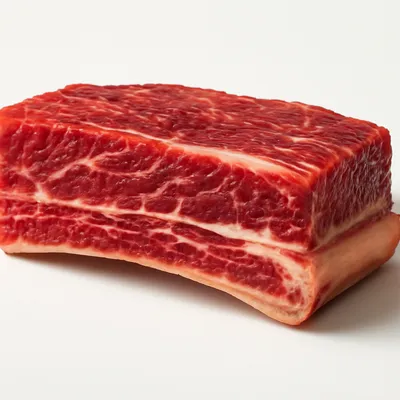
The dish is really three components built around one pot of broth. Tough but flavourful beef — short rib, shoulder or shin — is simmered slowly in water with root vegetables until both the meat is fork-tender and the liquid has turned into a real beef broth; skimming keeps it clear. The potatoes are cooked so they hold their shape rather than dissolving, and the Spätzle are boiled separately so their starch doesn't cloud the broth. Everything is assembled at the end and only briefly reheated together. The crowning onions are fried slowly in butter well past golden, to the dark, sweet, almost-scorched stage where the sugars have caramelised — that near-burnt edge is the point, not a mistake.
Variations
Recipes argue over whether the Spätzle go into the pot or are layered into the bowl; some cooks keep beef, potato and Spätzle strictly separate until serving. Many add a splash of the cooking broth's marrow or a little nutmeg. A leaner everyday version skips meat almost entirely and leans on the broth, closer to the original Kartoffelschnitz und Spätzle. Star chef Vincent Klink, a Stuttgart native, is known for championing a refined version of the dish.
On the Palate
Where Gaisburger Marsch sits in the German flavor cloud
Ingredients
Serves 4


How it's made
6 steps · 45 min
- 1150 min
Simmer beef (short rib or shoulder) in salted water with carrot, leek, celeriac and an onion half until fork-tender, skimming the foam to keep the broth clear, about 2 to 2.5 hours.
Watch outSkim the foam as the beef simmers — that's what keeps the broth clear rather than cloudy and grey.
- 215 min
Lift out the meat, strain the broth and season it; cut the beef into bite-sized chunks.
- 320 min
Boil potatoes in some of the broth until just tender but still holding shape; keep warm.
- 420 min
Make the Spätzle batter (flour, egg, salt, a little water), scrape it into boiling salted water in ragged shreds, and lift out once they float.
- 515 min
Fry sliced onions slowly in butter, past golden, to a dark, sweet, almost-scorched brown.
Watch outFry the onions slowly well past golden, to a dark sweet brown at the edge of scorching — that deep caramel is the crown of the dish, but a step too far and it turns bitter.
- 65 min
Combine beef, potato and Spätzle in warm bowls, ladle over the hot broth, crown with the dark onions and a scatter of chives.
Archive tool suggestions — not reviewed
These legacy suggestions have not been evidence-reviewed and are not presented as required tools.



