
Rwanda's everyday red kidney bean stew — beans slow-cooked with onion, leek, garlic, ginger, tomato, and a touch of salt into a thick, deeply-flavored, glossy red-brown stew. Served over rice, ubugali, or plantain. The Rwandan vegetarian dinner that's protein-rich, cheap, and gently spiced.






Ibiharage (Kinyarwanda for 'beans') is the universal Rwandan bean preparation. Red kidney beans (ibishyimbo) are grown in volcanic-soil home gardens across the country. The everyday Hutu farming household plate centers on ibiharage with ubugali or boiled plantain; the Tutsi pastoralist household typically adds milk and yogurt. The dish reflects deep agricultural roots — beans have been a Rwandan staple for over 500 years. Post-genocide Kigali has reclaimed ibiharage as a reconciliation cuisine — the dish that Hutu and Tutsi families historically shared, prepared the same way across ethnic lines.
Spoon up ibiharage onto rice — glossy red-brown beans, glossy with tomato-and-onion gravy, flecked with cilantro. Bite: the beans are creamy-tender (the slow cook has converted the starches), the gravy is rich-savory with a sweet-tomato base, ginger-and-chili warmth lifts the back. With rice or ubugali to soak it up, this is the Rwandan everyday plant-protein meal that fed grandparents and grandchildren alike.
The overnight soak rehydrates the beans and starts breaking down the oligosaccharides (gassy compounds) — drain-and-replace water removes them. The slow cook (40-50 min) converts the bean starches and softens the seed coat without making the beans mushy. Mashing some beans at the end releases starches that thicken the gravy naturally. The tomato-onion-ginger-curry combination is the universal Bantu sauce starter, adapted to Rwandan everyday cooking.
Variations
Ibiharage n'inyama adds 250 g cubed beef or chicken for a meat-and-beans version. Coconut ibiharage adds 100 ml coconut milk for a richer sauce. Black-bean ibiharage uses black beans for a different color and earthier flavor. Spicy ibiharage adds 2-3 bird's eye chilies and is the rural-northern-Rwanda style. Restaurant Kigali version finishes with a swirl of plain yogurt and chopped scallions.
On the Palate
Where Ibiharage sits in the Rwandan flavor cloud
Ingredients
Serves 4





How it's made
11 steps · 30 min active + 50 min waiting
- 1480 min
Soak 400 g dried red kidney beans overnight (8+ hours) in cold water with 1 tsp salt. Drain.
- 250 min
Boil beans in fresh water with 2 bay leaves 40-50 min until tender. Drain, reserving 300 ml cooking liquid.
Watch outBoil the beans just to fork-tender, not falling apart — you want them holding shape so the stew stays beany, not mushy.
- 311 min
In a heavy pot, heat 2 tbsp sunflower oil over medium heat. Sauté 1 large chopped onion + 1 chopped leek 8 min until soft.
- 42 min
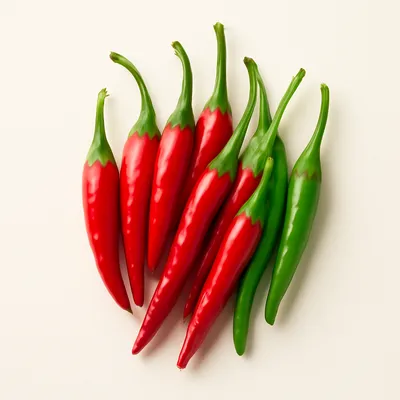
Add 4 minced garlic cloves + 1 tbsp grated ginger + 1 minced bird's eye chili; cook 1 min.
- 53 min
Add 1 tbsp tomato paste + 1 tsp paprika + 1 tsp salt + ½ tsp pepper + ½ tsp curry powder. Cook 2 min.
- 67 min
Add 2 chopped tomatoes; cook 6 min until thick.
Watch outCook the tomatoes down until the sauce turns thick and the oil starts to separate out — that's your base done; rush it and the stew tastes raw and watery.
- 72 min
Add the cooked beans + 250 ml reserved liquid; stir gently.
- 816 min
Cover; simmer on low 15 min, stirring once at the midpoint.
- 92 min
Mash a small portion of the beans against the pot side with a wooden spoon to thicken.
Watch outMash a spoonful of beans against the side of the pot — those released starches thicken the gravy naturally, no flour needed.
- 102 min
Taste; adjust salt. Stir in 1 tbsp lemon juice and a handful of chopped scallions.
- 113 min
Serve hot over rice, ubugali, or boiled plantain. Garnish with chopped cilantro.


