
Rwanda's vegetarian comfort dish — orange pumpkin and red kidney beans slow-simmered together with onion, leek, and a touch of salt into a thick, sweet-savory, golden-amber stew. Served with ubugali (cassava-flour porridge) or rice. The Rwandan rainy-season Sunday-night dinner.
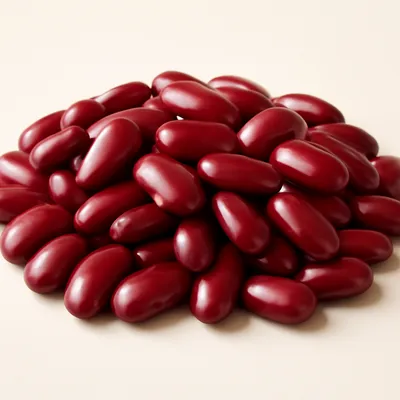




Ibihaza is the Kinyarwanda plural of igihaza, meaning simply 'pumpkins/squash' (not 'pumpkin-with-beans'); the name names the vegetable, and the dish of pumpkin stewed with red beans took the name by association. One of the oldest documented Rwandan dishes, predating the colonial-era introduction of new ingredients. Pumpkin grows abundantly in Rwanda's volcanic-soil gardens; red kidney beans are the ancient legume — Rwandans have the world's highest per-capita bean consumption (about 31 kg in 2023). The combination provides complete plant protein (beans) + carbohydrate (pumpkin) + minerals — a single-pot complete vegetarian meal that has fed Rwandan farming families for generations. Traditionally dried beans are soaked overnight then simmered with cubed pumpkin (sometimes with maize); in northern Rwanda peanut sauce is stirred in at the end. Post-1994 reconciliation cuisine often features this shared, everyone-eats-it dish on hospitality menus.
Spoon up ibihaza into a bowl alongside ubugali — golden-amber pumpkin chunks, dark-red kidney beans, glossy with leek-and-garlic broth. First bite: the pumpkin is sweet-tender (it has caramelized slightly during the simmer), the beans are creamy-earthy, the broth carries garlic-leek-onion savor with a touch of lemon brightness. Pinch off ubugali, dip, eat. The Rwandan plant-protein Sunday dinner that fed grandparents and grandchildren the same way.
Pumpkin and beans cook together because they have similar tenderness profiles — pumpkin softens in 15-20 min, beans need to be pre-cooked (40+ min). Cooking them in the same pot allows the pumpkin's sweetness and the beans' starchiness to mingle. Mashing a portion of the pumpkin against the pot thickens the broth (pumpkin pectin acts as a natural thickener). Acid (lemon) is added at the end to brighten and preserve the broth's clarity.
Variations
Ibihaza n'inyama adds 250 g cubed beef or goat for festive versions. Coconut ibihaza adds 100 ml coconut milk in the last 5 min — a modern fusion. Sweet-potato ibihaza substitutes sweet potato for half the pumpkin. Spicy ibihaza adds 2-3 chopped chilies. Hutu-farmer original is slightly more rustic, with field-ready beans and pumpkin from the home garden. Kigali-restaurant version finishes with chopped parsley and a drizzle of olive oil.
On the Palate
Where Ibihaza sits in the Rwandan flavor cloud
Ingredients
Serves 4



How it's made
11 steps · 25 min active + 55 min waiting
- 1480 min
Soak 300 g dried red kidney beans overnight (8+ hours) in cold water with 1 tsp salt. Drain.
- 250 min
Bring beans to a boil in fresh water with 2 bay leaves. Reduce heat; simmer covered 40-50 min until very tender. Drain, reserving 200 ml cooking liquid.
Watch outSimmer the beans until one crushes to a soft paste between your fingers with no chalky core — that's fully tender.
- 310 min
Peel and seed 800 g butternut squash or kabocha. Cut into 3-cm chunks.
- 411 min
In a heavy pot, heat 2 tbsp sunflower oil over medium heat. Sauté 2 chopped leeks (white and light-green parts) + 1 chopped onion 8 min until soft.
- 52 min
Add 3 minced garlic cloves; cook 1 min.
- 64 min
Add the pumpkin chunks + 1.5 tsp salt + ½ tsp pepper + 200 ml reserved bean liquid. Cover.
- 716 min
Simmer 15 min until the pumpkin is just-tender.
Watch outThe pumpkin is just-tender when a knife tip slides in with slight resistance — soft enough to eat but still holding its cube shape.
- 86 min
Add the cooked beans. Stir gently; cook 5 min more so the flavors meld.
- 92 min
Mash a small portion of the pumpkin against the pot side with a wooden spoon to thicken the broth.
Watch outAfter mashing a little pumpkin the broth turns cloudy-gold and thickens enough to cling to the back of the spoon.
- 102 min
Taste; adjust salt. Add 1 tbsp lemon juice and a handful of chopped scallions.
- 113 min
Serve hot in deep bowls over ubugali (cassava-flour fufu) or alongside rice.


