
Rwanda's universal cassava-flour porridge — cassava flour stirred into boiling water, cooked stiff and dense, the canvas for isombe, ibihaza, brochette gravy, or peanut sauce. Eaten with the right hand: pinch off, dip, eat. The Rwandan staple analogous to fufu, sadza, posho, and nshima across Bantu Africa.
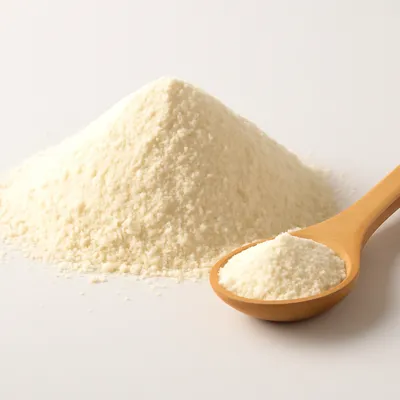


Ubugali (Kinyarwanda for 'porridge') is the Rwandan name for the Bantu starch staple that's also called fufu in West Africa and sadza-nshima-posho-ugali in eastern and southern Africa. Cassava arrived in Rwanda via Portuguese trade in the 17th century and quickly displaced sorghum as the staple grain in many regions. Rwandan ubugali is made from cassava flour (not maize like in much of the rest of the region), giving it a slightly tangier flavor than sadza or nshima. The right-hand-pinch-and-dip eating ritual is identical across the Bantu belt — practical, sanitary, and shared.
Pinch off a piece of warm ubugali with your right hand — bright-white, smooth-elastic, slightly tacky. Press a thumb-well into it, scoop up isombe (cassava-leaf-peanut stew) or ibihaza (pumpkin-bean stew). Bite: the ubugali is gently tangy from the cassava (less sweet than maize-based sadza), slightly elastic-chewy, the stew flavor floods the palate. Repeat. The Rwandan family meal that has not changed since cassava arrived 400 years ago.
Cassava flour is about 80% starch with very little protein (cassava is a near-pure starch staple). Boiling gelatinizes the starch into the stiff porridge structure. Cassava starch is actually lower in amylose (~17%) than corn starch (~28%) and correspondingly richer in amylopectin — which is why ubugali is more cohesive, stickier, more translucent and slower to retrograde (firm up) than maize-based sadza, giving it its soft, slightly tacky-elastic chew. Two-stage addition with vigorous stirring shears the swollen granules and develops the right consistency. The slight natural tang comes from the soaking/fermentation step of cassava-flour processing — fresh cassava's cyanogenic glucosides (mainly linamarin) must be removed by fermenting, soaking and sun-drying, and that fermentation leaves the flour faintly sour.
Variations
Maize ubugali uses cornmeal instead of cassava — closer to Tanzanian ugali. Mixed ubugali blends 50/50 cassava and maize flour. Sorghum ubugali (northern regions) uses sorghum flour for a deeper-earthier flavor. Soft ubugali (breakfast version) uses 2:1 water ratio. Plantain ubugali uses dried-and-powdered plantain flour — the Western Province specialty.
On the Palate
Where Ubugali sits in the Rwandan flavor cloud
Ingredients
Serves 4How it's made
8 steps · 22 min active + 3 min waiting
- 14 min
Bring 1 L water to a rolling boil in a heavy pot. Add ¾ tsp salt.
- 24 min
While whisking constantly, slowly stream 200 g cassava flour into the boiling water.
Watch outStream the cassava flour into the boiling water while whisking hard — add it dry-and-fast and it seizes into lumps.
- 35 min
Reduce heat to medium. Cook 4 min covered.
- 43 min
Add another 200 g cassava flour in a slow stream, stirring with a wooden stick.
- 59 min
Switch to vigorous stirring. Cook 8-10 min, working the dough against the pot side, until the ubugali is glossy, stiff, and pulls cleanly away.
Watch outSwitch to hard stirring and work the dough against the pot wall until it turns glossy and lifts off clean — this is what gives ubugali its stretchy chew.
- 61 min
Test: a piece should hold its shape when pinched between fingers — smooth, slightly elastic.
Watch outPinch a piece — it should hold its shape, smooth and slightly springy; still soft or sticky means keep working it.
- 72 min
Turn out onto a serving plate; shape into a smooth mound or dome with a wet wooden spoon.
- 81 min
Serve immediately, hot. Eat with the right hand alongside isombe, ibihaza, or brochette gravy.


