
Burundi's universal porridge — a 50/50 blend of cassava flour and maize meal cooked into a dense, slightly-elastic, mildly-tangy mound. The canvas for isombe, ndagala-fried-sardines, or mukeke. Eaten with the right hand: pinch, dip, eat. The Burundian staple shared with neighboring Rwanda but uniquely blended.
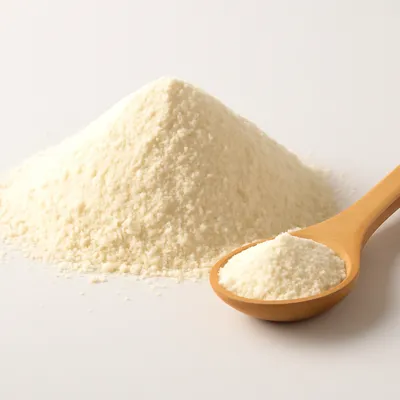


Mutsima is the Burundian variant of the Bantu starch staple — but where Rwanda uses pure cassava flour (ubugali) and Tanzania uses pure maize meal (ugali), Burundi traditionally blends the two. This reflects Burundi's geographic position: cassava-belt to the west, maize-belt to the east. The blended porridge has a more interesting texture (cassava's elasticity + maize's gentle grain) and flavor (slight cassava tang + corn sweetness). Every Burundian household makes mutsima 5-6 days a week.
Pinch off a piece of warm mutsima with your right hand — pale-cream, smooth-elastic, more interesting in texture than pure ubugali or sadza. Bite: gentle tang from the cassava balanced by the corn's slight sweetness, salt grounded, the dense-creamy texture carries the sauce. Scoop isombe (cassava-leaf-peanut stew) with it. The Burundian household table-meal that ages from grandparent's hand-mash to grandchild's spoon-pinch.
Blending cassava and maize flours combines two different starch-and-solids profiles. Cassava flour is almost pure starch (little protein or fat) and high in amylopectin (~75-85% of its starch), so it gelatinizes into a sticky, translucent, cohesive 'long' paste with elastic stretch; maize meal is milled with its germ and bran, carries corn protein and oil and slightly more amylose, and sets into a firmer, 'shorter', opaque mass with corn aroma and gentle sweetness. Together, the cassava fraction gives elasticity and cohesion while the maize fraction adds grainy body, flavor, and sweetness and tempers cassava's gumminess — a porridge denser and grainier than pure cassava, more elastic than pure maize. Two-stage addition with vigorous stirring fully gelatinizes the flours — the universal Bantu porridge technique, same as ubugali, sadza, nshima.
Variations
Pure cassava mutsima skips the maize for Rwandan-style ubugali. Pure maize mutsima skips the cassava for Tanzanian-style ugali. Sweet potato mutsima blends sweet potato flour for a sweeter version. Sorghum mutsima uses sorghum flour for the dry-region preparation. Plantain mutsima uses plantain flour — coastal-Burundi favorite. Soft mutsima (breakfast version) uses 2:1 water ratio.
On the Palate
Where Mutsima sits in the Burundian flavor cloud
Ingredients
Serves 4How it's made
8 steps · 25 min active + 5 min waiting
- 14 min
Bring 1.1 L water to a rolling boil in a heavy pot. Add 1 tsp salt.
- 24 min
While whisking constantly, slowly stream 100 g cassava flour + 100 g white maize meal (mixed together) into the boiling water.
Watch outStream the flour blend into hard-boiling water while whisking nonstop — any pause and it seizes into lumps you can't smooth out.
- 35 min
Reduce heat to medium. Cook 5 min covered.
- 43 min
Add another 100 g cassava flour + 100 g maize meal in a slow stream, stirring with a wooden stick.
- 510 min
Switch to vigorous stirring. Cook 10 min, working the dough against the pot side, until the mutsima is glossy and pulls cleanly away.
Watch outWork it hard against the pot until it turns glossy and peels cleanly off the sides — that clean pull means the starch is fully cooked and stretchy.
- 61 min
Test: pinch a small piece — it should be smooth, slightly elastic, with a gentle cassava-corn aroma.
- 72 min
Turn out onto a serving plate; shape into a smooth dome with a wet wooden spoon.
- 81 min
Serve immediately, hot. Eat with the right hand alongside isombe, ndagala, or mukeke.


