
Burundi's lakefront signature — a whole mukeke (Lates stappersii, a large latid perch of Lake Tanganyika, same genus as the Nile perch — or a large tilapia), scaled, gutted, scored, marinated briefly with garlic, salt, and lime, then grilled or pan-fried whole until the skin is crispy-mahogany and the flesh is just-cooked-flaky. Served with mutsima porridge, ifisashi-style greens, and a slice of lime. The Bujumbura beach restaurant classic.



Lake Tanganyika (the world's longest freshwater lake, ~660 km, and the second-deepest lake on Earth after Baikal — Africa's deepest) borders Burundi on the west, providing the country's signature ingredient: mukeke — the local name for Lates stappersii (sleek lates), a large freshwater perch of the genus Lates (the same genus as the Nile perch), prized for its firm, mild-flavored flesh. Bujumbura's lakeshore restaurants serve whole grilled mukeke as their headline dish, a legacy partly of French cuisine introduced under Belgian rule (Burundi was Belgian-administered until independence in 1962). The grilling-whole-fish technique is shared with Tanzania, Zambia, and the DRC; the Burundian preparation adds red palm oil and chili.
Tear off a piece of grilled mukeke at the score cuts — the skin is mahogany-charred and crispy, the flesh underneath is pearly-white, just-flaky, and steaming. First bite: clean freshwater fish flavor (mukeke is delicate, not muddy like some river fish), garlic-chili-lime marinade has penetrated the score cuts, the palm oil gives a tropical-earthy depth, the char adds smoky bitterness. Squeeze fresh lime, pinch off mutsima, take a bite of greens. The Bujumbura beach restaurant on a plate.
Scoring the fish serves three functions: helps marinade penetrate, allows the flesh to cook evenly (heat reaches the bone faster), and gives the eater visual portion lines. The 15-min marinade is short enough that the lime acid doesn't 'cook' the fish (ceviche-style) but long enough to flavor the surface. Pan-fry or grill at high heat creates a Maillard-browned skin crust (deep mahogany) while the flesh inside stays moist — the score cuts let steam escape without overcooking. Red palm oil adds carotenoid color and a distinctive nutty-tropical flavor.
Variations
Smoked mukeke is the inland-Burundi preservation version. Coconut mukeke pan-fries the fish in coconut oil for a tropical flavor. Curry mukeke is the Indian-Burundi influenced version with curry powder in the marinade. Fried mukeke (deep-fried whole) is the everyday street-vendor preparation. Banana-leaf-wrapped mukeke is grilled in a banana leaf parcel for moist-aromatic cooking.
On the Palate
Where Mukeke ya Tanganyika sits in the Burundian flavor cloud
Score the fish to the bone before marinating — the cuts let the marinade reach the flesh, help the thick body cook evenly to the bone, and let steam escape so the skin crisps to deep mahogany while the inside stays moist.
Ingredients
Serves 4


How it's made
10 steps · 30 min active + 15 min waiting
- 15 min
Acquire 1 whole mukeke or large tilapia (1.2-1.5 kg), scaled and gutted by the fishmonger. Pat dry inside and out.
- 23 min
Score the fish: make 3 diagonal cuts on each side, going through the skin to the bone — this helps marinade penetrate and the fish cook evenly.
Watch outCut cleanly through the skin all the way to the bone — shallow scores won't help the thick flesh cook through.
- 36 min
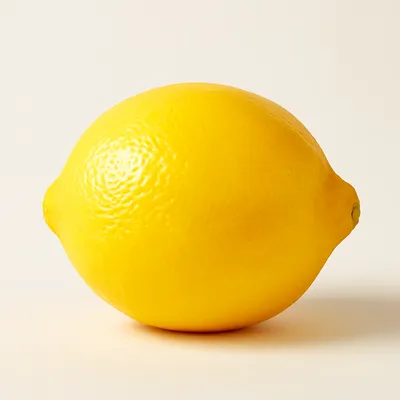
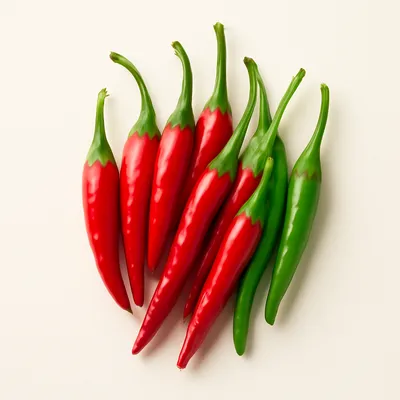
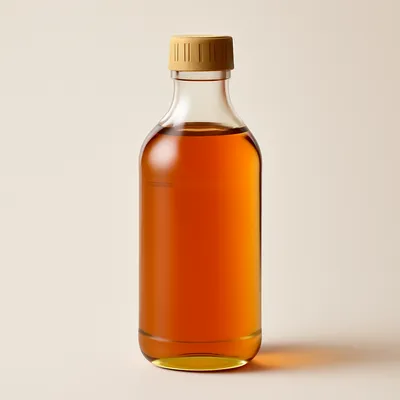
Make the marinade: mince 5 garlic cloves + 1 minced bird's eye chili. Combine with 2 tbsp lime juice + 1 tbsp grated ginger + 1.5 tsp salt + ½ tsp black pepper + 2 tbsp red palm oil (or sunflower oil + a pinch of paprika for color).
- 417 min
Rub the marinade all over the fish, inside the cavity, and into the score cuts. Place 3 lime slices inside the cavity. Rest 15 min.
- 54 min
Light a hot charcoal grill or heat a large heavy pan over medium-high. Brush with oil.
- 617 min
If grilling: lay the fish on the grill at 45° to the grates. Grill 8 min per side, turning carefully once, until the skin is deep-mahogany-charred.
Watch outWait until the skin is deep-mahogany-charred and releases easily before turning — if it sticks, it's not ready to flip.
- 713 min
If pan-frying: place the fish in the hot pan. Cook 6 min per side, basting with rendered oil.
- 81 min
Test for doneness: the flesh should flake easily at the score cuts and the eye should be opaque white.
Watch outIt's done when the flesh flakes easily at the score cuts and the eye has gone opaque white.
- 92 min
Carefully transfer to a serving platter. Drizzle with 1 tbsp lime juice and a sprinkle of chopped parsley.
- 102 min
Serve immediately with mutsima porridge, ifisashi greens, and a wedge of lime.


