
Sudan's celebration porridge — sorghum flour cooked into a thick, smooth, dome-shaped mound, with a depression at the top filled with hot melah (meat-and-okra stew, tomato stew, or yogurt sauce). Eaten from a communal platter with the right hand: pinch off porridge, dip in the well, eat. The Sudanese Friday family lunch and special-occasion centerpiece.
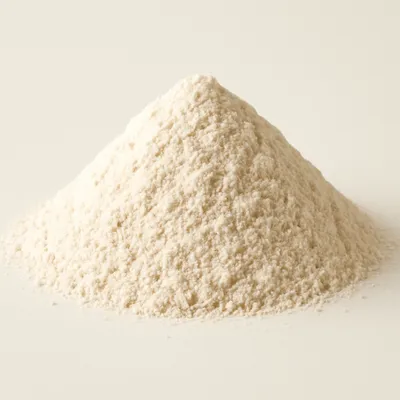


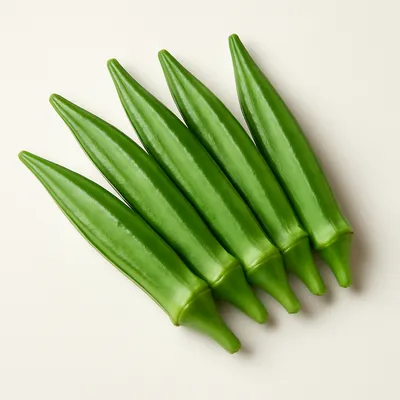


Asida is the Sudanese-Arabian aseeda — a wheat or sorghum porridge served with stew filling the depression. The dish is ancient, predating Islam (mentioned in pre-Islamic Arabic poetry), and is shared across the Arab world from Yemen to Tunisia. The Sudanese version uses sorghum (the local staple grain), while Yemeni and Tunisian versions use wheat. The dome-and-well presentation is fundamental — the cook builds a smooth mound with their wet hand, then presses a depression at the top with a wooden spoon, then fills it with the chosen melah. Eating is communal: family members sit around the platter and tear-and-dip in turns.
Pinch off a piece of warm asida from the dome — pale-tan, smooth, dense-but-yielding (like a soft polenta or stiff porridge). Press a thumb-well in your pinched piece, scoop melah from the central well — fragrant lamb-okra-tomato stew, glossy with oil. Bite: asida's gentle toasted-sorghum flavor mingles with the rich melah, the texture pairing is satisfying (dense porridge + chunky stew). Each pinch carries melah from the communal well to your mouth — the Sudanese family-meal in its essential form, almost unchanged for 5,000 years.
Asida technique is a two-stage starch hydration with vigorous mechanical action — the universal Bantu 与 Arab-Sahel porridge method. Sorghum has higher amylose content than wheat, giving asida its denser-elastic texture. The wet-hands-shaping technique is critical for the dome — dry hands stick to the hot porridge, wet hands slide. The central depression serves a functional purpose: it traps the melah's heat and lets the eaters access the stew without disturbing the dome's shape. Communal eating from the well is fundamentally social.
Variations
Mulah bamia asida is filled with the okra stew — most traditional Sudanese version. Yogurt-mulah asida is filled with a yogurt-and-greens sauce — Lenten version. Honey-asida (sweet version) replaces the melah with melted honey and ghee — celebration breakfast. Wheat asida uses wheat flour instead of sorghum (Yemeni and Egyptian style). Camel-milk asida cooks the porridge in camel milk for a richer version — pastoral Sudanese preparation.
On the Palate
Where Asida sits in the Sudanese flavor cloud
Ingredients
Serves 6
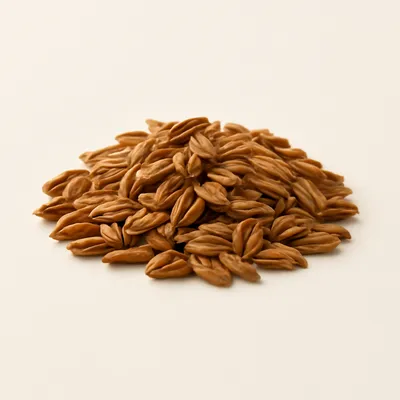





How it's made
13 steps · 35 min active + 10 min waiting
- 130 min
Make the melah filling: in a heavy pan, sauté 1 chopped onion + 4 minced garlic cloves + 2 chopped tomatoes + 250 g cubed lamb + 200 g sliced okra + 1 tsp cumin + 1 tsp paprika + ½ tsp turmeric + salt 30 min until thick. Set aside, keeping hot.
- 24 min
For the asida: bring 1.2 L water + 1 tsp salt to a rolling boil in a heavy pot.
- 33 min
While whisking constantly, slowly stream in 200 g sorghum flour. Whisk vigorously to prevent lumps.
- 43 min
Reduce heat to medium-low. Continue stirring with a wooden spoon for 3 min.
- 53 min
Add another 200 g sorghum flour in a slow stream while stirring vigorously with a wooden stick.
- 611 min
Continue stirring 10-12 min on low heat. The mixture will become very thick, glossy, and start pulling away from the pot sides. The asida should be smooth, with no lumps, and stiff enough to hold its shape.
Watch outKeep stirring hard until the mass turns glossy, comes together smooth with no lumps, and starts peeling away from the pot sides — that clean pull-away is the sign it's done.
- 71 min
Taste; the asida should taste of clean toasted sorghum with no raw-grain flavor.
- 81 min
Wet a large round serving plate with cold water (this prevents the asida from sticking).
- 94 min
Working quickly: turn the asida out onto the plate. Wet your hands with cold water and shape the asida into a smooth dome, smoothing the surface with wet hands.
Watch outWet your hands with cold water before you shape the hot dome — dry hands stick and tear it, wet hands slide right over to smooth the surface.
- 102 min
Press a deep depression at the top of the dome with a wooden spoon — about 6 cm wide and 4 cm deep.
Watch outPress a deep well into the top with the back of a spoon so it holds the stew and its heat — too shallow and the melah runs off the dome.
- 111 min
Pour the hot melah into the depression. The melah should fill the well and slightly overflow.
- 121 min
Garnish the melah with a sprinkle of chopped cilantro and a drizzle of sesame oil.
- 133 min
Serve immediately, hot. Family members sit around the platter and tear-and-dip with the right hand: pinch off asida from the side, dip into the melah well, eat.


