


Sudanese
Ful medames at every breakfast, kisra sorghum flatbread torn into mulah stews, aseeda for the family table, sharmout abeyad with date syrup — Sudanese cooking braids Nile Valley grains, Saharan camel-pastoralism, and Egyptian breakfast layers.
Ful Medames Sudani
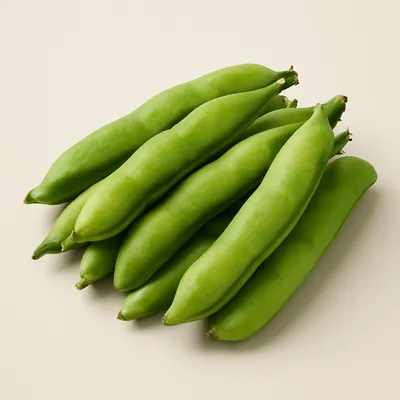
Sudan's national breakfast — fava beans slow-cooked overnight, lightly mashed, dressed with cumin, lemon juice, sesame oil, chopped tomato, onion, parsley, and fresh chili. Eaten with kisra (sorghum flatbread) or pita; the universal Khartoum street-cart breakfast.
View page →Sudan is the cuisine of the Nile Valley meeting the Sahel — built on sorghum (the national grain, fermented into kisra paper-thin flatbread and cooked into asida porridge), fava beans (ful medames is the universal breakfast), okra (mulah bamia stews), and dates. Arab-Nubian fusion at its most-developed; Sufi tea (shai with cardamom and ginger) is the social fabric; karkade (dried hibiscus) iced tea is the universal cooler in 45°C Khartoum heat. The cuisine reflects 5,000 years of Nile Valley civilization — many of the dishes have ancient Nubian and Egyptian roots. Northern Sudan tilts more Arab (rice, lamb, dates); southern regions blended into what is now South Sudan with sorghum, milk, and cattle. Modern Khartoum street food includes shaiyah (grilled lamb at Omdurman souk), ful medames carts open before dawn, and karkade vendors. Ta'amia (Sudanese fava-bean falafel, distinct from Egyptian and Levantine versions) is the everyday street snack.
The Palate
Start Here
Fava beans slow-cooked 6-8 hours, dressed with cumin, lemon, sesame oil, fresh tomato, onion, parsley, chili. The universal Khartoum street-cart breakfast.
Why start here · Sudan's national dish. 5,000 years of Nile Valley breakfast tradition in one bowl. The dish that fueled the pharaohs and still fuels modern Khartoum.
Sorghum flour fermented 36-48 hours, cooked on a hot griddle into transparent paper-thin discs. The Nubian-Kushite ancient bread tradition still served at every Sudanese breakfast.
Why start here · Sudan's signature bread. The 48-hour ferment creates the unmistakable tangy flavor; the paper-thin discs are so thin you can read newsprint through them.
Sliced okra slow-simmered with lamb, onion, tomato, peanut butter, cumin, coriander. The Sudanese household-staple Friday lunch where okra's slime is celebrated.
Why start here · The dish that demonstrates Sudan's distinct approach to okra. The slime carries the sauce; the peanut butter is the unique Sudanese signature.
The Pantry



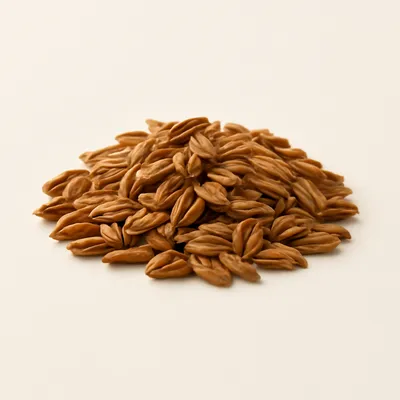




See all 40 ingredients›


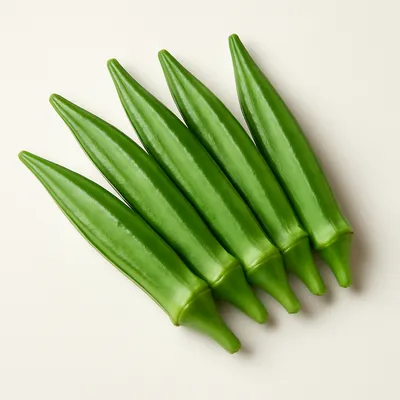

Fruits
Herbs & Spices




Grains & Staples



Dairy & Fats



Sauces & Condiments




On the Map
Where this cuisine is found
Regional Styles
Khartoum and Omdurman
The capital and its market-souk. Ful medames carts, shaiyah grills, karkade vendors. Modern Sudanese cuisine.
Nubia and the North
Ancient Nile-Valley heritage. Sorghum, dates, sesame, and the kisra-asida-mulah tradition that predates Islam.
Khartoum cafes
The cardamom-ginger tea culture and karkade hibiscus tea — the social glue of every Sudanese encounter.
How They Cook
Techniques that define this cuisine


