
Sudan's fava-bean falafel — split fava beans soaked overnight, ground with cilantro, parsley, garlic, onion, cumin, and coriander into a fine green paste, formed into small balls or patties, then deep-fried golden. Distinctly Sudanese — fava-only (not Egyptian-style mixed with chickpea), darker-green inside, and served with tahini sauce, fresh tomato salad, and pita. The Khartoum breakfast and street-snack staple.
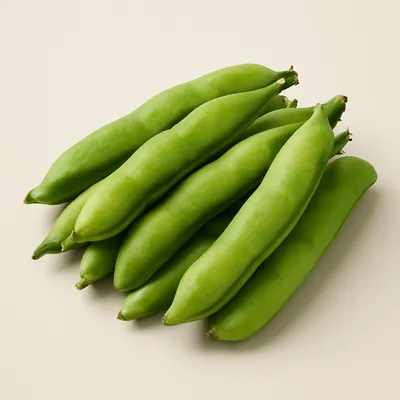


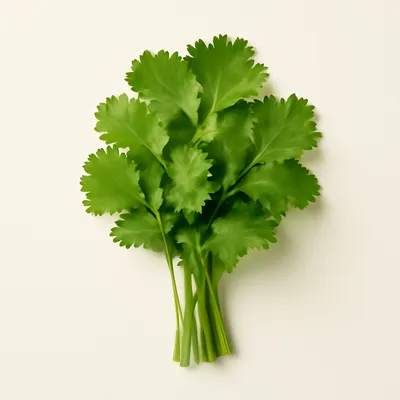

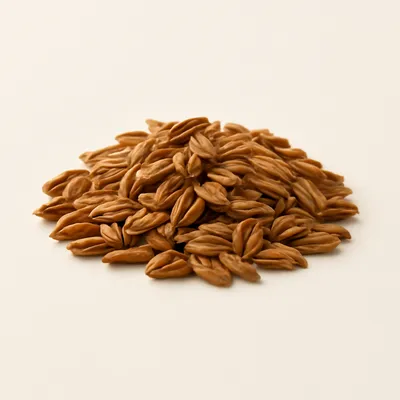
Ta'amia is the Sudanese name for what's called ta'amiya in Egypt and falafel in the Levant. The word ta'amiya is generally read as a diminutive of the Arabic ta'am ('food'), i.e. 'a little piece of food'; falafel is variously traced to the Arabic plural of filfil ('pepper') or to a Coptic phrase pha la phel ('of many beans'). The dish is usually traced to Egypt: a widely repeated tradition credits Coptic Christians, who are said to have created it roughly a millennium ago as a meatless food for the Lenten fast, though there is no clear record of it in ancient Egyptian texts and some scholars regard it as relatively modern, first attested after the 1882 British occupation. The Sudanese version is distinct: pure fava beans (not the Levantine chickpea-fava blend), more herbs (cilantro and parsley are central, often equal in volume to the beans), and a darker-green color inside. The Khartoum breakfast plate is ta'amia + ful medames + fresh tomato salad + kisra or pita — the Egyptian and Sudanese capitals share a deep breakfast culture but with regional differences.
Bite into a hot ta'amia — golden-crisp exterior gives way to a deep-green, fluffy, herb-flecked interior. First bite: the bean's earthy richness blooms first, then the cilantro-parsley fresh-green-grassiness, cumin and garlic warm the back, sesame seeds add a nutty crackle. Dip into tahini sauce for creamy-nutty richness. Pair with a bite of fresh tomato salad for cooling acidity. With pita or kisra to wrap, this is the Khartoum breakfast that's filled streets at 7 AM for centuries.
Using SOAKED-NOT-COOKED beans is the key to good ta'amia — cooked beans become mushy when fried, while soaked-and-ground beans retain enough texture for the fluffy interior. The herbs (cilantro and parsley) are central to Sudanese ta'amia — they're not just flavoring but a structural component, providing moisture and the signature green color. Baking powder provides leavening — CO2 expands when fried, making the interior fluffy. Frying at 175°C creates an instant crisp shell while keeping the interior moist; lower temp absorbs oil; higher burns outside before inside cooks.
Variations
Egyptian ta'amia uses split chickpeas + favas (50/50 mix) — less herby, paler color. Levantine falafel uses only chickpeas — different texture, more mediterranean flavor. Mini ta'amia (cocktail size) are for catering. Stuffed ta'amia (modern fancy) has a tahini-paste center. Vegan ta'amia is naturally vegan. Diaspora ta'amia is often made with frozen mix from Middle-Eastern grocery — faster but less herby.
On the Palate
Where Ta'amia Sudani sits in the Sudanese flavor cloud
Ingredients
Serves 6





How it's made
12 steps · 40 min active + 14 hours 20 min waiting
- 1720 min
Soak 500 g split dried fava beans in cold water overnight (12+ hours) — do NOT use canned or cooked beans. The beans must be raw-soaked for the right texture.
Watch outUse raw soaked favas only, never canned or cooked — cooked beans go mushy in the fryer and you lose the fluffy inside.
- 24 min
Drain the beans completely.
- 37 min
In a food processor, combine the soaked beans + 1 large chopped onion + 5 garlic cloves + 1 cup fresh cilantro + 1 cup fresh parsley + 1 tbsp ground cumin + 1.5 tsp ground coriander + 1 tsp paprika + 1 tsp salt + ½ tsp pepper + 2 tbsp sesame seeds.
- 44 min
Pulse until the mixture is finely ground but NOT pasty — should have some texture, like coarse couscous.
Watch outPulse just to a coarse grind with some grit left, like couscous — blitz it to a smooth paste and the fritters fry up dense instead of fluffy.
- 52 min
Add 1 tsp baking powder + 2 tbsp flour. Pulse to incorporate.
- 630 min
Refrigerate the mixture 30 min to firm up.
- 712 min
Shape into small balls (3-cm diameter) or flat patties — wet your hands to prevent sticking.
- 86 min
Heat 1.5 L sunflower oil to 175°C in a deep pot.
Watch outHold the oil right around 175°C — too cool and they drink oil and go greasy, too hot and the shell burns before the middle sets.
- 97 min
Fry the ta'amia in batches of 8-10 for 3-4 min, turning occasionally, until deep golden-brown and crispy.
- 103 min
Drain on paper towels.
- 114 min
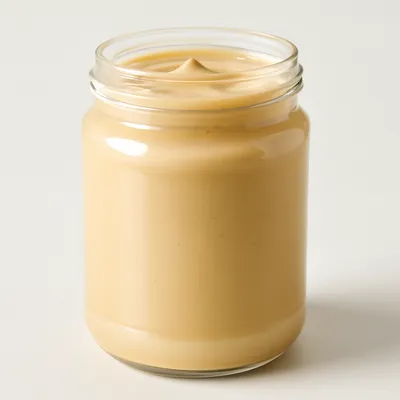
Make tahini sauce: whisk 4 tbsp tahini + 4 tbsp lemon juice + 4 tbsp water + 2 minced garlic cloves + ½ tsp salt + 1 tsp cumin into a smooth pale-cream sauce.
- 125 min
Serve hot ta'amia with tahini sauce, fresh tomato-cucumber-onion salad, pickled vegetables, and warm pita or kisra.


