A spiced patty of ground meat bound with chickpea or yellow split-pea flour, shaped into a small ring with a hole pressed through the middle by the thumb, then pan-fried until deep golden and crisp. The dough is worked smooth so the fried disc holds together with a tender, almost dense crumb. Shami is eaten warm or cold as a starter or light meal, usually with flatbread, fresh herbs and a squeeze of lemon. Its distinctive doughnut shape is the giveaway on any Persian table.


Shami belongs to the family of Persian shami patties, and the split-pea version known as shami lapeh is closely tied to Gilan on the Caspian coast, where it is a regional specialty. The name shami points to a Levantine connection — sham being the old name for Damascus and greater Syria — reflecting the long movement of spiced minced-meat dishes across the Persian and Arab worlds. Recipes vary from cook to cook, but the thumb-holed ring and the legume-flour binding are constant, and the dish has long been a staple for gatherings, Ramadan tables and travel food that keeps well.
Crisp and deep-gold on the outside, giving way to a tender, finely textured interior that is savory and warmly spiced with turmeric and a hint of cinnamon. The legume flour lends a gentle, nutty earthiness and keeps the crumb just shy of dense. Eaten with a squeeze of lemon, the sourness cuts the richness; alongside fresh herbs and bread, it makes a satisfying handful. The ring shape means crisp edges all the way around.
Cooking the split peas soft and grinding them with the meat into a smooth, slightly sticky paste is what lets the patties hold without falling apart in the oil; egg and the legume's own starch act as the glue. Resting the mixture firms it up so it shapes cleanly. The thumb-hole is not just decorative — it thins the center so the patty cooks through evenly before the outside scorches, and frying in moderately hot oil sets a crisp crust while keeping the inside tender.
Variations
Shami lapeh uses yellow split peas with beef and is the classic Gilani form; other versions lean on chickpea flour alone, sometimes called shami ardeh nokhodchi, for a vegetarian-leaning or lighter patty. Lamb stands in for beef in some homes, and seasonings range from plain turmeric to advieh, dried herbs or a little saffron. Some cooks skip the central hole and make solid discs, but the ring is the traditional mark.
On the Palate
Where Shami sits in the Persian flavor cloud
Ingredients
Serves 6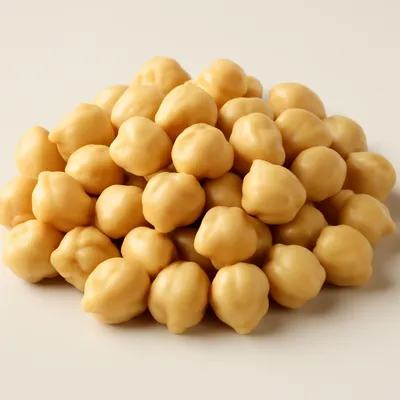
How it's made
8 steps · 40 min
- 145 min
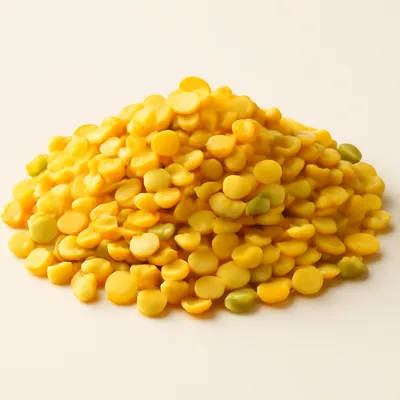
Simmer yellow split peas until very soft, then drain and let them cool.
- 212 min
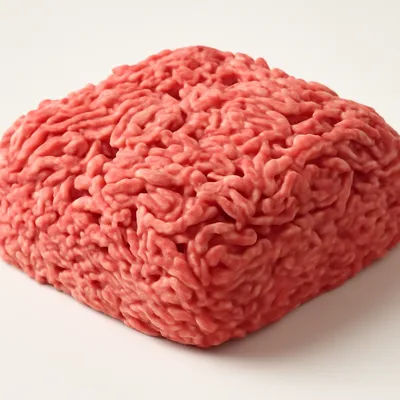
Cook the ground meat with chopped onion, turmeric and salt until done, draining off excess liquid.
- 38 min
Grind or process the split peas and meat together into a smooth, cohesive paste.
Watch outGrind the peas and meat into a paste smooth and tacky enough to clump in your hand — that stickiness is the only glue holding the patties in the oil.
- 46 min
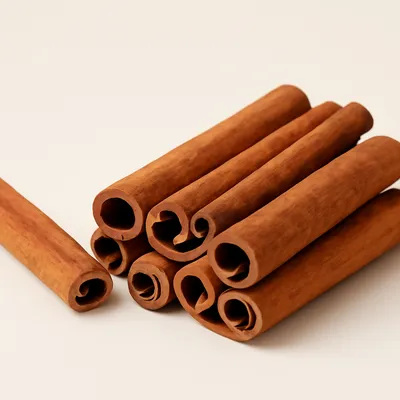
Mix in egg, cinnamon and any dried herbs, then knead until the paste is uniform.
- 560 min
Rest the mixture in the fridge for about an hour so it firms up.
Watch outChill until the mix firms up and shapes cleanly — a warm loose paste tears apart when you press the hole.
- 610 min
Take walnut-sized portions, flatten into discs and press a hole through the center with your thumb.
- 712 min
Fry the rings in moderately hot oil, turning once, until deep golden and crisp on both sides.
Watch outFry in oil that's moderately hot, not screaming — the thin center should cook through before the crust goes past deep gold.
- 82 min
Drain on paper and serve warm or cold with flatbread, herbs and lemon.
Archive tool suggestions — not reviewed
These legacy suggestions have not been evidence-reviewed and are not presented as required tools.