Pecel lele is a Javanese night-warung staple: a whole catfish, marinated in turmeric, garlic, and salt, then deep-fried until the skin is crisp and the flesh stays moist. It arrives on a sheet of paper or a plastic basket with warm rice, a mound of raw lalapan vegetables — cucumber, cabbage, lemon basil, long beans — and a fiery red sambal pounded from chili, tomato, garlic, shallot, and shrimp paste. Despite the name pecel, this is not a peanut-sauce dish; here pecel simply means the food is eaten by smashing the fish into the sambal. It is the archetypal cheap, filling supper of the roadside lesehan, where diners sit cross-legged on mats under a tarpaulin.




The dish belongs to East and Central Java, with Lamongan in East Java widely credited as the home of its itinerant traders, who carried the warung pecel lele format across Java and into Jakarta through the late twentieth century. Farmed catfish (lele) is cheap, fast-growing, and available year-round, which made it the natural protein for an affordable street supper; the same warung typically also sell ayam (chicken), bebek (duck), and other fried items beside the catfish. The lesehan style of sitting on woven mats, and the open-air tented stalls lit late into the night, are as much a part of the dish's identity as the fish itself. No single inventor is recorded — it is a folk format that grew with Java's urban street-food economy.
The first thing is the crackle: the fried skin shatters and the fins go shard-crisp, while inside the flesh stays soft and faintly sweet, clean-tasting rather than muddy because the turmeric marinade and hot oil drive off any river note. Then the sambal hits — sharp, bright with tomato, deeply savoury from shrimp paste, and properly hot. The raw lalapan resets the palate between bites: cool cucumber, peppery cabbage, and the aniseed lift of lemon basil cut straight through the richness of the fish and the burn of the chili.
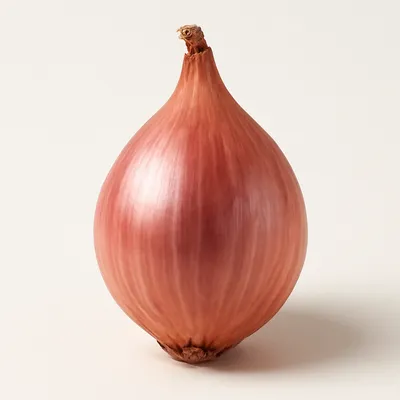
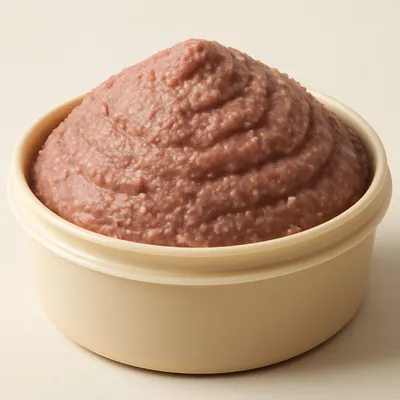
Two steps make the fish work. First the catfish is scored and rubbed with a turmeric-garlic-salt paste and rested briefly; the salt firms the flesh and draws out surface moisture while turmeric's antimicrobial, aromatic compounds counter any off-odour. Then it is deep-fried in hot oil (around 170-180°C): the high heat flash-evaporates surface water into the loud crisp skin and renders the thin layer of fat under it, while the interior cooks through gently and stays juicy. The sambal is a cold-then-hot emulsion of sorts: chili, shallot, garlic, tomato, and toasted shrimp paste are pounded to a coarse paste so cell walls rupture and release capsaicin and aromatics, then sometimes flash-fried in a little oil to round the raw edge.
Variations
The same warung format yields pecel ayam (fried chicken) and pecel bebek (fried duck) on the identical plate; coastal versions swap in gourami or other freshwater fish. The sambal ranges from raw sambal terasi to a cooked tomato sambal lalapan, and stalls compete on its heat and freshness. In some places the fish is given a second 'kremes' coating of seasoned batter fried into crisp flakes scattered over the top, and a sweet-soy version glazes the fried fish with kecap manis.
On the Palate
Where Pecel Lele sits in the Indonesian flavor cloud
Ingredients
Serves 2

How it's made
8 steps · 30 min active + 10 min waiting
- 112 min
Clean and score the catfish, then rub it inside and out with a paste of ground turmeric, garlic, and salt; rest 10 minutes.
Watch outRub the scored catfish with the turmeric-garlic-salt paste and rest 10 minutes — the salt firms the flesh and pulls surface moisture while turmeric counters any off-odour, setting up a crisp fry.
- 28 min
Pound chili, shallot, garlic, and toasted shrimp paste with a little salt into a coarse sambal, then stir in chopped tomato.
- 32 min
Optionally flash-fry the sambal in a spoonful of hot oil for a minute to mellow it, or leave it raw.
- 43 min
Heat oil to a brisk frying temperature and lower in the marinated catfish.
- 58 min
Deep-fry, turning once, until the skin is deeply crisp and golden and the flesh is cooked through.
Watch outDeep-fry at 170–180°C, turning once, until the skin is loudly crisp and deep golden — high heat flashes off the surface water; too cool and the skin stays soft and greasy.
- 62 min
Drain the fish on paper to shed excess oil.
- 75 min
Wash and arrange the raw lalapan vegetables: cucumber, cabbage, long beans, and lemon basil.
- 82 min
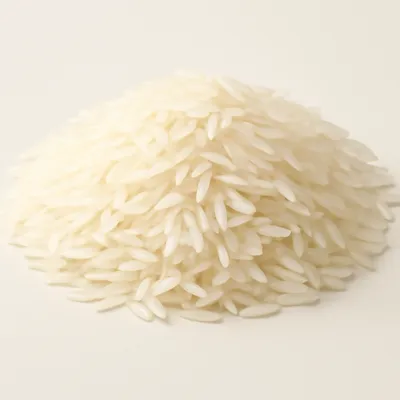
Serve the fish with warm rice, the lalapan, and the sambal on the side for smashing together.
