A Palembang soup built around a pempek-style fishcake wrapped around a block of tofu, deep-fried, then sliced and laid in a sweet-savory prawn broth. The bowl is finished much like tekwan — with glass noodles, cucumber, dried shrimp, celery, and fried shallots — but the fried tofu-stuffed cake is what sets it apart. The broth is clear and lightly sweet, the fishcake gone golden and chewy at its fried edges. Lime and sambal are added at the table.


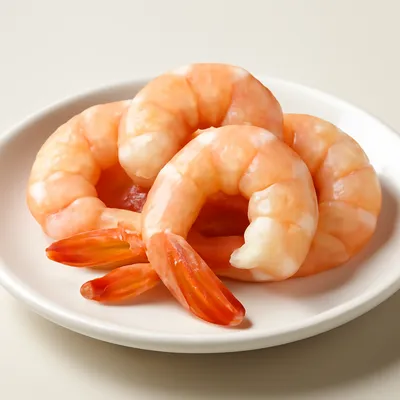


Model is part of Palembang's pempek family, the cluster of fish-paste dishes that grew up along the Musi River in South Sumatra. Its name is usually traced to the Dutch or Hokkien word for a mold or form, after the way the paste is shaped around the tofu; the binding of deboned fish with starch follows the same East Asian surimi lineage credited to the city's Chinese community. The stuffed, fried version is called model iwak (fish); a meatless version replaces the fishcake with fried wheat dough. No founding date is documented — it is a long-standing street and warung dish.
Bite through the fishcake and you get two textures at once — a chewy, savory fish layer with crisp fried edges, then the soft, broth-soaked tofu inside it. The soup is clear and gently sweet, deepened by dried shrimp, and the slices give it up slowly as they sit. Cucumber adds a cool, watery crunch; glass noodles slip alongside; fried shallots and a little sambal lift the whole bowl from comforting to bright.
The fishcake is the technical heart of the dish. The fish-and-starch paste is wrapped fully around a block of tofu, then deep-fried: the starch gelatinizes and sets into a springy shell while the outside browns and firms, and the tofu inside steams in its own moisture and turns sponge-soft so it can later drink up the broth. Frying before the cake meets the soup is what distinguishes model from tekwan, where the plain paste is simply poached. The broth is a clear prawn or dried-shrimp stock, balanced sweet-savory with a little palm sugar and garlic; the fried slices are added at serving so they keep some chew rather than going slack.
Variations
Model iwak is the canonical fish version; model gendum (or model gandum) swaps the fishcake for fried wheat dough for a cheaper, meatless bowl. Cooks vary the broth from barely sweet to noticeably so, and some add tongcai (preserved vegetable) or more dried shrimp for depth. It is a close cousin of tekwan, sharing the broth and garnishes but built on a fried, tofu-stuffed cake rather than poached fish balls.
On the Palate
Where Model Palembang sits in the Indonesian flavor cloud
Ingredients
Serves 4

How it's made
8 steps · 50 min active + 30 min waiting
- 130 min
Make the prawn stock: saute prawn heads and shells (or rinsed dried shrimp) in a little oil, add water, and simmer 25-30 minutes; strain and reserve.
- 210 min
Soak the glass noodles in warm water until soft; drain. Halve the tofu blocks if large and pat dry.
- 310 min
Make the fish paste: blend deboned mackerel smooth with ice water and salt, then work in tapioca starch to a soft, pliable dough.
- 410 min
Press a layer of paste fully around each block of tofu, sealing it into a smooth parcel.
Watch outWrap the fish paste fully and smoothly around each block of tofu, sealing it — a gap and the parcel bursts open in the hot oil.
- 512 min
Deep-fry the parcels in moderately hot oil until golden and firm all over; drain and let cool slightly, then slice.
Watch outFry until golden and firm all over — the starch shell sets springy while the tofu steams soft inside so it can later drink up the broth.
- 65 min
Season the strained stock with crushed garlic, white pepper, a little palm sugar, and salt; bring to a simmer.
Watch outAdd the fried slices only at serving, over the hot broth — soak them too early and the crisp shell goes soggy.
- 73 min
Divide glass noodles, sliced cucumber, and the sliced fishcake among bowls; ladle over the hot broth.
- 82 min
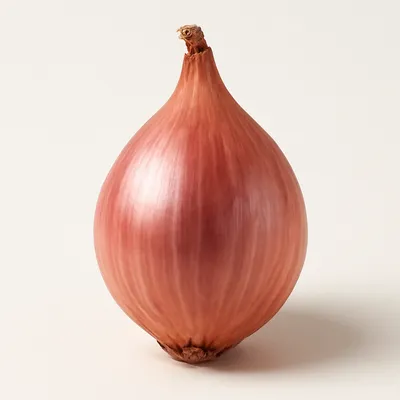
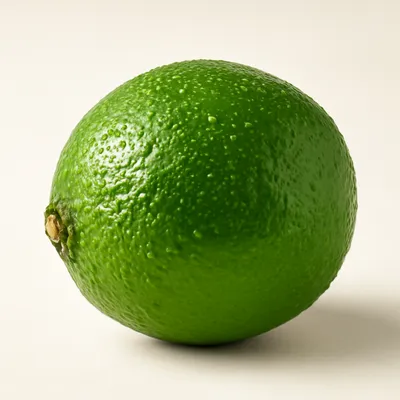
Scatter fried dried shrimp, celery leaf, scallion, and fried shallots on top; serve with lime and sambal.


