A Sundanese beef dish in which slabs of beef are simmered until tender, pounded flat to loosen the fibers, then fried in a sweet, coconut-and-palm-sugar spice mixture until the edges caramelize. Gepuk means pounded; the beating is what gives the meat its characteristic frayed, easy-to-bite texture. Sweet, savory, and a little crisp at the edges, it is a beloved West Javanese rice companion.
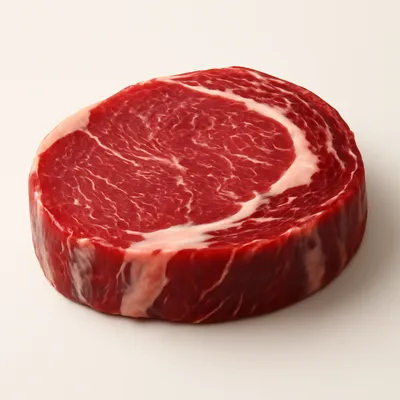
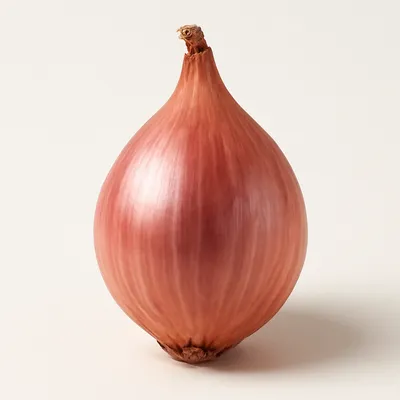



Empal gepuk is a long-standing Sundanese (West Java) home and warung dish, part of the region's repertoire of sweet-savory fried meats eaten with rice and sambal. Its exact origin is not documented to a single date, but it is firmly Priangan in character — the marked sweetness from palm sugar and the candlenut-rich bumbu are hallmarks of Sundanese cooking. It travels well, which made it a classic carried dish and a fixture of nasi timbel and composed Sundanese plates.
Slabs of beef gone soft and frayed from the pounding, glazed sweet and dark with palm sugar, the surface caught and slightly crisp from frying. The first taste is sweet, then the savory depth of candlenut, garlic, and coriander comes through, with coconut richness behind it. It pulls apart easily and is meant to be eaten with plenty of plain rice, fresh lalapan vegetables, and a sharp sambal to cut the sweetness.
The beef is simmered with the spice base until tender before it is ever fried — this both cooks it through and infuses it. Pounding the boiled slabs flattens and breaks the muscle fibers so the meat turns tender and absorbs the sweet bumbu, and so it fries in a thin, even sheet. The final fry in palm-sugar-laced spice caramelizes the sugars on the surface, building colour and a faint crust while the inside stays moist.
Variations
The standard is the sweet fried version eaten with rice; empal gentong is unrelated despite the shared word empal. A spicier rendition, empal pedas, tosses the fried beef in chili; some cooks deepen the colour and sweetness with extra palm sugar, while others keep it leaner and more savory. It is sold ready-fried as a packable lauk to take home.
On the Palate
Where Empal Gepuk sits in the Indonesian flavor cloud
Ingredients
Serves 4

How it's made
7 steps · 35 min active + 1 hour 25 min waiting
- 18 min
Pound shallot, garlic, candlenut, and coriander into a bumbu.
- 260 min
Simmer the beef with the bumbu, palm sugar, and a little water until tender.
Watch outSimmer the beef with the bumbu until tender before it ever fries — this cooks it through and drives the sweet spice deep; fry raw meat and it stays tough with only surface flavour.
- 310 min
Remove the beef and pound each slab flat to loosen the fibers.
- 412 min
Reduce the remaining braising liquid with coconut milk into a thick sweet glaze.
- 515 min
Coat the pounded beef in the glaze and let it absorb.
- 68 min
Fry the beef in hot oil until the edges caramelize and crisp.
Watch outFry the glazed beef just until the edges caramelize and crisp — the palm sugar is browning; pull it before it scorches, and keep the inside from drying out.
- 72 min
Drain and serve with rice, lalapan, and sambal.
