Sayur AsemLalapanMie KocokBandrek
Indonesia / West Java (Bandung)

Sundanese

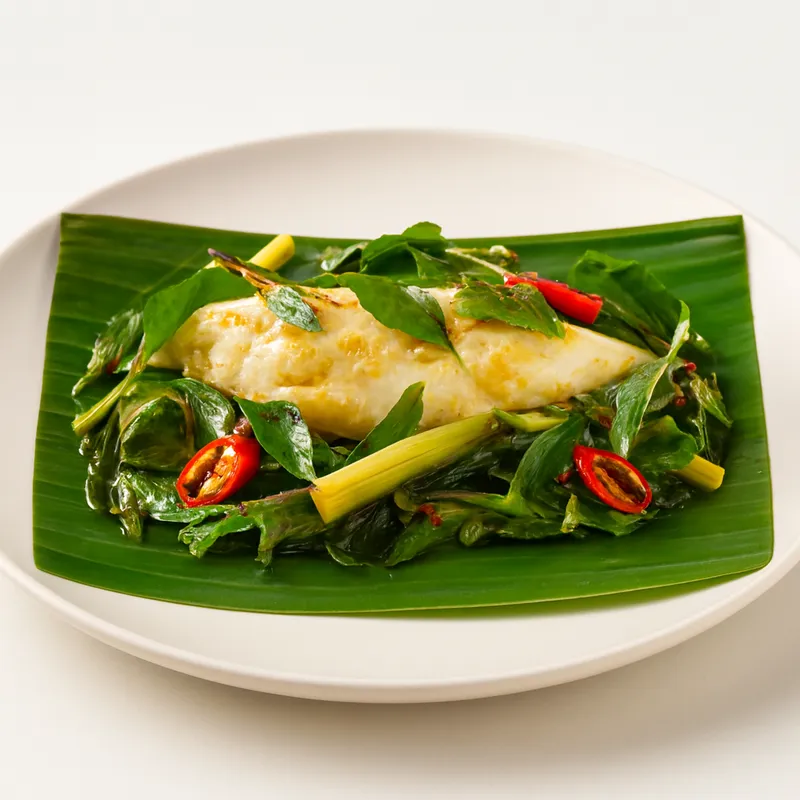
Pepes Ikan: fish steamed in banana leaf.

18 dishes · 89 ingredients · 13 techniquesReference
Signature·Preparation

Lalapan

Lalapan is a concept of serving fresh raw vegetables alongside cooked dishes, highlighting the herbaceous and fresh flavors of Sundanese cuisine.

View page →

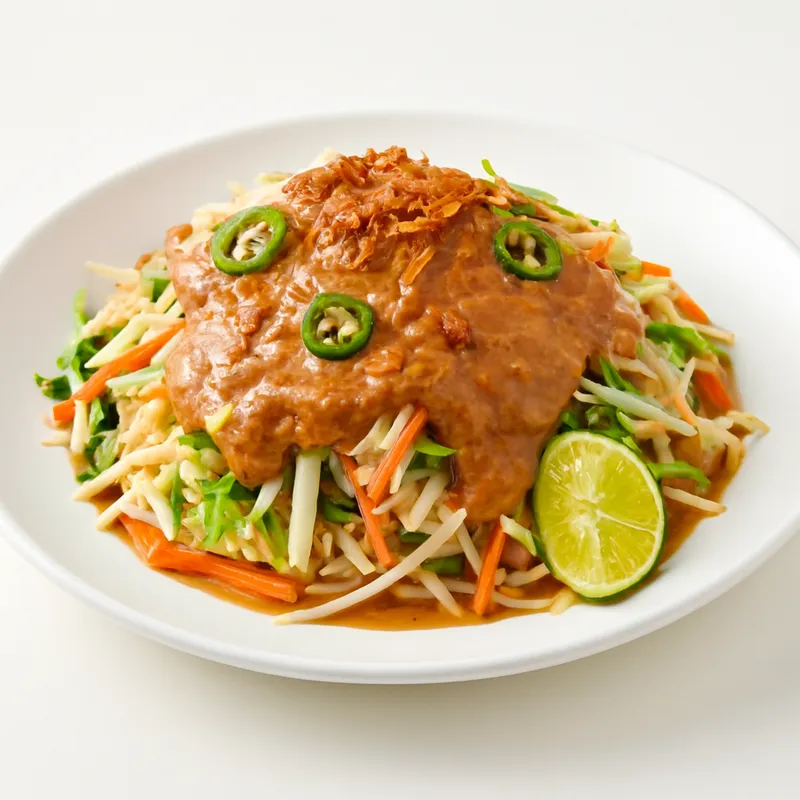
Bright, crunchy vegetables tumble into a mixing bowl for karedok. Each bite of this Sundanese salad carries the rich, nutty flavor of peanut sauce, sharpened by the tang of tamarind and the zing of lime.

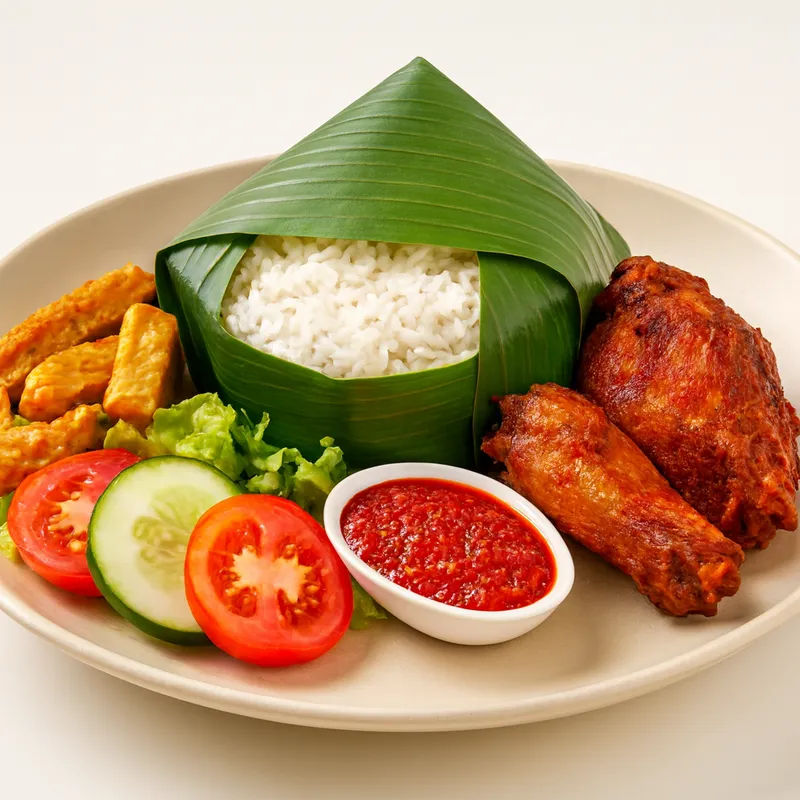
Within Indonesia's regional kitchens, Sundanese cuisine is known for its fresh herbs and simplicity. Unlike the heavy, coconut-rich dishes of Padang or the intricately spiced offerings of the Yogyakarta kraton, Sundanese dishes like nasi timbel and pepes ikan emphasize freshness and balance. Nasi timbel is rice wrapped and steamed in banana leaf, while pepes ikan's herbal notes show the Sundanese preference for natural flavors.

Start Here

Sayur Asem

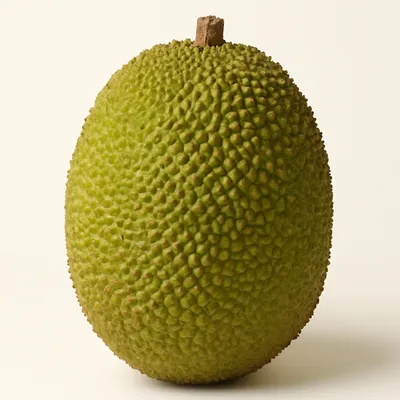
Sayur Asem is the West Javanese garden in a bowl: chayote, corn, long beans, peanuts, jackfruit, and melinjo leaves bobbing in a clear-brown tamarind-and-palm-sugar broth.

Why start here · Sayur Asem captures the Sundanese commitment to bright, vegetable-forward, never-heavy cooking — and shows how tamarind serves as the regional acid signature.

Lalapan

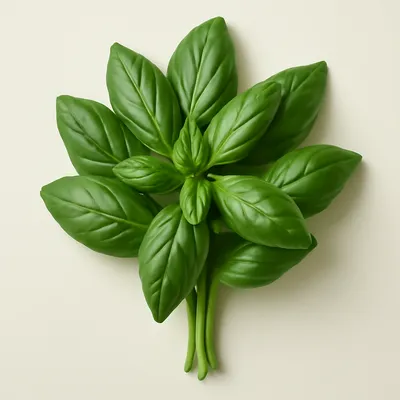
Lalapan is Sundanese vegetable philosophy distilled: raw cucumber, cabbage leaves, lemon basil, and long beans paired with a dynamite sambal terasi — the cookery hides behind the produce.

Why start here · No other regional cuisine in Indonesia treats raw vegetables this seriously — lalapan teaches you the Sundanese palate's love of unprocessed produce.

Mie Kocok

Mie Kocok is Bandung's late-night anchor: wide flat egg noodles in a rich beef-tendon broth, topped with sliced beef, jelly-soft tendon, bean sprouts, and fried shallots — eaten by warung night-shifters and university students.

Why start here · Mie Kocok showcases the Sundanese mastery of long-simmered collagen broths — the tendon converting from rubber-tough to silken-soft is a technical wonder.

The Pantry

See all 89 ingredients

How They Cook

Techniques that define this cuisine

See 9 more techniques

Kindred Kitchens

Cuisines built on the same signature ingredients

Other regions

Siblings within Indonesian — each its own tradition.
Javanese
28

The dominant plate — gudeg, soto, bakso, nasi goreng. Sweet-leaning palace tradition (kraton Yogyakarta), pan-Indonesian street staples.

Padang
17

Minangkabau coconut-and-chili tradition — rendang, nasi padang's parade of small dishes, gulai. Among the world's spiciest cuisines.

Balinese
16

Distinct Hindu island — babi guling (suckling pig), bebek betutu, lawar, sate lilit. Built on base genep spice paste; ceremonial cooking is daily life here.

Betawi
13

Jakarta-Betawi cuisine reflects the cosmopolitan capital region: Soto Betawi (creamy beef soup), Kerak Telor (Jakarta omelet), Asinan Betawi (pickled-vegetable salad), Gado-Gado (mixed salad with peanut sauce). The cuisine has Malay-Chinese-Arab-European fusion from Jakarta's 400-year port history.

Manado
11

Manado / Minahasan cuisine of North Sulawesi is Indonesia's spiciest regional cuisine — Ayam Rica-Rica (spicy chicken), Tinutuan/Bubur Manado (vegetable porridge), Cakalang Fufu (smoked tuna), Dabu-Dabu (raw chili sambal). Heavy use of bird's eye chilies, kemangi (lemon basil), and Pacific seafood.

Palembang
10

South Sumatra's fish-paste kitchen, built along the Musi River. Springy pempek and its cousins — tekwan, model, laksan — dipped in a dark, fierce sweet-sour cuko, alongside tamarind-soured pindang fish soups and the coconut-rich mie celor.

Acehnese
9

The curry-forward, Indian- and Arab-inflected cooking of Sumatra's northern tip — fragrant mie aceh, fried-curry-leaf ayam tangkap, vinegar-stewed sie reuboh, and vegetable curries built on fermented pliek u. Spice-trade history in every pot.

Makassar
9

The beef-and-broth cooking of the Bugis-Makassar coast — coto, konro and pallubasa, dark with keluak or rich with toasted coconut, ladled over ketupat. Sour pallumara fish soups, charred konro ribs, and the green-banana sweet es pisang ijo off Losari beach.

Banjar
7

The Banjarese kitchen of South Kalimantan, river-fed and spice-trade-scented — clove-and-cinnamon soto banjar, smoked-snakehead ketupat kandangan, and the sweet dried-chili masak habang that glazes its fish and fowl.

Madurese
6

The island that gave Indonesia its satay — Madurese cooking runs on sweet-soy sate madura, clear beefy soto madura, and frugal, intense uses of every part of the animal, from trotter broth to banana-leaf-steamed duck.

Signature Dishes (18)

Browse all 18 dishes