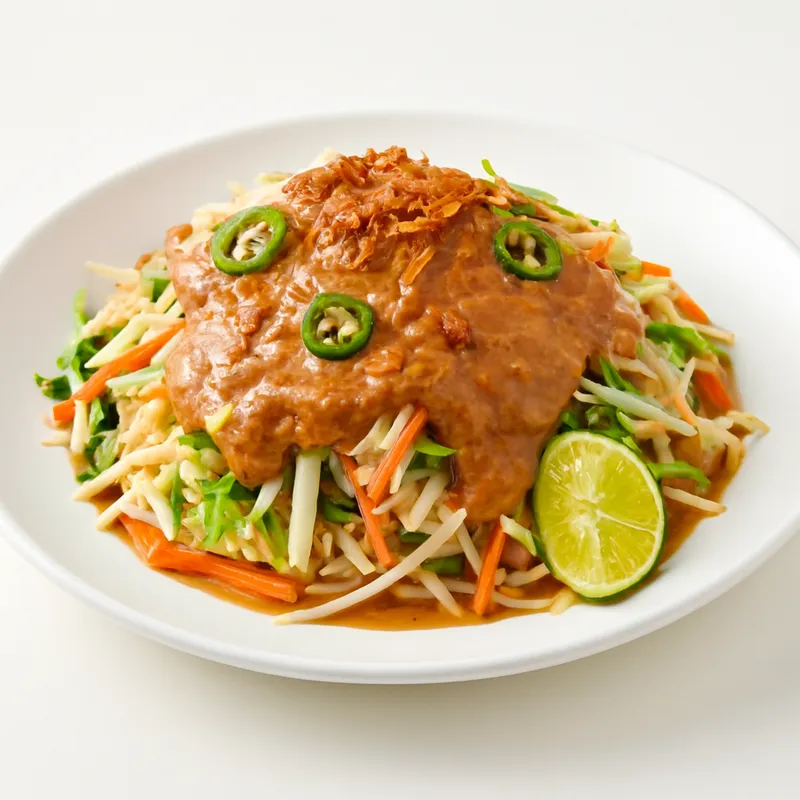



Karedok is the Sundanese (West Java) raw-vegetable counterpart to gado-gado (which uses blanched vegetables). Documented in Sundanese culinary writing well before 20th-century cookbooks, it predates the colonial trade in peanuts only loosely — peanuts arrived from the Americas via the Spanish-Portuguese routes in the 16th–17th centuries, after which the dish took its current form.
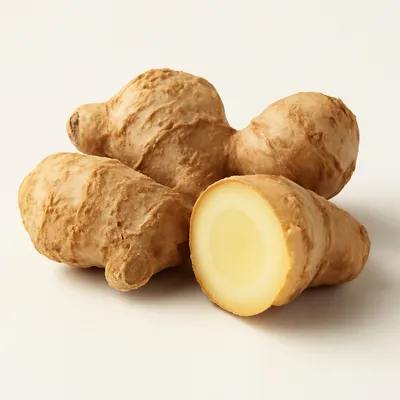
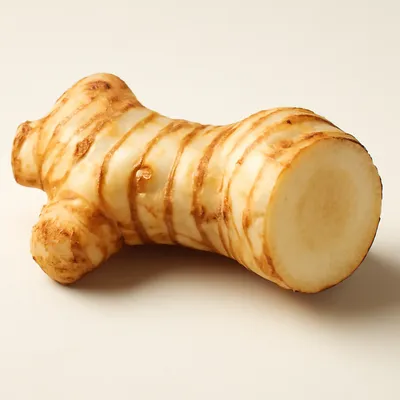
West Java's raw-vegetable answer to gado-gado, defined by kencur — sand ginger with a camphor edge that ginger and galangal can't fake. Sauce is pounded in a stone mortar; a blender turns it into a slick that slides off the vegetables.
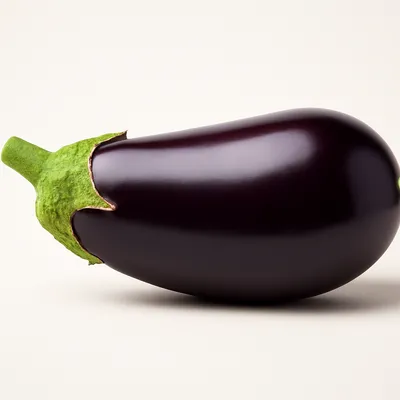
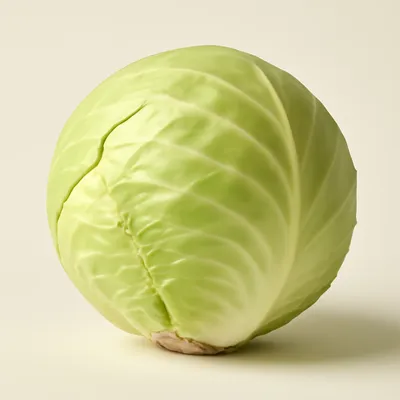
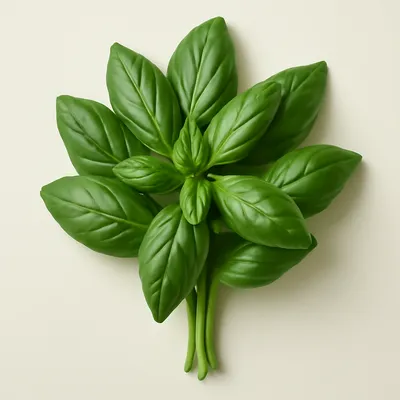
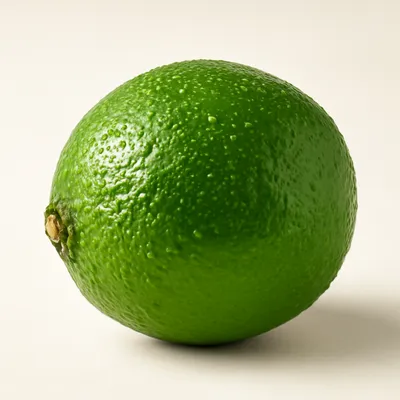
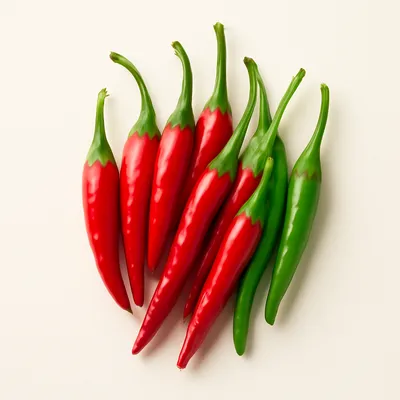
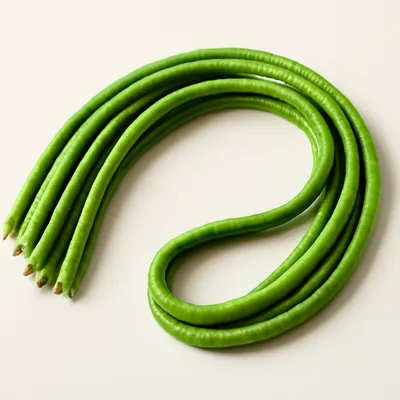
Raw vegetables — long beans, cucumber, cabbage, bean sprouts, basil, small eggplant — chopped rough and tossed with a thick peanut sauce sharpened with tamarind, lime, palm sugar, garlic, kencur (sand ginger), and chili. Cold, crunchy, sour-sweet-spicy in equal measure. The kencur is what tells you it's Sundanese, not generic Indonesian peanut salad.
Kencur (Kaempferia galanga) is the load-bearing root — sharper, more medicinal than ginger or galangal, with a camphor edge. Sauce is pounded fresh in a stone mortar, never blended; the texture must stay coarse so the peanut and chili shards catch on the wet vegetables. Smooth blender sauce slides off and pools.
Variations
Bandung classic uses long bean, cucumber, basil, baby eggplant; Cirebon coastal version drops eggplant and adds raw papaya; gado-gado is the blanched cousin and lotek the half-blanched middle ground.
On the Palate
Where Karedok sits in the Indonesian flavor cloud
Pound the sauce by hand in a stone mortar and keep it deliberately coarse — the peanut and chile shards must stay chunky enough to cling to the wet raw vegetables, because a smooth blender sauce just slides off and pools at the bottom.
Ingredients






How it's made
5 steps · 30 min
- 14 min
Finely chop long beans, cabbage, and cucumber, and slice eggplant thinly.
Watch outCut the long beans, cabbage and cucumber small and even — since nothing gets cooked, the size of the chop is what makes each mouthful crunch the same.
- 25 min
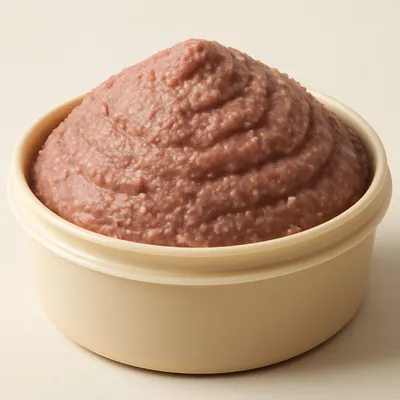
Prepare the peanut sauce by grinding together roasted peanuts, bird's eye chili, shrimp paste, garlic, palm sugar, and tamarind.
Watch outGrind the aromatics first, then work in the peanuts last and only briefly — you want the nuts cracked into gritty bits, not milled to butter.
- 33 min
Mix the sauce with the chopped vegetables, ensuring even coating.
Watch outFold the sauce through gently but thoroughly so every piece is coated — dry patches taste bland against the rich peanut.
- 45 min
Squeeze lime juice onto the mixture for a fresh tanginess.
- 52 min
Garnish with fresh basil leaves before serving.
Archive tool suggestions — not reviewed
These legacy suggestions have not been evidence-reviewed and are not presented as required tools.