
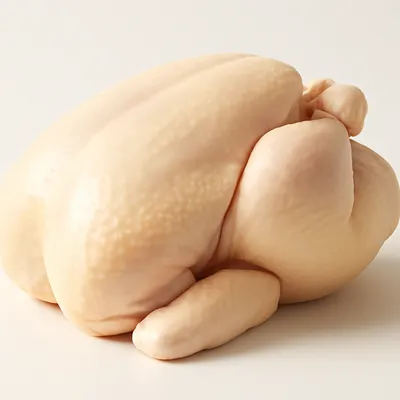
Balinese spice-stuffed slow-roasted chicken — a whole chicken rubbed inside-out with bumbu Bali (turmeric, chili, candlenut, galangal), wrapped in banana leaves, and slow-roasted underground or in an oven for 4-5 hours until the meat is falling off the bone and saturated with spice. The ceremonial centerpiece of Balinese feasts — also commonly served at warungs as 'ayam betutu Gilimanuk.' The defining Hindu-Balinese dish.



Ayam Betutu has roots in Hindu-Balinese religious tradition, traditionally prepared as 'banten' (offering) at temple ceremonies. The traditional method buries the wrapped chicken in an earth pit and slow-cooks it over coconut-husk embers for 8-10 hours. The dish is regional: Gilimanuk-style (West Bali) is famously spicy with extra chili and a sambal-stuffed cavity, while Ubud-style is milder and more aromatic with kaffir lime + turmeric forward. The 'Warung Ayam Betutu Gilimanuk Pak Liyem' lineage has been famous for decades — the chickens are prepared each morning, stuffed by hand, and slow-roasted from dawn until lunch. Modern restaurant versions use ovens at 130°C for 4-5 hours; ceremonial versions still use buried earth ovens lined with banana leaves and stones.
Ayam Betutu is the deepest-spiced Indonesian chicken you'll meet. Open the banana-leaf wrap and intense aromatic steam billows out — turmeric, kaffir lime, galangal, chili, all mingled with chicken juices. The meat falls off the bone with the touch of a fork. First bite: chicken is so tender it's almost mousse-like, with bumbu Bali penetrating every fiber. The Gilimanuk version brings real chili heat that builds over 3-4 bites; the Ubud version is fragrant rather than fiery. Eat with rice to balance; sambal matah on the side adds raw-fresh contrast. Two pieces is dinner.
Three things make ayam betutu work: (1) the bumbu Bali sauté before application — caramelizes shallots/garlic, blooms turmeric/chili, and develops umami; (2) the banana-leaf wrap, which steams the chicken in its own juices while preventing direct heat, allowing 4-5 hours of low slow cooking without drying; (3) the long cook time, which breaks down collagen in the chicken into gelatin (fall-off-bone texture) and allows the spice paste to fully penetrate via diffusion through the meat fibers. The 130°C temperature is below collagen-set point, so the chicken stays juicy while connective tissue dissolves.
Variations
Gilimanuk style (West Bali, spicy, with sambal-stuffed cavity); Ubud style (milder, aromatic-forward, more turmeric); Negara style (more lemongrass, more kaffir lime); ceremonial version uses earth-oven cooking (lemo) with hot stones; modern restaurant versions use sous-vide or oven-bag for moisture retention; bebek betutu (duck version) uses identical technique but with duck, requiring longer cook (6-7 hours).
On the Palate
Where Ayam Betutu sits in the Indonesian flavor cloud
Ingredients
Serves 4






How it's made
8 steps · 1 hour active + 5 hours waiting
- 15 min
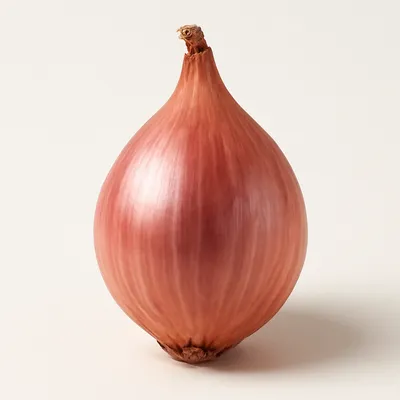
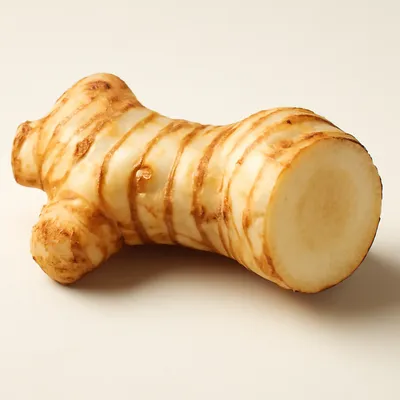
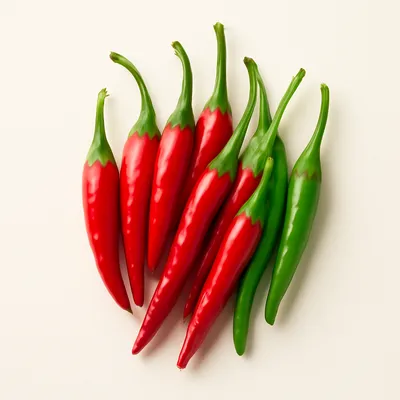
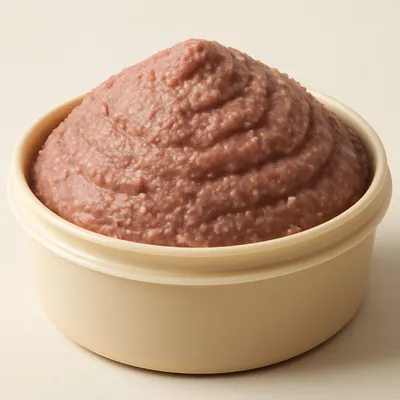
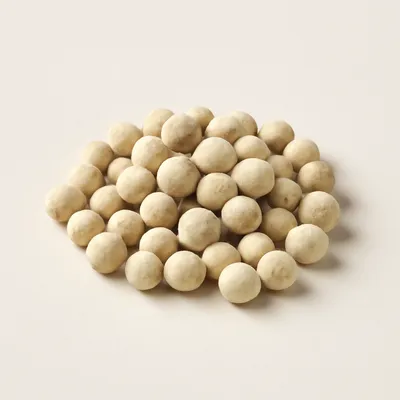
Make bumbu Bali: in a blender combine 8 shallots + 5 garlic cloves + 5 candlenuts + 5cm fresh turmeric + 5cm galangal + 3cm ginger + 4 red chilies + 4 bird's eye chilies (more for Gilimanuk style) + 1 tbsp toasted shrimp paste + 1 tbsp coriander seeds + 1 tsp white pepper + 4 kaffir lime leaves + 1 stalk lemongrass (tender part). Blend with 3 tbsp water into a thick paste.
- 217 min
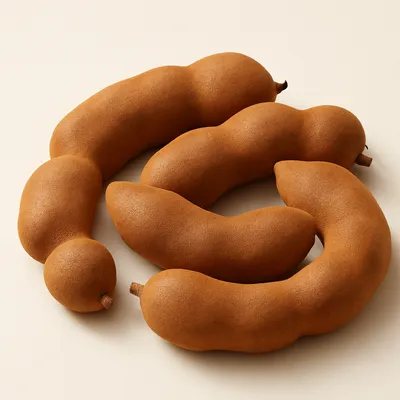
Sauté the bumbu in 3 tbsp coconut oil over medium heat 12-15 min, stirring constantly, until deeply fragrant and oil separates from the paste. Add 1 tsp palm sugar + 1 tsp salt + 1 tsp tamarind paste; stir 2 min. Cool to room temperature.
Watch outThe bumbu is ready the moment the oil separates and beads at the edge of the pan — chase that visual cue, not the clock.
- 38 min
Prep chicken: rub a 1.5kg whole chicken inside and out with the cooled bumbu. Stuff the cavity with: 100g cassava leaves (or substitute spinach) + 50g additional bumbu + 2 kaffir lime leaves + 1 stalk lemongrass.
- 410 min
Wrap: lay out 6-8 large banana leaves (overlapping). Place the stuffed chicken in the center. Wrap tightly, securing with kitchen twine or bamboo skewers. The wrap should be water-tight to retain juices.
- 5270 min
Slow-roast: preheat oven to 130°C (or use a covered slow cooker on low). Place the wrapped chicken in a roasting pan with 200ml water. Roast 4-5 hours until very tender. The chicken should reach internal temperature of 80°C+ at the thigh.
Watch outGive it the full low-and-slow roast; the thigh should reach 80 度 and the meat should feel loose on the bone.
- 615 min
Optional: after 4 hours, unwrap; increase oven to 180°C; roast 15 min uncovered to crisp the skin.
- 715 min
Rest 15 min before serving. Carve at the table by pulling the chicken apart with two forks — it should fall off the bone.
Watch outDone means the meat pulls apart with two forks and slides off the bone with no resistance.
- 810 min
Serve: place the chicken on a banana-leaf-lined platter with the cassava leaves alongside. Spoon any pan juices over. Accompany with steamed white rice + lawar + sambal matah + lalapan + slices of fresh cucumber. The Gilimanuk style adds extra sambal embe on the side.


