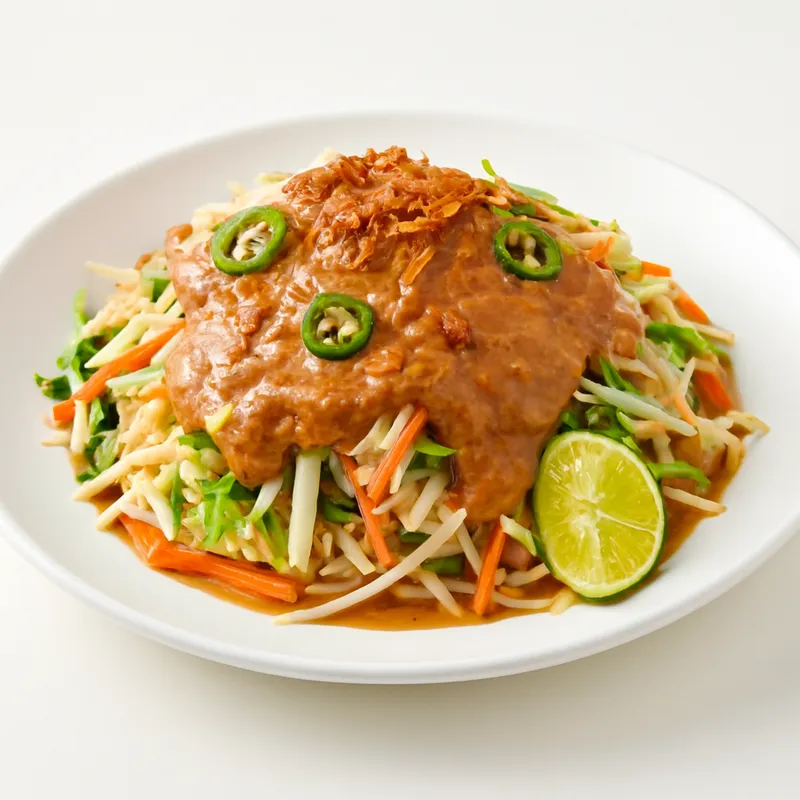




Gulai is the canonical Padang curry — coconut-milk-based, golden-yellow from turmeric, fragrant with lemongrass and ginger. The dish has Indian-influenced origins (the Minang trade with Indian Muslims for centuries) but is distinctly Indonesian: candlenut (kemiri) as thickener, palm sugar for sweetness, asam kandis (sour mangosteen) for the signature Padang acidity. Different protein variants exist — Gulai Ayam (chicken), Gulai Kambing (goat), Gulai Daun Singkong (cassava leaves), Gulai Otak (brain) — but the spice base is the same. The dish appears at every Padang restaurant.
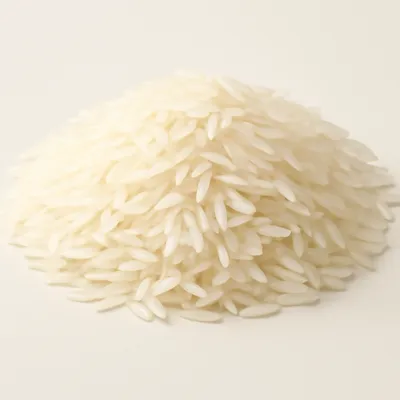
A bowl of Gulai Ayam: vibrant yellow coconut sauce, chicken pieces falling off the bone, fragrant with lemongrass and ginger. The first bite: rich coconut creaminess, gentle spice heat building, citrus brightness from kaffir lime leaves, the slightly sour-mineral notes from asam kandis. Pair with white rice — the rice absorbs the sauce. Add a small piece of sambal balado for extra heat. This is what Sumatran families cook on Sundays, what every Padang restaurant displays in its window.
Coconut milk's high fat content (15-20%) provides the rich body that defines gulai — the sauce won't 'break' even with long simmering, as the fats stay emulsified. Candlenut/kemiri is the secret thickener — it has high oil content (~60%) that disperses into the sauce. Asam kandis provides Padang's signature sourness, different from tamarind (more mineral-citrusy); without it, the gulai tastes generic. Stirring gently is critical — vigorous stirring can split the coconut milk.
Variations
Padang canonical with chicken + asam kandis; Bukittinggi variant uses turmeric leaves more heavily; modern restaurants offer 'Gulai Cubadak' (jackfruit, vegetarian); commercial pre-made gulai paste exists at Indonesian groceries but freshly-made is dramatically better.
On the Palate
Where Gulai Ayam sits in the Indonesian flavor cloud
Ingredients
Serves 4



How it's made
8 steps · 40 min active + 50 min waiting
- 15 min
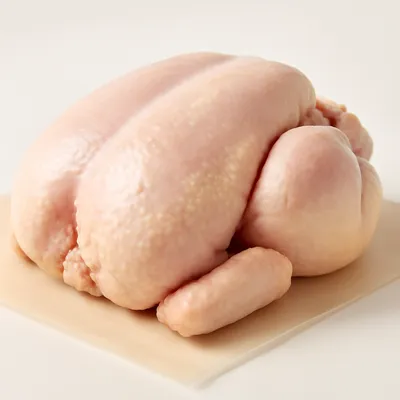
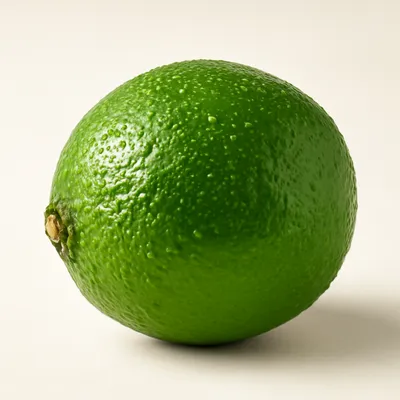
Cut 1 whole chicken (or 6 bone-in chicken thighs, ~1kg) into 8 pieces. Season with salt + lime juice; set aside.
- 27 min
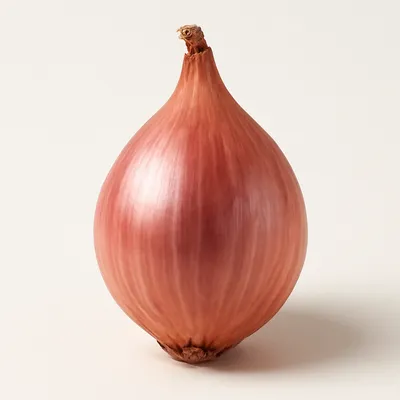
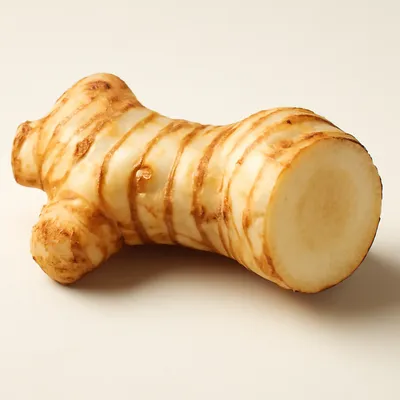
Make gulai spice paste (bumbu gulai): in a blender, combine 8 shallots + 6 garlic cloves + 4 candlenuts (kemiri; substitute macadamia) + 5cm fresh turmeric (or 1 tbsp ground) + 5cm ginger + 5cm lengkuas (galangal; substitute extra ginger) + 4 red chilies + 1 tsp coriander seeds + 2 tbsp water. Blend smooth.
- 39 min
Heat 4 tbsp coconut oil (or neutral oil) in a wok or heavy pot over medium heat. Add the spice paste; stir 8-10 min until fragrant and slightly darkened, with oil separating.
Watch outFry the spice paste 8-10 minutes until it darkens and the oil beads out at the edge — that split-out oil is the sign it's cooked through and no longer raw.
- 42 min
Add 2 stalks lemongrass (bruised) + 4 kaffir lime leaves + 1 turmeric leaf (if available) + 2 asam kandis (Garcinia atroviridis; substitute with 1 tbsp tamarind paste). Stir 1 min.
- 55 min
Add the chicken pieces; stir 5 min until coated and lightly seared.
- 65 min
Add 800ml coconut milk (1 can full + 1 can light) + 200ml chicken broth + 1 tsp palm sugar + 1.5 tsp salt. Bring to a gentle simmer.
Watch outOnce the coconut milk goes in, keep it at a bare simmer and stir slow — a hard boil or rough stirring splits the sauce into oily curds.
- 740 min
Reduce heat; partially cover; simmer 35-45 min until chicken is fork-tender and the sauce has thickened to coat. Stir gently every 10 min to prevent sticking.
Watch outIt's ready when the chicken pulls apart at a fork and the sauce has reduced enough to cling — stir gently every ten minutes so the bottom doesn't catch.
- 85 min
Adjust seasoning. Discard the asam kandis (or leave for diners to avoid). Serve over white rice with sambal balado on the side and lalapan (raw vegetables).