Padang
Rendang: slow-cooked beef, coconut spice.
Rendang
Rendang is a slow-cooked dry curry that represents the rich, spicy, and coconut-heavy flavors of Padang cuisine.
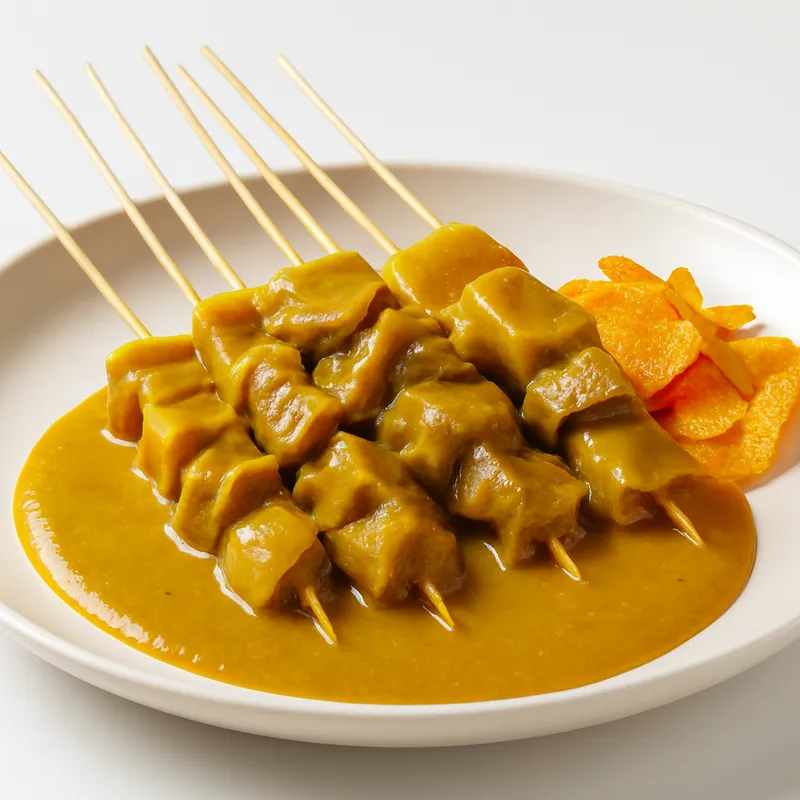
View page →Steam rises from a simmering pot of Gulai Daun Singkong, the creamy santan meeting the earthy aroma of turmeric and galangal. Nearby, skewers of Sate Padang sizzle over hot coals, their turmeric-rich sauce thickening for a fiery kick with each bite. The air is heavy with the scent of spices, a hallmark of Padang cooking.
Within Indonesia's regional kitchens, Padang cuisine stands out for its bold use of santan and intricate spice blends, which build deeply flavorful dishes like the rich, caramelized Rendang. The Padang kitchen is defined by its fiery sambal, generous coconut milk, and a wide range of bumbu — each dish showing the Minangkabau people's skill at balancing heat and depth. From tender Ayam Pop poached in coconut water to the rich Gulai Daun Singkong, Padang's cooking is a powerful expression of Indonesia's spice-heavy heritage.
Start Here
Indonesian dry-braised beef slow-cooked in coconut milk and a complex spice paste until deeply caramelized and tender.
Why start here · Rendang represents the pinnacle of Padang's slow-cooking techniques, with its deep, savory flavors highlighting the intricate use of spices.
Soto Padang is the Padang-style clear-broth beef soup — brisket simmered for hours into a clear amber broth, served over rice vermicelli with thin-fried crispy beef shreds, the signature topping unique to Padang.
Why start here · Soto Padang reveals how Padang transforms a national format (soto) into something distinctive — clear broth instead of cloudy, rice vermicelli instead of rice, and the crispy fried beef shreds that no other regional soto includes.
Dendeng Balado is Padang's twice-cooked beef: thinly-sliced brisket sun-dried then deep-fried into crispy beef jerky, then tossed in a fiery red chili-shallot paste (balado).
Why start here · Dendeng Balado teaches the 'balado' technique — Padang's chili-sauté method that gives many of its red dishes their signature heat and aromatic depth.
The Pantry






See all 66 ingredients›












Herbs & Spices




Grains & Staples






Dairy & Fats



Sauces & Condiments




How They Cook
Techniques that define this cuisine
See 6 more techniques›
Kindred Kitchens
Cuisines built on the same signature ingredients
Other regions
Siblings within Indonesian — each its own tradition.