Galangal
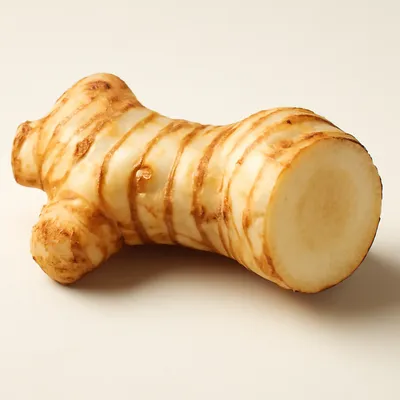
With a sharp, citrusy flavor and a hint of spice, galangal boasts a firm, fibrous texture that adds depth to dishes. Its invigorating aroma evokes ginger but with a more complex, earthy profile, making it indispensable in Southeast Asian cooking.
Where it comes from
Galangal has been a culinary staple in Thai, Indonesian, and Malaysian cuisines for centuries, often used in traditional herbal medicine as well. Its distinct flavor profile sets it apart from its relative, ginger.
In the kitchen
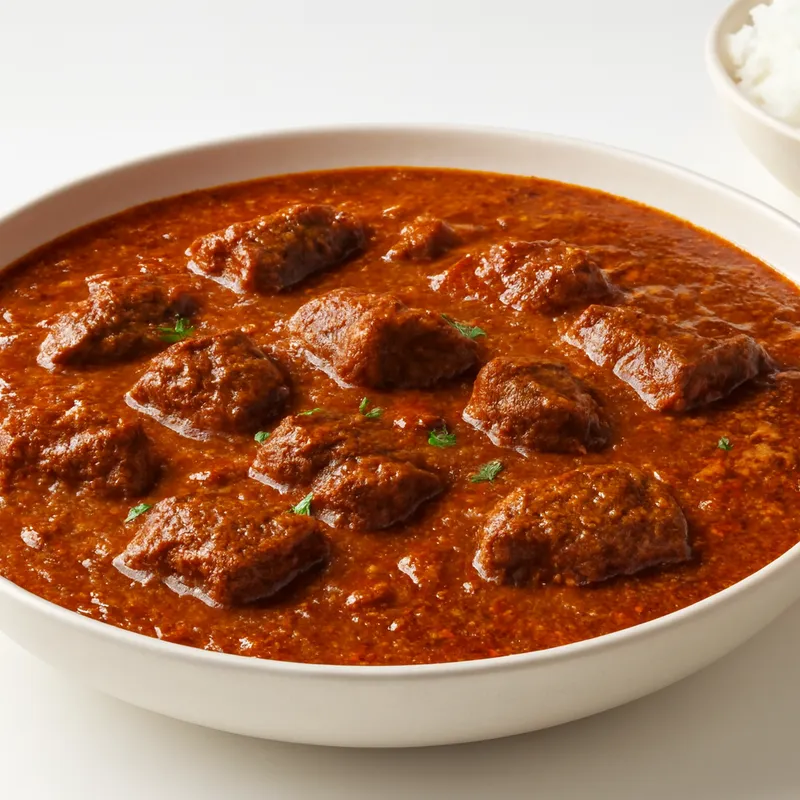
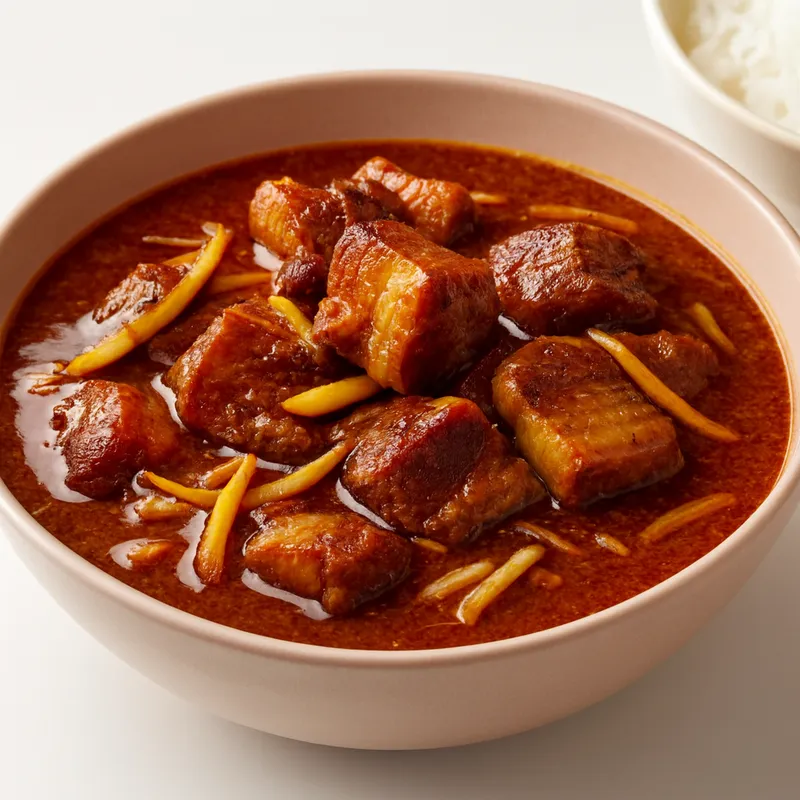
Used fresh or dried, galangal enriches soups, curries, and sauces, providing a warm, aromatic base. Its robust flavor stands up to bold ingredients, enhancing the overall complexity of a dish.
Across cuisines
Greater galangal (kha) is used in two forms in Thai cooking: sliced coins simmered in tom kha gai (coconut milk galangal soup) where it flavors the broth without being eaten—thicker and woodier than ginger; and pounded into curry pastes (gaeng hang lay, panang, gaeng tai pla) where it provides a sharp piney note distinct from ginger. Southern Thai curries use higher quantities than Bangkok-style.
Galangal (lengkuas) is a structural ingredient in nearly every Indonesian bumbu paste. Rendang uses both galangal and ginger; bebek betutu packs the spice paste heavily with lengkuas for its characteristic earthy-medicinal depth. Soto ayam uses sliced galangal in the broth. Padang-style sate padang sauce is thickened with a bumbu that includes lengkuas.
Assam laksa relies on lengkuas in the fish paste rempah—along with lemongrass and turmeric, it creates the savory base for the tamarind fish broth. Beef rendang (Malaysian) includes galangal in the spice paste alongside kerisik (toasted coconut). Otak-otak (grilled spiced fish paste) uses lengkuas for a distinctive fragrance in the banana-leaf-wrapped preparation.
Notable varieties
The primary culinary galangal. Firm, white-pink flesh; sharp piney-citrus flavor. Must be sliced thin or pounded—too fibrous to grate effectively. Dried slices used in some Indian and Persian preparations.
Thinner, finger-like rhizomes with a milder, more medicinal flavor. Used in Thai pad cha (stir-fry) and Balinese jamu. Sometimes called 'Chinese keys' or fingerroot in English.
Nutrition (per 100g)
AI-estimated; model and run unavailable.
Pairs well with