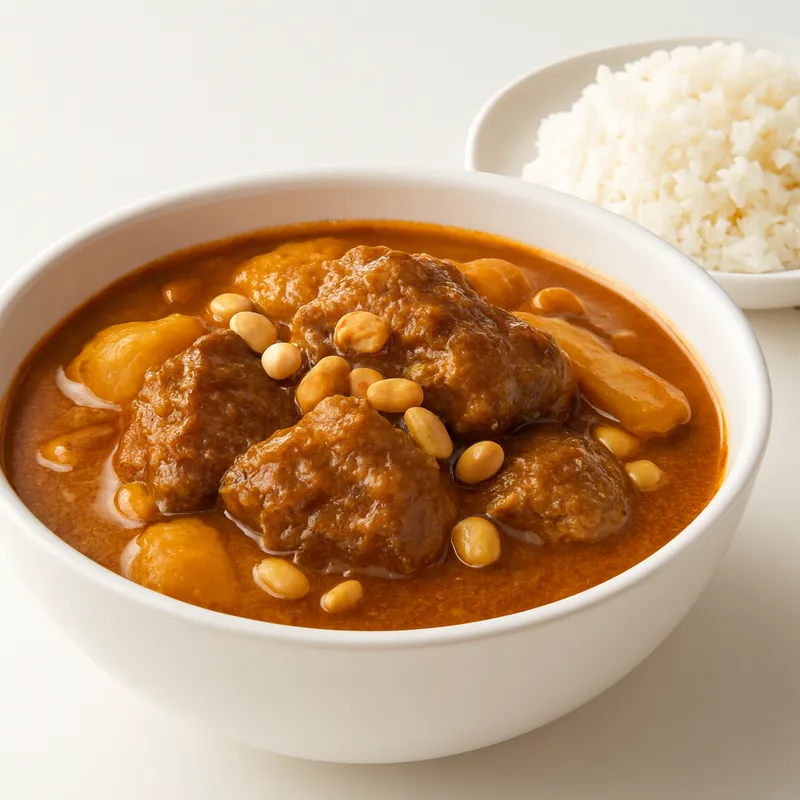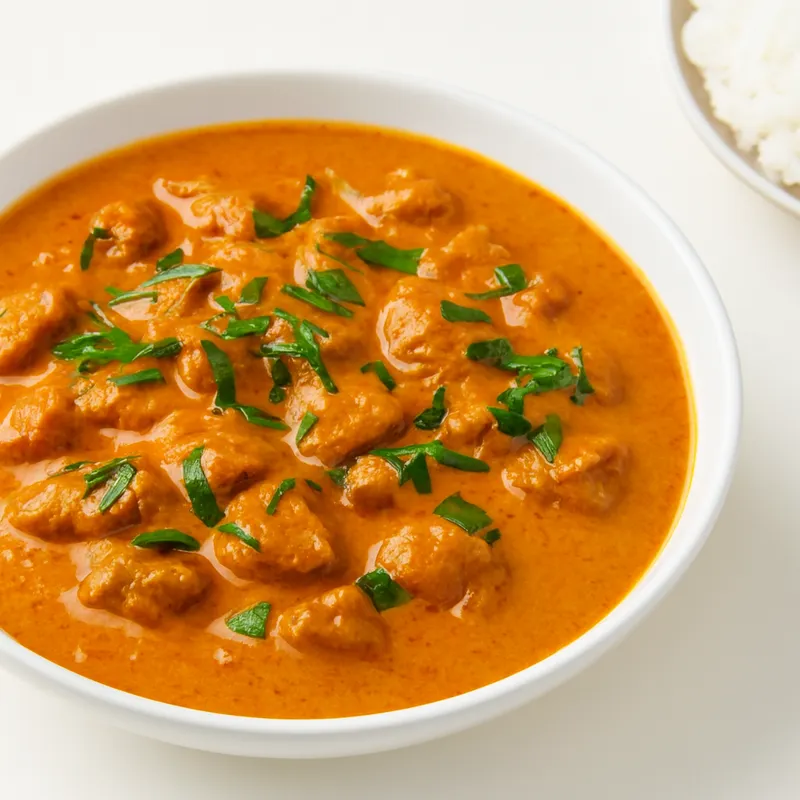
Thick, rich Thai red curry with peanuts, kaffir lime, and coconut cream, less soupy and more concentrated than other curries.


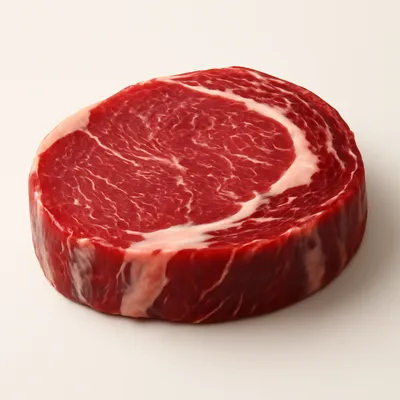

Originated in central Thailand, not the Malay peninsula. The Penang connection is a popular folk etymology based on the similar sound; the better-documented derivation is from Khmer 「phanaeng」 meaning 「crossed」 (cross-legged). The dish is first recorded in the 1889 Thai cookbook Tam Raa Kap Khao as kai phanaeng, where a whole chicken was trussed with its legs crossed and grilled upright while being repeatedly basted with curry paste, then finished with coconut cream — the cross-legged posture gives the dish its name. The recipe was later simplified into a pot curry. The roasted peanuts and drier consistency do echo Malay-Indian curry technique.
Thicker, sweeter, drier than red curry — coconut cream reduced until oil splits, ground roasted peanuts in the paste. Name disputed: Penang island, or the Khmer word for crossed legs.
A thick, almost paste-like red curry — the sauce should cling to the back of a spoon and not run. Beef or chicken simmered until tender in coconut cream and a curry paste enriched with ground roasted peanuts. Kaffir lime leaves shredded fine on top, a few slivers of red chili. Served with rice, never with extra liquid; if it pools, it's a regular red curry mislabeled.
Coconut cream — not coconut milk — is fried first until it splits and the oil rises (「broken cream」, hua kati taek), then the curry paste fries in that oil before liquid joins. Skipping the split is the most common error in non-Thai kitchens; without it, the curry tastes raw and the surface never gets that red-orange oil sheen Panang depends on visually.
Variations
Panang nuea (beef, classic); panang gai (chicken); Southern Thai version is hotter with more shrimp paste; modern Bangkok restaurants serve it dry-ish over rice rather than as a soup curry.
On the Palate
Where Panang Curry sits in the Thai flavor cloud
Crack the coconut cream first — fry it alone until the oil beads out and the surface goes glossy (hua kati taek), then bloom the curry paste in that hot fat before any thin milk goes in; dump paste into cool coconut milk and the curry tastes raw and never gets its red-orange oil sheen.
Ingredients

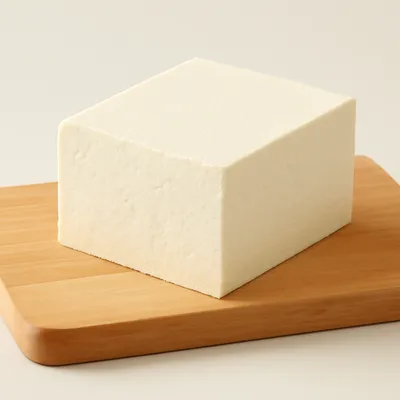

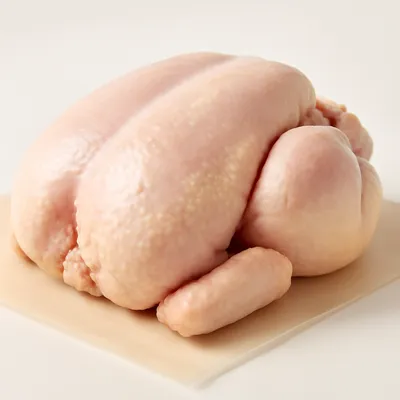

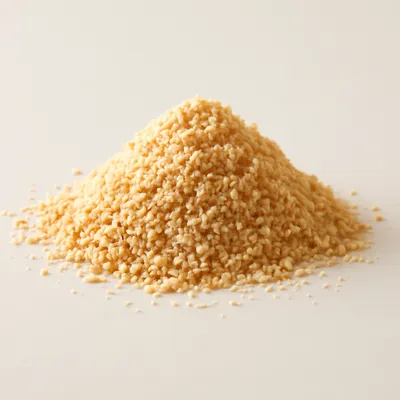
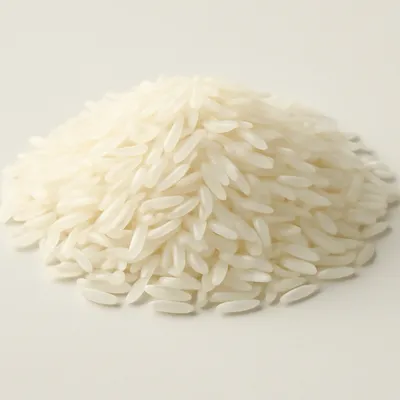

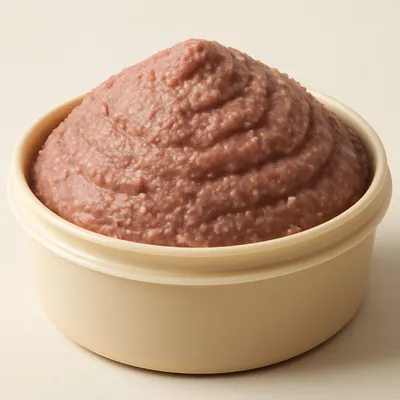

How it's made
5 steps · 22 min
- 14 min
In a large pan, heat a spoonful of thick coconut milk over medium heat until it starts to separate and sizzle. Add the curry paste and stir-fry until the aroma fills the kitchen, and the paste darkens slightly.
Watch outWatch the cream, not the clock: it's ready when the fat beads out, the surface turns glossy, and the paste stops smelling raw and green — about two minutes.
- 25 min
Add your choice of meat, stirring to coat it thoroughly in the paste. Cook until the meat is browned and fragrant, about 5 minutes.
Watch outEnsure the meat is evenly coated to avoid uneven cooking.
- 310 min
Pour in the remaining coconut milk, stirring gently to combine. Let it simmer until the sauce thickens and the meat is tender, about 10 minutes.
Watch outKeep it at a bare simmer with only a few bubbles — a hard boil here splits the coconut and the sauce goes oily instead of creamy.
- 42 min
Finish with a sprinkle of finely shredded kaffir lime leaves and a handful of ground peanuts for texture. Stir to combine and let the flavors meld for another 2 minutes.
Watch outThe sauce should be thick enough to coat the meat with a red-orange oil sheen, not sit thin and pale — that glossy slick is the Panang signature.
- 51 min
Serve the curry hot, with steamed jasmine rice on the side to soak up the rich, creamy sauce.