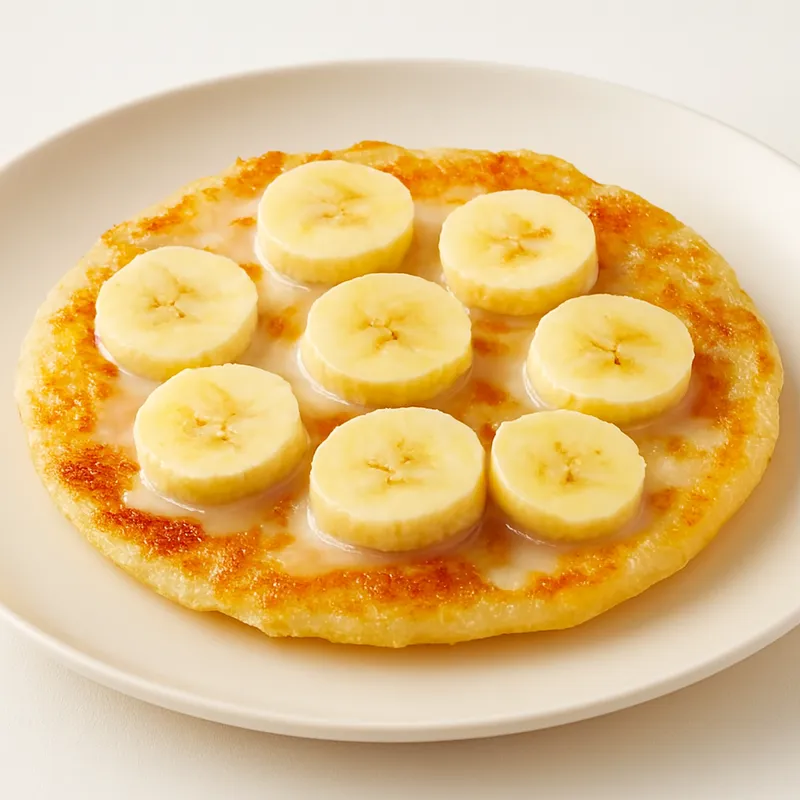
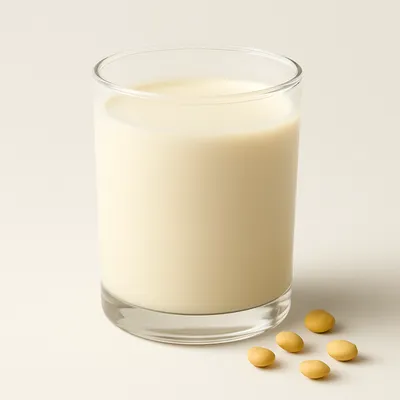
Thai-Chinese deep-fried wheat-flour dough sticks, sold in joined pairs at morning markets — eaten dipped in sweetened condensed milk, pandan custard (sangkhaya), or with hot soy milk.



Pa Tong Ko is Thailand's adaptation of the Chinese youtiao (you-cha-kway in Teochew), brought by southern Chinese immigrants to Bangkok in the 19th century. The Thai name itself derives from a different Chinese pastry, baak tong gou (a steamed sugar cake), but in Thailand the name stuck to the fried dough sticks instead — a linguistic mix-up that solidified. Sold from streetside woks in pairs at morning markets across central Thailand, eaten with hot soy milk in cups or dipped in sweet pandan custard.
Thailand's adaptation of Chinese youtiao, brought by 19th-century southern Chinese to Bangkok. The Thai name is a linguistic mix-up — it actually came from baak tong gou (a different steamed cake) and stuck to the wrong dough.
Two joined sticks the length of a hand, golden-blistered outside and almost hollow inside — pull them apart and steam rises. The crust shatters between teeth; the interior is soft, slightly chewy, faintly salty. Dip a piece in cold sweetened condensed milk and the contrast of hot crisp dough with cold dairy sweetness is the morning ritual. A bad pa tong ko is dense and oily — should be light enough to feel hollow in the hand.
The cold overnight rest is non-negotiable — it relaxes gluten enough that the strips don't snap back when stretched, and lets the leavening gases form the large open holes inside. Baking ammonia (yeast/bread shop ingredient sold as hartshorn or hua-aam in Chinese) is the traditional puffer; it gives the maximum lift and a slightly sharp note that bakes off. The two-strip pairing isn't decorative — the pressed-together faces never touch the hot oil, so they don't set on contact and stay soft, while steam and gases escaping between the layers keep that join inflating outward — which is what creates the hollow.
Variations
Trang's morning version pairs with hot kopi-O coffee; Bangkok's standard pairing is sweetened soy milk and pandan custard; smaller bite-sized pa tong ko jiew is a Yaowarat night-market variant; sister Chinese youtiao runs longer and saltier.
On the Palate
Where Pa Tong Ko sits in the Thai flavor cloud
Ingredients
Serves 6

How it's made
6 steps · 40 min active + 9 hours 20 min waiting
- 110 min
Mix 500g all-purpose flour, 1 tsp baking soda, 1 tsp baking powder, 1 tsp baking ammonia (or extra 1/2 tsp baking powder), 1.5 tsp salt, 1 tbsp sugar in a bowl. Whisk into 320ml warm water with 30g lard or vegetable oil until shaggy.
- 25 min
Knead briefly until smooth; rest covered 30 minutes. Knead again, fold; rest 30 minutes more. The dough should be soft and slightly sticky — wetter than bread dough.
Watch outMix the dough only to a shaggy, soft, slightly sticky mass — wetter than bread dough; a stiff dough won't puff hollow.
- 35 min
Oil a tray, lay the dough on it, brush the top with oil; cover with plastic and refrigerate 8 hours or overnight. The long cold rest is what gives the airy interior.
Watch outThe overnight cold rest is non-negotiable — it relaxes the gluten so the strips stretch without snapping back and the inside blows open airy.
- 48 min
Roll the dough on an oiled board into a strip 1cm thick, 4cm wide. Cut crosswise into 1cm strips. Stack two strips, press a chopstick lengthwise down the centre to seal them — they will fry as one joined pair.
- 510 min
Heat oil to 190°C in a wok. Stretch each pair gently to 15cm and lower in head-first. They will puff and curl within 5 seconds. Turn constantly with chopsticks until golden all over — about 90 seconds. Drain on a rack.
Watch outAt 190°C the paired strips puff and curl within about 5 seconds — if they sit flat, the oil's too cool; turn constantly so they gold evenly.
- 62 min
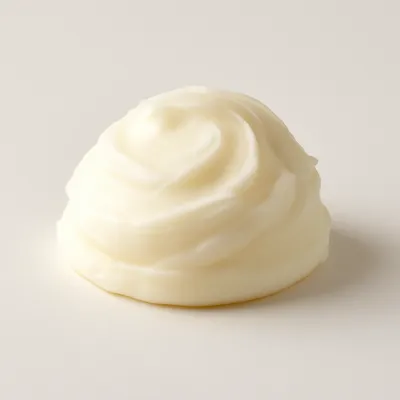
Serve hot, broken in half, with small bowls of sweetened condensed milk, pandan custard (sangkhaya), or alongside hot unsweetened soy milk (nam tao hu).