Northern minced-pork or beef larb seasoned with a complex Lanna spice powder (cinnamon, makhwen pepper, mace, cumin, turmeric) — no lime juice, slightly bitter from raw blood, served with sticky rice and raw vegetables.
Lap Lanna predates the better-known Isaan larb; both descend from a wider Tai-language tradition of raw or barely-cooked spiced minced meat eaten with rice. The Lanna version is built around 「phong lap」, a regional spice blend that reflects centuries of overland trade with Yunnan and upper Burma — cinnamon, mace, and long pepper are not native Thai pantry items. Traditionally served at men's gatherings and weddings, often raw (lap dip); the cooked version (lap khua) is the household standard. Hand-chopping the meat fresh is non-negotiable in Chiang Mai households.
Predates the better-known Isaan larb. Built around phong lap, a 10-spice blend reflecting overland trade with Yunnan and upper Burma — cinnamon, mace, makhwen, long pepper. No lime juice — that's an Isaan move and locals will reject it.
Brown-black, almost dark cocoa color from the blood and spice powder — visually nothing like the pale, lime-bright Isaan larb. First taste is the spice: cinnamon, mace, the citrus-numbing tingle of makhwen, cumin behind. Then a faint bitter from the blood, a salt-base from fish sauce, no acid at all. Pork is hand-chopped so you feel small grain pieces, not a paste. The raw vegetables are functional — crunch and chew to break up the spiced meat. If it tastes sour, someone added lime — that's wrong for Lanna lap.
Two non-negotiables. One: phong lap is the dish — without that ten-spice powder you have a bland minced pork stir-fry. Toast each spice separately because they brown at different rates (cumin in 30 seconds, cinnamon in 3 minutes); a single-pan toast burns the small seeds. Two: no lime juice. The bitterness in lap Lanna comes from blood and spice, not acid. Adding lime turns it into a confused Isaan-Lanna hybrid that locals will reject on first bite.
Variations
Lap dip is the raw ceremonial version (men's gatherings, weddings); lap khua is the cooked household version; Chiang Mai's Huen Muan Jai serves both side-by-side; Phrae and Nan run heavier makhwen; Shan-village versions across the border add roasted-rice powder.
On the Palate
Where Lap Lanna sits in the Thai flavor cloud
Ingredients
Serves 4










How it's made
6 steps · 35 min active + 10 min waiting
- 112 min
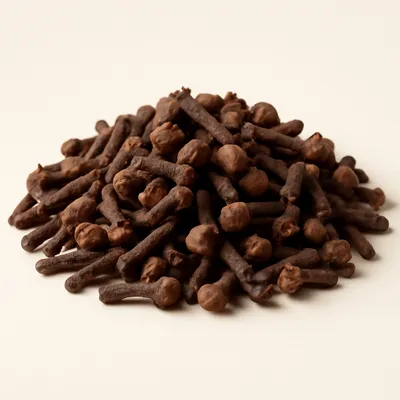
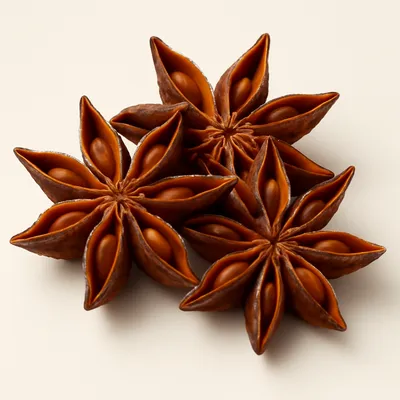
Toast lap spice (phong lap) ingredients separately in a dry pan over low heat: 1 cinnamon stick, 2 tsp coriander seed, 1 tsp cumin seed, 1 tsp makhwen (Northern Thai pepper), 6 cloves, 2 star anise points, 1 tsp dried mace, 1 tsp Sichuan-style long pepper, 4 dried chiles, 0.5 tsp turmeric powder. Cool, then grind to a fine powder.
Watch outToast each spice on its own — cumin browns in half a minute, cinnamon takes three; throw them in together and the small seeds scorch bitter before the bark colours.
- 24 min
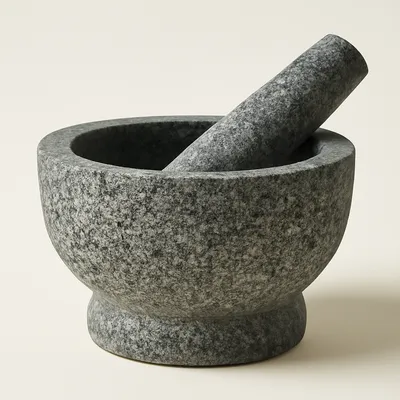
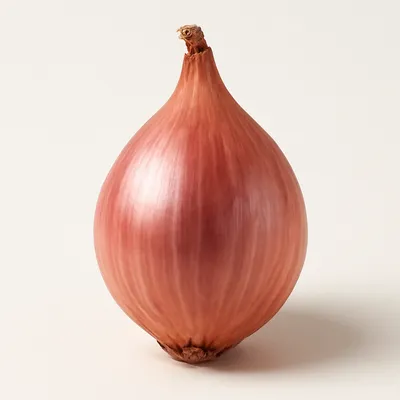
Pound 6 garlic cloves and 4 shallots in a mortar to a rough paste; reserve.
- 35 min
Heat 2 tbsp pork lard in a wok over high. Fry garlic-shallot paste 30 seconds, then add 500g freshly minced pork (hand-chopped, not machine — the texture matters). Stir-fry 4 minutes until just cooked through but still juicy, breaking up clumps.
Watch outStir-fry the hand-chopped pork just to done but still juicy, breaking up the clumps — cook it dry and hard and the lap loses its tender bite.
- 43 min
Off heat. Stir in 2 tbsp pork blood (raw, fresh) — it cooks instantly into the meat and turns it brown-black. Add 2 tbsp lap spice powder, 1.5 tbsp fish sauce, no lime. Taste; should be aromatic-bitter-salty, not sour.
Watch outStir the fresh blood in off the heat — it cooks into the meat instantly and turns it brown-black; and hold the lime, the bitterness here comes from blood and spice, not acid.
- 52 min
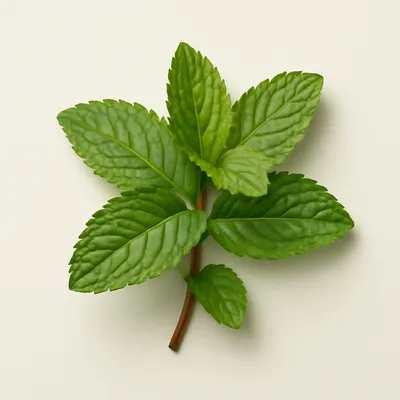
Stir through chopped sawtooth coriander, mint, and spring onion. Top with crispy fried garlic, fried dried chiles, and a sprinkle more spice powder.
- 62 min
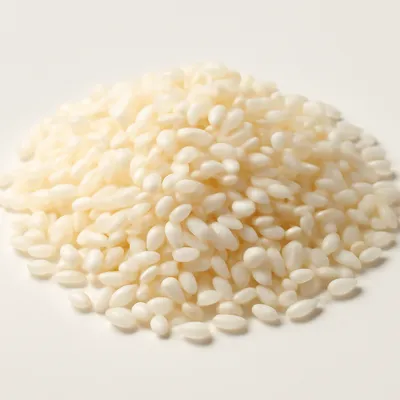
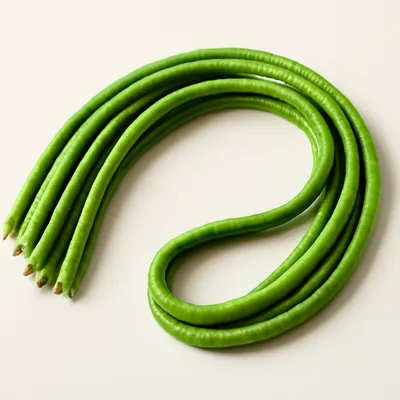
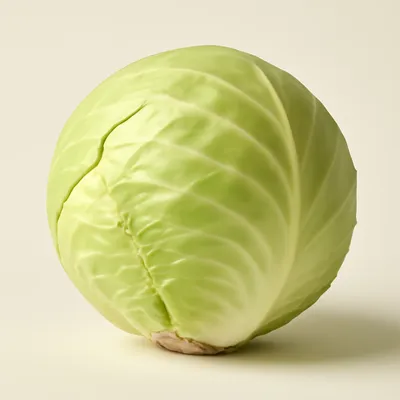
Serve with sticky rice, a plate of raw long beans, cabbage wedges, cucumber, and Thai basil. Diners scoop with rice or wrap in cabbage.
Archive tool suggestions — not reviewed
These legacy suggestions have not been evidence-reviewed and are not presented as required tools.