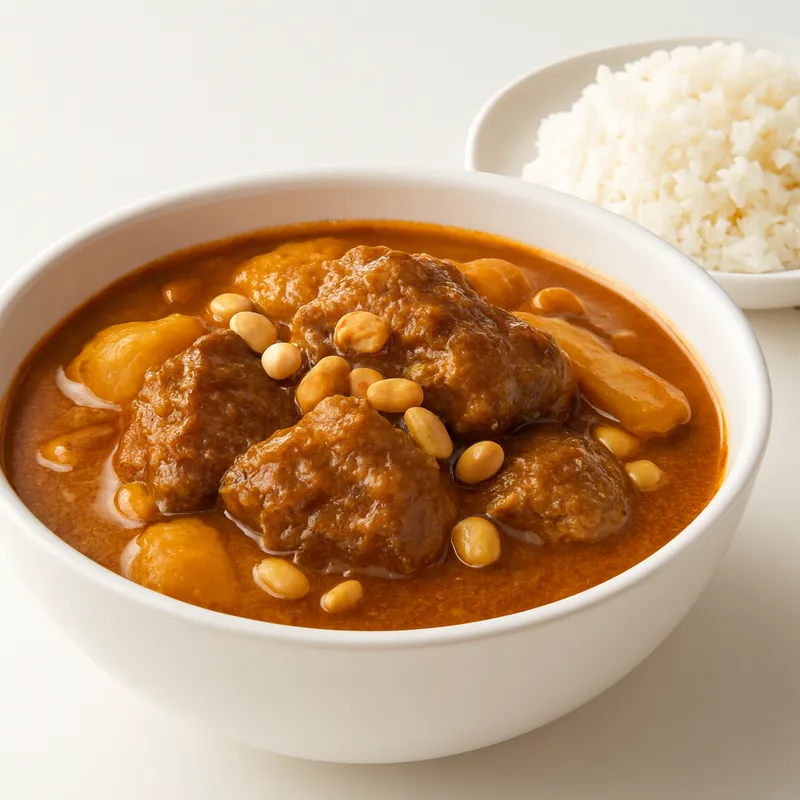
A gentle, sour Lanna soup of mustard greens simmered soft with pork ribs, soured with tamarind and given its Northern signature by thua nao, the fermented soybean disc that stands in for shrimp paste across much of the upland North. 「Cho」 is a Northern term for simmering a vegetable down slowly in broth, and 「phak kat」 is mustard greens. It is mild, clean, and comforting — a homestyle pot to round out a sticky-rice meal — and its identity rests on the leafy bitterness of mustard green meeting tamarind sourness over a savory thua-nao base.




Cho phak kat is an undated everyday Lanna soup, one of the simple vegetable-and-pork pots that anchor a Northern home meal. Its Northern fingerprint is thua nao — fermented soybeans pressed into thin sun-dried discs — which the upland North uses where Central and coastal Thailand reach for shrimp paste; thua nao is the inland, soybean-based answer to a sea-less region's need for fermented umami, and it ties this soup firmly to the Lanna and Tai Yai (Shan) larder rather than the central Thai one. 「Cho」 names the slow vegetable-simmer technique, and beyond that the soup carries no inventor or date — it is the kind of dish that exists wherever mustard greens, pork bones, and a tamarind tree are at hand.
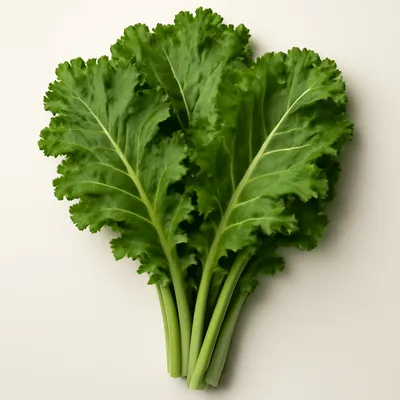
A clear-to-cloudy broth, sour and savory, with mustard greens stewed all the way to silky-soft and pork ribs falling off the bone. The mustard green carries a gentle leafy bitterness that mellows as it simmers; tamarind threads a clean fruit-sour through the broth; and the thua nao lays down a deep, roasty, miso-like savoriness that is rounder and earthier than shrimp paste, without the marine funk. It is mild and soothing rather than fiery — a soup you drink to balance the heat of the nam prik and larb beside it. The greens should be meltingly tender; crisp, raw-tasting mustard means it hasn't simmered long enough.
Two flavor moves define it. First, the thua nao must be toasted before it goes into the pot — the dried soybean disc is grilled or dry-roasted over a flame until fragrant and brittle, which deepens its roasty aroma and lets it dissolve into the broth; raw thua nao tastes flat and reads dusty. Second is timing the sour: the pork ribs are simmered long and gently first to build a savory stock and tenderize the meat, then the mustard greens go in to stew down, and the tamarind is added toward the end — added too early, prolonged boiling dulls and flattens its bright fruit-acidity. The mustard green does double duty, seasoning the broth with its own faint bitterness as it softens. No coconut, no curry paste — this is a clear Northern simmer, not a curry.
Variations
Pickled (sour) mustard greens can replace fresh ones for a sharper, ready-made tang, in which case less or no tamarind is needed. Pork ribs are usual, but pork neck, trotter, or a chicken carcass also serve; dried chili may be added for a little heat. Some cooks deepen it with a knob of pounded chili-shallot paste, edging it toward a kaeng. Where thua nao is unavailable, shrimp paste is substituted, though the soup then loses its distinctly inland Northern character.
On the Palate
Where Cho Phak Kat sits in the Thai flavor cloud
Ingredients
Serves 4
How it's made
7 steps · 20 min active + 55 min waiting
- 14 min
Toast the thua nao (fermented soybean disc) over a flame or in a dry pan until fragrant and brittle, then crumble.
Watch outToast the fermented soybean disc until it smells nutty-roasty and snaps brittle; raw thua nao tastes flat and dusty and won't dissolve cleanly into the broth.
- 245 min
Simmer the pork ribs gently in water, skimming, until a savory stock builds and the meat begins to tenderize.
- 32 min
Stir the crumbled toasted thua nao into the broth to dissolve.
- 412 min
Add the chopped mustard greens and simmer until they soften and stew down.
- 53 min
Add tamarind paste toward the end and season with fish sauce and salt to balance sour and savory.
Watch outAdd the tamarind only near the end; boiled too long its bright fruit-sourness turns dull and flat, so stir it in and let it warm through, then taste.
- 68 min
Simmer briefly until the greens are meltingly tender and the ribs are falling off the bone.
- 71 min
Taste, adjust the sourness, and serve hot with sticky rice.