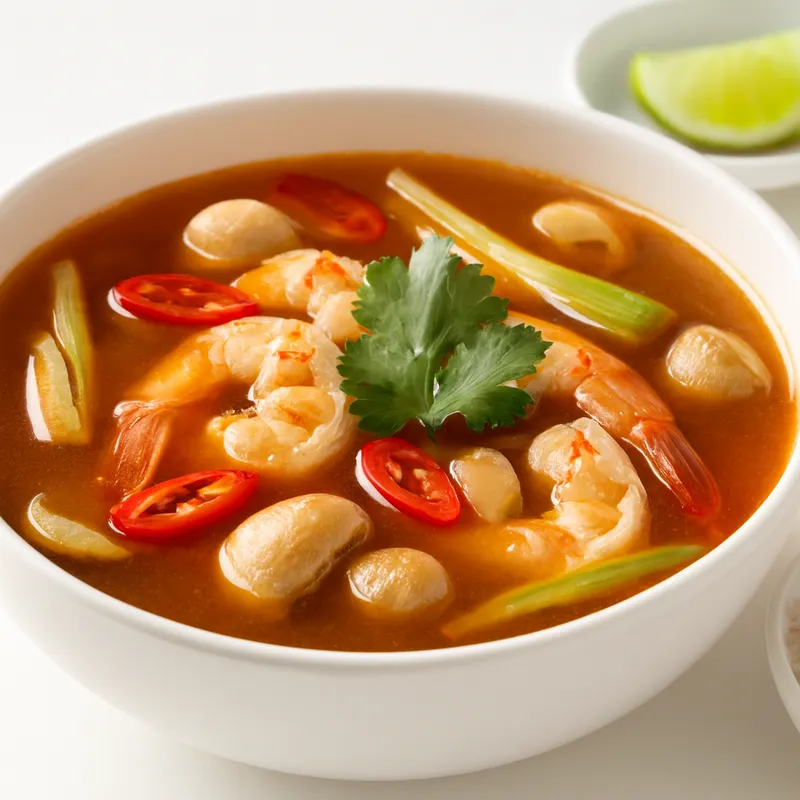
Gaeng lueang is the Southern Thai sour curry — a thin, coconut-free broth stained saturated yellow by fresh turmeric and driven by a pounded chili paste, simmered with fish and a tart-sweet vegetable or fruit. Southerners call it kaeng som, the same name central Thais use for their own orange-red version; to avoid confusion the rest of the country calls the southern dish kaeng lueang ("yellow curry") or kaeng som phak tai. It is built on a paste of fresh turmeric, bird's-eye chilies, shallot, garlic, and shrimp paste, soured with tamarind and lime and often sweetened by pineapple, and it runs hotter, more turmeric-earthy, and saltier than the central curry. Common pairings are firm white fish — snapper, sea bass, or mackerel — with bamboo shoot, green papaya, or pineapple. This is not gaeng tai pla, the murky fermented-fish-gut curry that is the south's other signature pot.


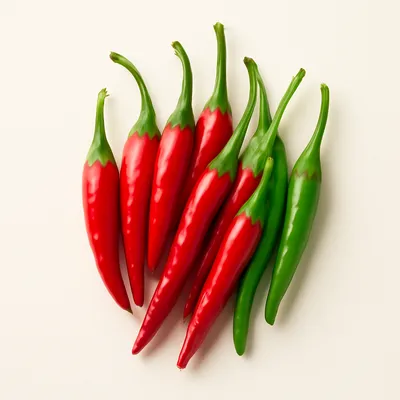
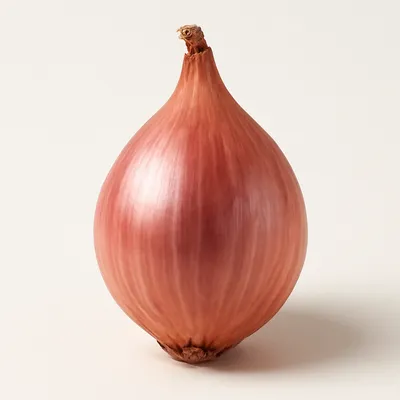

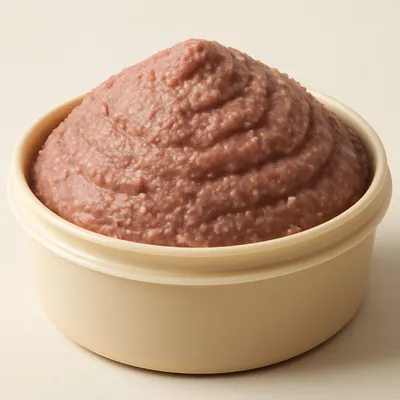
Gaeng lueang has no recorded inventor or founding date; it is the everyday sour curry of southern Thailand, where the heavy use of fresh turmeric and shrimp paste defines the regional kitchen. The name marks a regional distinction rather than a different dish family: in the south the curry is simply kaeng som ("sour curry"), while elsewhere in Thailand it is renamed kaeng lueang ("yellow curry") or kaeng som phak tai ("southern sour curry") to set it apart from the central Thai kaeng som, which is orange-red and contains no turmeric. Sour, chili-heated water curries of this type belong to a long-standing Thai idiom; the pounded fresh-chili paste reflects the spread of New World chilies through mainland Southeast Asia in the centuries after Portuguese contact, with tamarind and other local souring agents older still, though no precise dating for this specific curry is documented.
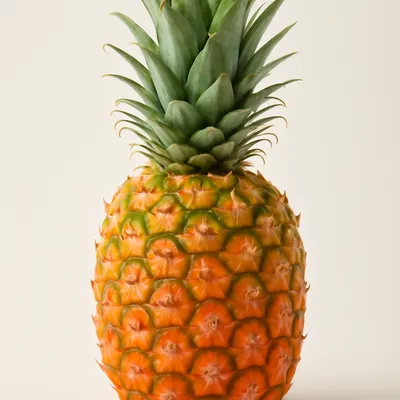
The first taste is a wallop of sour and salt riding a heat that builds and lingers at the back of the throat; the south's version is meant to be aggressively spicy, sour enough to make the cheeks tingle. Beneath that runs the deep, earthy, faintly bitter warmth of fresh turmeric, which also gives the broth its glowing opaque yellow. The fish is just-set and clean-tasting, the broth thin and slick rather than creamy — there is no coconut milk to soften any edge. Pineapple, if used, drops sweet-tart bursts that round the acid; green papaya instead keeps it lean and sharp. Shrimp paste hums underneath as a salty, marine savor that holds the sour and hot together.
Fresh turmeric, not powder, is essential: its color and flavor come from curcumin and from volatile aromatic oils (turmerones) that are largely driven off in the drying and grinding that make powder, so fresh root delivers a brighter, earthier, more vivid yellow with a citrusy edge. Curcumin is fat-soluble and stains strongly, which is why pounding the root raw into the paste — releasing its oils into the chili, shallot, garlic, and shrimp paste — colors the whole broth. With no coconut milk to carry the paste, the curry is built on water, so body and depth come from a small amount of fish (or shrimp paste) pounded or cooked into the broth and from the paste itself; many cooks fry the paste briefly in a little oil first, or simply boil it straight in seasoned water, then drop in the fish. Tamarind is added after the paste blooms, not before, because acid hinders the aromatics from extracting into the hot fat-free liquid; lime is squeezed in at the end for fresh, volatile sharpness, and shrimp paste (used more heavily here than in the central curry) supplies glutamate-rich umami and salt. Turmeric's natural bitterness is deliberately balanced by the tamarind acid and a touch of sugar or the sweetness of pineapple.
Variations
The defining contrast is the central Thai Kaeng Som: orange-red rather than yellow, soured chiefly with tamarind, built on a paste of dried red chili and shallot with no turmeric, often thickened by cooked freshwater fish pounded into the paste, and milder and more sweet-sour than fiery. Gaeng lueang flips every axis — fresh turmeric for a saturated yellow, fresh bird's-eye chilies for far more heat, and shrimp paste used more generously. Within the south the souring agent varies: tamarind, lime, or the dried sour fruit som khaek (asam gelugor). The vegetable or fruit is the other variable — pineapple for sweet-tart roundness, green papaya or bamboo shoot for a leaner, sharper pot, or lotus stems and other local greens. It should not be confused with gaeng tai pla, the south's pungent curry built on fermented fish innards, which is muddy-brown rather than clear turmeric-yellow.
On the Palate
Where Gaeng Lueang sits in the Thai flavor cloud
Ingredients
Serves 4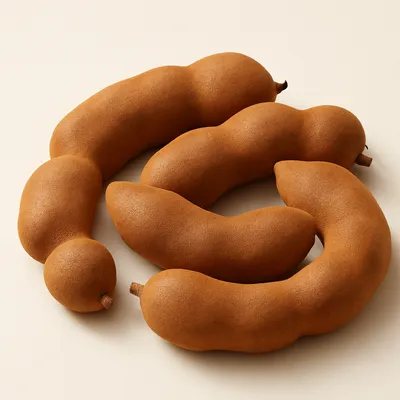

How it's made
6 steps · 25 min active + 10 min waiting
- 112 min
Pound fresh turmeric, bird's-eye chilies, shallot, garlic, and shrimp paste to a fine paste in a mortar.
Watch outUse fresh turmeric root, not powder, and pound it raw into the paste — the fresh root's oils are what stain the broth vivid yellow and give the citrusy edge.
- 26 min
Bring water to a boil and stir in the paste (or fry the paste briefly in a little oil first, then add water); simmer until fragrant.
- 35 min
Season with fish sauce and a little sugar, then add the firm vegetable or pineapple and simmer until just tender.
- 46 min
Slide in the fish pieces and simmer gently until just cooked through, without stirring hard so they stay intact.
Watch outSlide the fish in and simmer gently without hard stirring — this coconut-milk-free curry is thin, so rough handling breaks the fish into pieces.
- 52 min
Stir in tamarind to taste once the broth is aromatic; adjust salt, sour, and heat.
- 61 min
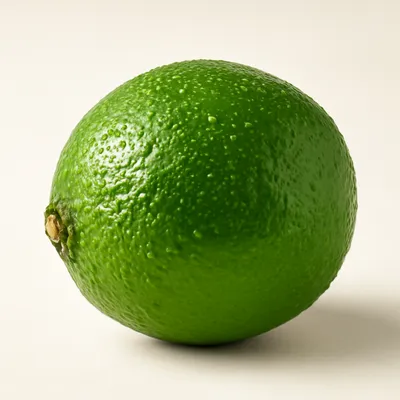
Squeeze in lime off the heat and serve hot with steamed rice.