A rich Madurese broth built on kokot — cow's trotter and tendon — simmered for hours until the gelatin turns the soup unctuous, then served with whole green mung beans and slices of lontong rice cake. The long cook draws collagen from the foot into a thick, savory broth, the mung beans add an earthy bite, and the rice cake soaks it all up. Most associated with Sumenep at Madura's eastern end, it is a hearty, humble soup that turns the cheapest cut into something deeply satisfying.
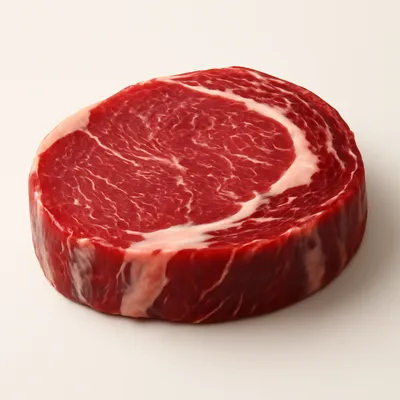
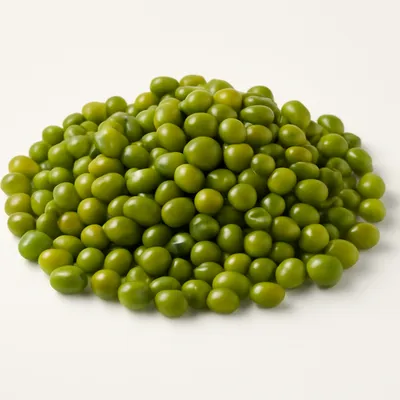


Kaldu kokot is closely tied to Sumenep, the regency at the eastern end of Madura, where long-running stalls have served it for decades. Its character is rooted in thrift and in local Muslim sensibility: it is built from a cow's foot — an inexpensive, humble cut — together with mung beans and rice, and the dish has been noted as part of recognized regional culinary heritage. Some accounts read a quiet symbolism into its ingredients, the low-growing bean and the lowly foot taken as emblems of humility, though such readings sit alongside its simpler everyday role as a warming, filling soup.
The broth is thick and lip-coating from the dissolved trotter gelatin, beefy and clean rather than spicy. Bite into the kokot and the skin and tendon are jelly-soft, yielding with the faintest resistance after their long simmer. The green mung beans hold their shape and add a gentle, earthy chew that breaks up the richness, while the lontong cubes turn slippery as they soak up the broth. A squeeze of lime and a spoon of sambal sharpen what is otherwise a deep, comforting warmth.
The dish lives on collagen conversion: a cow's trotter is dense with connective tissue, and hours of gentle simmering hydrolyze that collagen into gelatin, which dissolves into the water and gives the broth its signature body and lip-stickiness without any thickener. Keeping the heat low and skimming preserves a clean, savory broth rather than a greasy one. Mung beans are cooked until just tender so they hold together rather than disintegrating, and the lontong — rice compressed and boiled in a leaf packet until firm — is sliced in at the end to absorb the gelatin-rich liquid.
Variations
Cuts and additions vary: some bowls are mostly tendon and skin, others include chunks of beef or extra offal alongside the trotter. The starch can be lontong or, in some versions, cassava or rice cooked into the dish. Stalls finish it differently — fried shallots, scallion, sambal and lime are common — and the consistency ranges from a lighter broth to one so reduced it almost sets when cool.
On the Palate
Where Kaldu Kokot sits in the Indonesian flavor cloud
Ingredients
Serves 4
How it's made
8 steps · 35 min active + 2 hours 55 min waiting
- 115 min
Clean and blanch the cow's trotter and tendon to remove impurities, then drain.
- 2150 min
Simmer the kokot in fresh water over low heat for two to three hours, skimming, until the skin and tendon are jelly-soft and the broth is gelatinous.
Watch outSimmer the trotter low two to three hours until the skin and tendon go jelly-soft and the broth turns sticky on the lips — that dissolved gelatin is the whole body of the soup, no thickener needed.
- 38 min
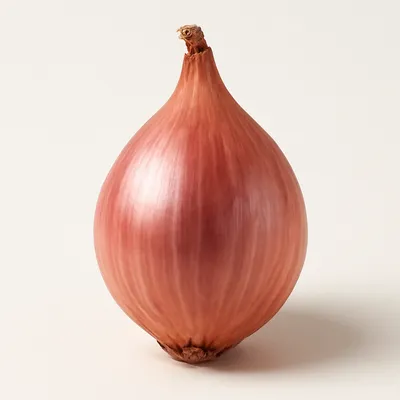
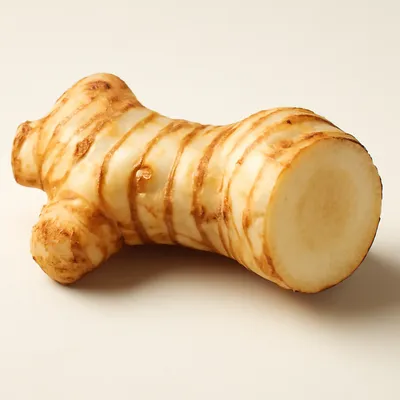
Bruise lemongrass and ginger and add aromatics — shallot, garlic, galangal — to the pot.
- 430 min
Separately boil the green mung beans until just tender but still whole.
Watch outBoil the mung beans only until just tender so they stay whole — cook them soft and they burst and cloud the clear broth.
- 58 min
Season the broth to a clean, savory balance and add the cooked mung beans.
- 65 min
Slice the lontong rice cake into cubes.
- 75 min
Ladle the hot broth, kokot and mung beans over the lontong in bowls.
- 84 min
Finish with fried shallots, scallion, sambal and a wedge of lime.
Archive tool suggestions — not reviewed
These legacy suggestions have not been evidence-reviewed and are not presented as required tools.