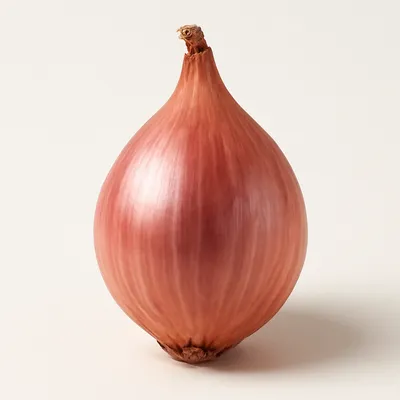
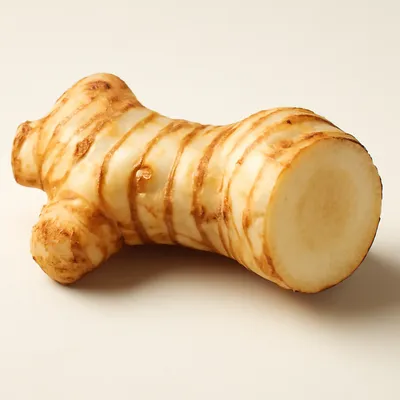
A clear beef soto from Madura and East Java — brisket and offal (tripe, intestine and sometimes lung) simmered with shallot, garlic, ginger, galangal and lemongrass into a thin, fragrant broth, served over rice or vermicelli with boiled egg, bean sprouts, scallion, fried shallots and a wedge of lime. Many East-Javanese stalls finish the bowl with koya, a sprinkle of ground prawn crackers and fried garlic that thickens the broth and lifts its savor. It is the lighter, clear-broth counterpart to the coconut-rich sotos of Jakarta and Padang.




Though it bears the name of Madura, the island off northeast Java, the soto as widely known today is often traced to Madurese migrants in Surabaya — the lineage usually cited is the mid-20th-century 'Soto Sulung,' opened by a Madurese vendor that gave its name to a clear-broth offal-and-brisket style. On the island and across East Java the broth is kept clear and aromatic rather than coconut-thickened, a frugal, spice-led soup built on slow-simmered beef. The koya topping of ground crackers and fried garlic is an East-Javanese trademark that thickens and deepens the bowl.
The broth is light on the tongue but carries a warm undercurrent of ginger, galangal and lemongrass, clean rather than creamy. A spoonful brings meltingly tender brisket, then a piece of tripe or intestine — chewy, broth-soaked, deeply savory. Bean sprouts add crunch, egg adds richness, and where koya is sprinkled the surface turns subtly thick and toasty with prawn-cracker umami. A squeeze of lime and a dab of sambal swing it from gentle warmth to sharp and bright.
Keeping the broth clear depends on a gentle simmer and skimming rather than a hard boil, so collagen from the brisket and offal dissolves slowly to give body without clouding. The aromatics — shallot, garlic, ginger, galangal, lemongrass and kaffir lime leaf — are bruised and simmered to release their oils into the water rather than fried into a thick paste. Koya works as a finishing thickener: dried prawn crackers and fried garlic are pounded together, and once sprinkled in they swell and disperse, lending starch-bound body and a concentrated toasted-shrimp savor at the table.
Variations
Some East-Javanese cooks tint the broth pale yellow with turmeric, while the island and Surabaya 'Sulung' style keep it clear. Offal proportions vary by stall — all brisket for a milder bowl, or a full mix of tripe, intestine and lung for the traditional version. It is served over steamed rice, over rice vermicelli, or with lontong, and the koya sprinkle is optional but characteristic in East Java.
On the Palate
Where Soto Madura sits in the Indonesian flavor cloud
Ingredients
Serves 4

How it's made
8 steps · 40 min active + 1 hour 20 min waiting
- 170 min
Boil beef brisket and cleaned offal until tender, skimming the surface to keep the broth clear; lift out and slice the meat.
Watch outKeep the broth at a bare simmer and skim, never a rolling boil — a hard boil clouds it; gentle heat lets the collagen dissolve clear.
- 28 min
Bruise lemongrass, galangal and ginger; peel garlic, shallot and kaffir lime leaf.
- 38 min
Saute the shallot and garlic lightly, then return them with the bruised aromatics to the simmering broth.
- 410 min
Simmer gently so collagen dissolves and the spices infuse, seasoning to a clean, savory balance.
- 55 min
Pound dried prawn crackers with fried garlic into koya powder.
- 68 min
Blanch bean sprouts and boil the eggs.
- 75 min
Assemble bowls over rice or vermicelli with sliced beef, offal, sprouts and egg; ladle over the hot broth.
- 85 min
Finish with scallion, fried shallots, a sprinkle of koya, sambal and a wedge of lime.
Watch outSprinkle the koya on at the table just before eating — it swells and thickens the broth on contact and loses its punch if it sits.
Archive tool suggestions — not reviewed
These legacy suggestions have not been evidence-reviewed and are not presented as required tools.