Kaffir Lime Leaf
Kaffir lime leaves deliver a sharp, zesty aroma with a hint of spice, evoking the essence of Southeast Asian cuisine. Their leathery texture and bright flavor add a unique freshness, elevating dishes with a vibrant, aromatic quality.
Where it comes from
An essential component of Thai and Indonesian cooking, kaffir lime leaves have been used for centuries in both culinary and medicinal applications. Their distinct fragrance is synonymous with the region's rich culinary traditions.
In the kitchen
Kaffir lime leaves are often used whole in soups and curries to infuse flavor, then discarded before serving. Their aromatic oils enhance marinades and stir-fries, creating a multi-dimensional flavor experience.
Across cuisines
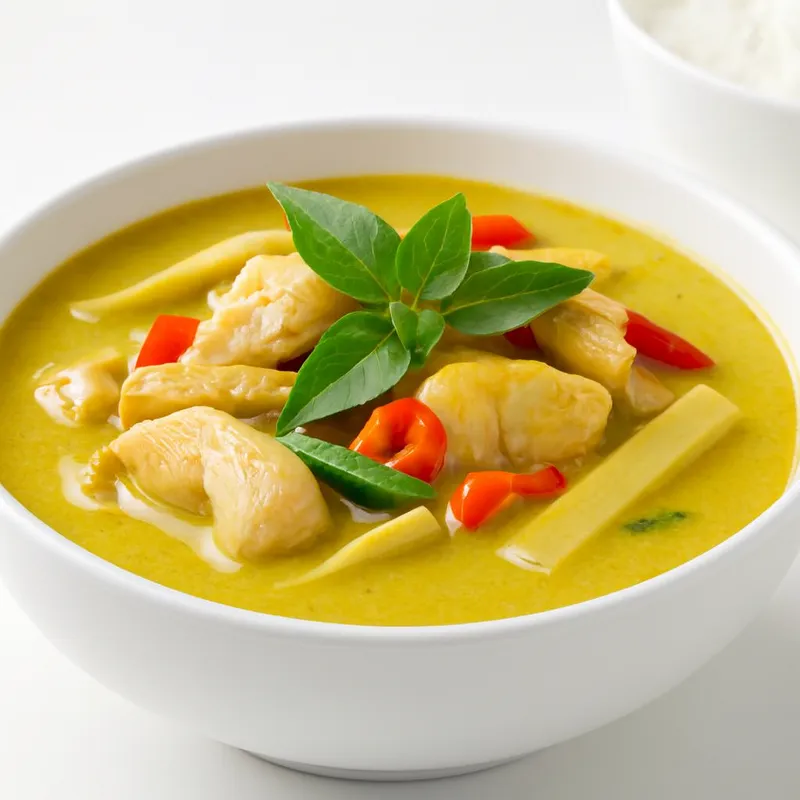
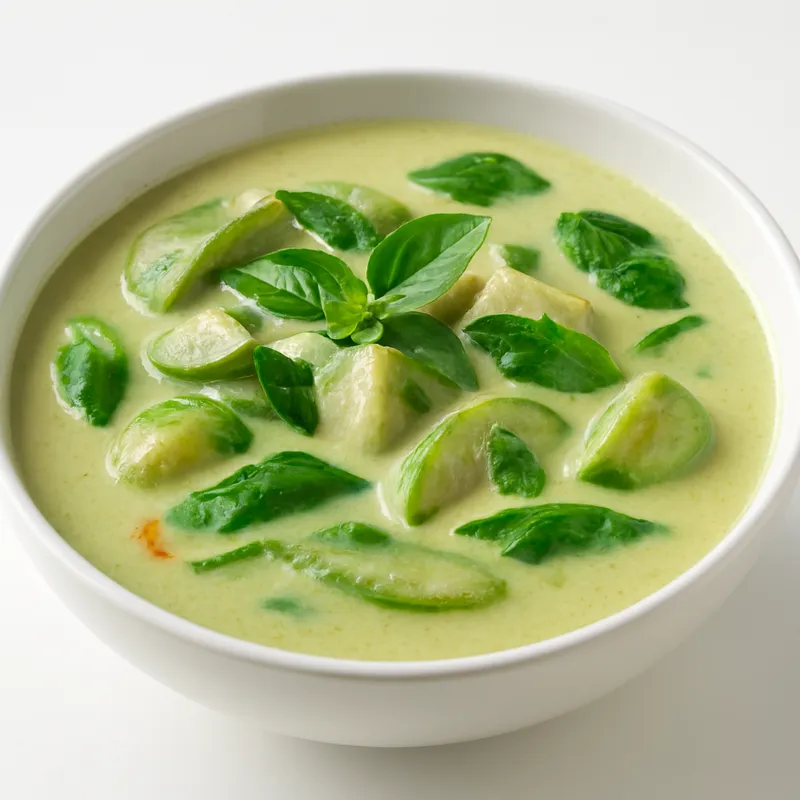
Makrut lime leaves (bai makrut) are used whole in tom kha gai and tom klong—simmered and removed before serving—and as a finely chiffonaded garnish on larb plaa and pad cha. Curry pastes (green, red, panang) incorporate whole leaf blended to fine paste. Southern Thai khanom jin nam ya uses leaf as both paste ingredient and garnish. The double-lobed leaf structure is distinctive and the fresh leaf's volatile oils dissipate rapidly after cutting.
Daun jeruk purut is used in bumbu paste for bebek betutu and babi guling, where multiple leaves are ground into the spice paste. Rendang includes whole leaves added to the coconut milk early in the cook. Soto ayam uses a few leaves bruised in the turmeric broth. Balinese sambal matah (raw shrimp paste sambal) uses very finely sliced fresh leaf as a textural element.
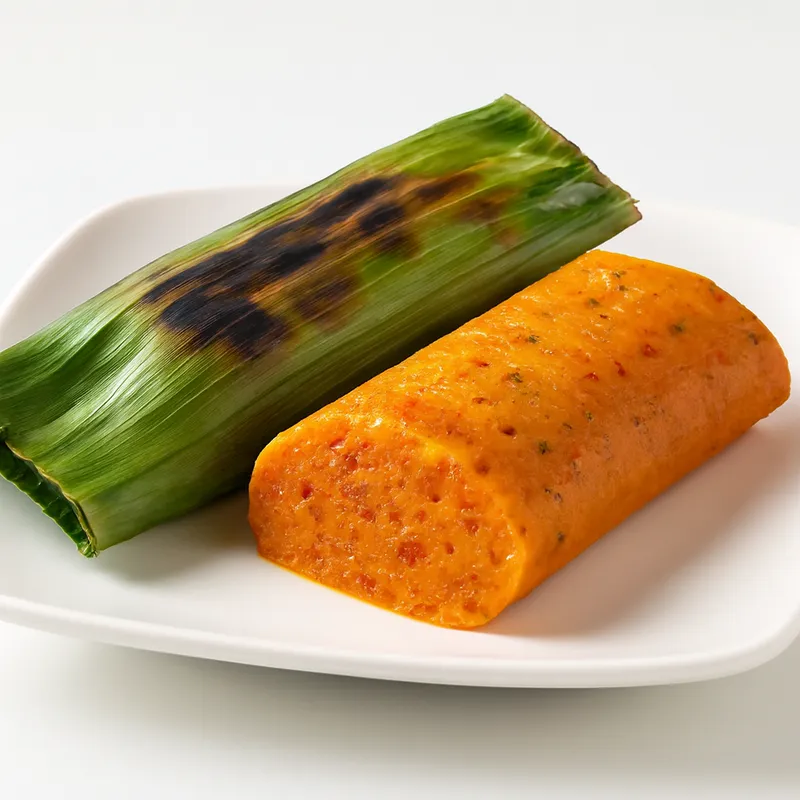
Otak-otak (grilled spiced fish paste wrapped in banana or coconut leaves) depends on finely ground kaffir lime leaf in the paste for its characteristic fragrance—it is the distinguishing aromatic from Penang to Singapore. Beef rendang paste includes it. Curry laksa rempah also incorporates it for a citrus-bright note beneath the coconut base.
Nutrition (per 100g)
AI-estimated; model and run unavailable.