Stir-fry of fish or seafood with fresh green peppercorns on the stem, krachai (fingerroot), kaffir lime leaves, fresh chiles, and holy basil — the peppercorn-and-fingerroot duo defines it.
Pad Cha is a central-Thai seafood-restaurant dish from the postwar era, when refrigeration let fresh green peppercorns travel from southern peppercorn farms to Bangkok kitchens. The name 「cha」 is onomatopoeia for the hiss of wet ingredients hitting an extremely hot wok. The dish is associated with riverside seafood spots and is a common preparation for catfish, snakehead, and freshwater shrimp — fish with strong flavour that benefit from aggressive aromatics.
Postwar Bangkok seafood-stall dish; the name 「cha」 is onomatopoeia for wet ingredients hitting a roaring wok. Without krachai (fingerroot) it is just a chile stir-fry.
Aroma comes off the plate first — citrusy, pine-resin from krachai, plus the green-grassy peppercorn smell that's like fresh black pepper before drying. First bite is heat — chile heat plus the cool-numbing tingle of fresh green peppercorn (different from Sichuan numbing, less prolonged). Krachai is the second wave: a fingerroot with hints of camphor. Fish is just-set. Holy basil clove note hangs above. Pad cha without krachai is just a chile stir-fry; the rhizome is non-negotiable.
The peppercorn-and-fingerroot duo is the load-bearing pair. Fresh green peppercorns (still soft, on the stem) bring a piperine bite without the dried-spice dustiness, plus a brief tingling effect — they cannot be replaced by dried black pepper. Krachai (Boesenbergia rotunda, fingerroot) is a rhizome cousin to ginger and galangal but smells of citrus and pine; it cuts strong fish flavours that ginger doesn't reach. Both must go in late, after the sear, so they don't burn black.
Variations
Pad cha pla (catfish or snakehead) inland; pad cha goong (river prawn) on the Chao Phraya; pad cha pla muek (squid) at Gulf-coast seafood houses; jay (vegetarian) versions sub firm tofu and king oyster mushroom.
On the Palate
Where Pad Cha sits in the Thai flavor cloud
Ingredients
Serves 3





How it's made
6 steps · 12 min active + 13 min waiting
- 15 min
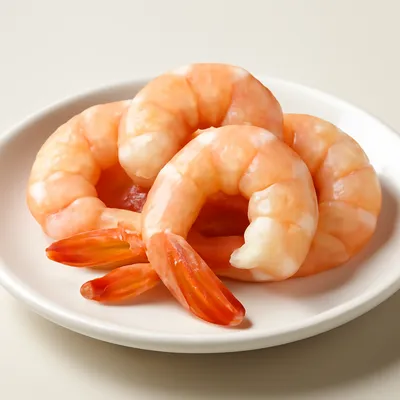
Cut 400g firm white fish (catfish, snakehead, or grouper) into 3cm chunks; or use mixed seafood (squid rings, prawns, mussels). Pat dry.
- 25 min
Julienne 50g krachai (fingerroot, gra-chai — knobby, finger-thin rhizome with citrus-pine flavour, distinct from ginger or galangal). If unavailable, no substitute is correct — it defines the dish. Tear 6 kaffir lime leaves (bai makrut), discard centre rib.
- 35 min
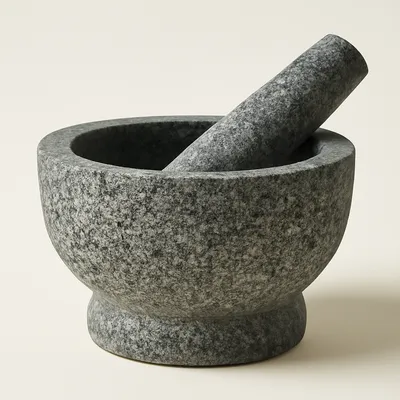
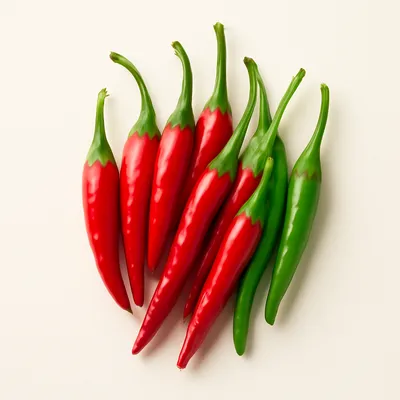
Pound coarse paste: 8 garlic cloves, 6 fresh red bird's-eye chiles, 4 long red chiles, pinch salt. Set aside 3 stems fresh green peppercorns (about 30g — pluck most berries, keep some on stem for visual).
- 41 min
Mix sauce: 2 tbsp fish sauce, 1 tbsp oyster sauce, 1 tsp sugar, 1 tbsp water. (No soy — pad cha stays pale gold, not brown.)
- 52 min
Wok on highest flame, smoking. 2 tbsp oil, then chile-garlic paste — 20 seconds. Add seafood; sear 90 seconds without stirring. Add krachai, green peppercorns, kaffir lime leaves; toss 30 seconds.
Watch outSear the seafood ninety seconds without stirring, then add the fingerroot, green peppercorns and lime leaves last — throw the aromatics in early and they scorch black and bitter.
- 61 min
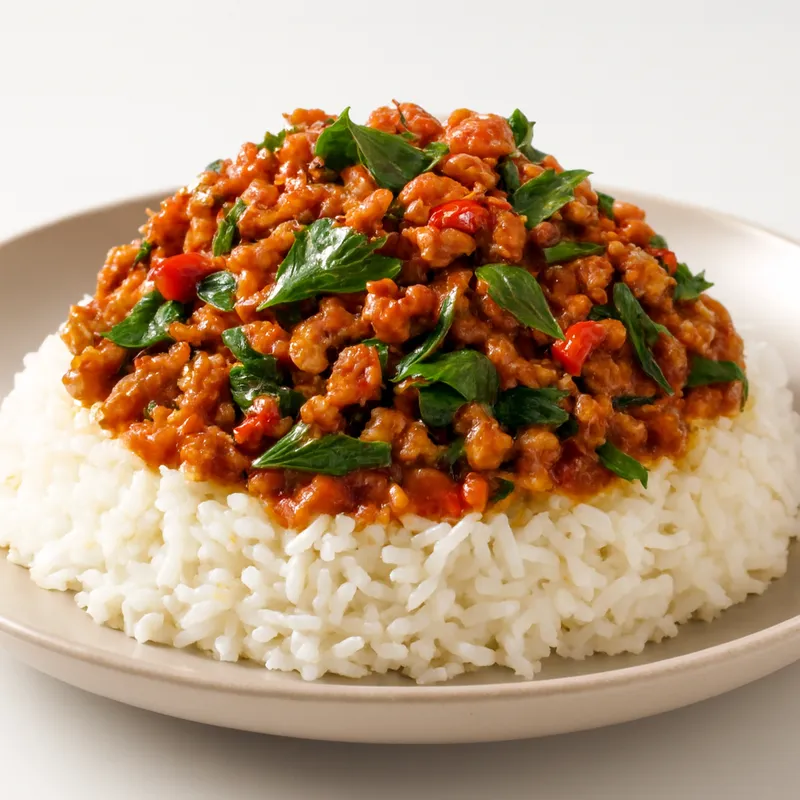
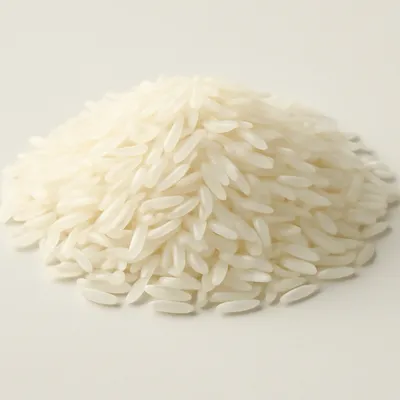
Pour sauce around the rim. Toss 60 seconds — seafood is just cooked, not over. Off heat, add a fistful of holy basil; fold once. Plate over jasmine rice. Eat now — green peppercorns oxidize bitter if it sits.
Watch outPull it off the heat the moment the seafood is just set — and eat right away; let it sit and the green peppercorns oxidize into bitterness.
Archive tool suggestions — not reviewed
These legacy suggestions have not been evidence-reviewed and are not presented as required tools.