Stir-fried clams in roasted-chile paste (nam prik pao) with garlic, fresh chile, and Thai basil — Thai-Chinese seafood-restaurant staple, eaten by sucking shells.
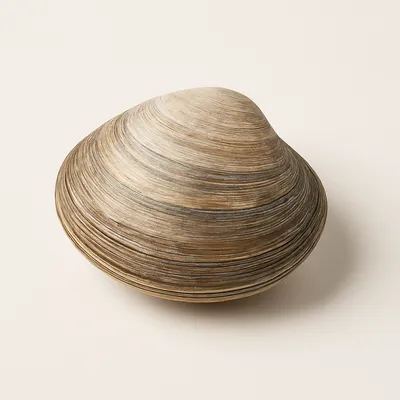





Pad Hoi Lai is a postwar Thai-Chinese seafood-stall and beach-restaurant standard, especially around the Gulf of Thailand. Hoi lai (Paphia undulata, the undulating venus clam) is the cheap, abundant native clam — restaurants buy them by the kilo in the morning and turn them around in 5 minutes per order. Nam prik pao itself is older — a southern and central Thai pantry paste — and was retrofitted into a stir-fry sauce when Chinese-style wok cooking absorbed it.
Gulf-of-Thailand seafood-stall standard built on nam prik pao — a roasted-chile jam of dried shrimp, garlic, shallots, palm sugar, tamarind. Sub sambal or sriracha and you get a generic chile-clam stir-fry.
First sound: clack of shells against the platter. Each clam pops out a thumb-sized morsel, briny, with a coating of red-brown sauce that tastes of dried shrimp, palm sugar, tamarind, and toasted chile from the nam prik pao. Sweet basil's anise note frames it. You suck a little sauce out of every shell — that's the point. If the sauce is one-note hot rather than sweet-sour-savoury layered, it's not real nam prik pao but plain chile sauce.
Nam prik pao is the load-bearing ingredient. It's not a single chile paste but a complex pre-made one: dried shrimp, dried chiles, garlic, shallots, palm sugar, tamarind, all roasted then pounded with oil. That layered sweet-sour-savoury-spicy is what makes pad hoi lai taste like itself; substitute sambal or sriracha and you get a generic chile-clam stir-fry. Second mechanism: cover the wok briefly. Clams open faster with trapped steam, and timing matters — over-cook by 60 seconds and the meat goes from tender to rubbery.
Variations
Hoi lai pad nam prik pao (the canonical); hoi malaeng pu (mussel) version on the upper Gulf; hoi shell pad cha at riverside spots in Phetchaburi; Singaporean-Malaysian sambal lala is the closest cousin across the strait.
On the Palate
Where Pad Hoi Lai sits in the Thai flavor cloud
Ingredients
Serves 3


How it's made
6 steps · 10 min active + 20 min waiting
- 120 min
Soak 1kg live Manila or surf clams (hoi lai) in cold salted water (35g salt per litre) for 20 minutes — they spit sand. Discard any clams that stay open after a tap. Drain and rinse.
Watch outSoak the clams in salted water till they spit sand, and toss any that stay open after a tap — those are dead and will foul the whole pan.
- 25 min
Pluck 30g Thai sweet basil (horapha — anise-leaning, NOT holy basil here). Smash 6 garlic cloves; slice 4 fresh red chiles into rounds.
- 33 min
Mix sauce: 2 tbsp nam prik pao (Thai roasted chile paste — tamarind-and-shrimp-rich, available jarred), 2 tbsp oyster sauce, 1 tbsp fish sauce, 1 tsp sugar, 3 tbsp chicken stock or water.
- 42 min
Wok on highest flame, smoking. 2 tbsp oil, garlic and fresh chile — 15 seconds. Add clams in one pile; toss once; cover with a lid 90 seconds — steam helps shells open quickly.
Watch outLid on for ninety seconds so trapped steam pops the shells fast — the tighter the timing, the more tender the meat.
- 51 min
Lid off. Pour sauce around the rim. Toss vigorously 60 seconds — every shell should be open and glossy with red sauce. Discard any clams still tightly closed (those died before cooking).
Watch outToss just till every shell gapes open and glistens with red sauce — a minute too long and the meat goes from tender to rubbery.
- 60 min
Off heat, fold in horapha basil. Tip onto a deep platter — there should be a small puddle of red-orange sauce at the bottom for shell-dipping. Eat with rice; suck the meat and a little sauce out of each shell.
Archive tool suggestions — not reviewed
These legacy suggestions have not been evidence-reviewed and are not presented as required tools.