
Pomelo-segment salad with poached shrimp, toasted shredded coconut, fried shallots, roasted peanuts, and a fish-sauce-palm-sugar-lime dressing — Central-Thai royal-court refinement, every element separately prepared.
Yam som-o is a long-established Thai composed-salad (a member of the yam family, like tom yum and som tam), traditionally classed as ahaan boran — old-style home cooking passed down across generations rather than a documented palace invention. The hand-separation of pomelo pulp into intact vesicles is the labor signature of Thai palace cookery; quick-chop versions exist on street menus but lose the texture point. Outside the palace tradition, yam som-o is what you order at a more polished Bangkok restaurant rather than at a noodle stall.
Bangkok royal-kitchen dish from early-20th-century palace cookbooks. The labor signature is hand-separated pomelo pulp into intact vesicles — quick-chop versions on street menus lose the pearl-pop texture entirely.
Pomelo pulp pearls burst against your teeth, releasing cool faint-bitter citrus juice; then sweet shrimp, then a crunch of coconut and peanut, then the punch of fried shallot — five textures across one mouthful. Dressing is balanced rather than wet: it coats but doesn't pool. The salad reads bright-clean-savory rather than sweet, despite the palm sugar. Wait twenty minutes and the pomelo weeps and the shallots go limp — this is a hand-it-out-now dish.
Three loads keep this dish working: pomelo pulp must be intact pearl-shape (membrane gone, juice still inside) — that is what supplies the texture pop instead of a wet shred. Toppings must go in two passes (half tossed, half on top) so the surface still has a dry crunch when it reaches the table. Dressing is added at the last moment — pomelo's spongy structure starts releasing water on contact and the salad collapses within 10-15 minutes.
Variations
Court-style yam som-o uses chicken or shrimp; modern Bangkok restaurants add crab; vegetarian temple version drops dried shrimp for fried tofu skin; Phetchaburi street version uses local pink-fleshed pomelo and a heavier coconut-cream finish.
On the Palate
Where Yam Som-O sits in the Thai flavor cloud
Ingredients
Serves 4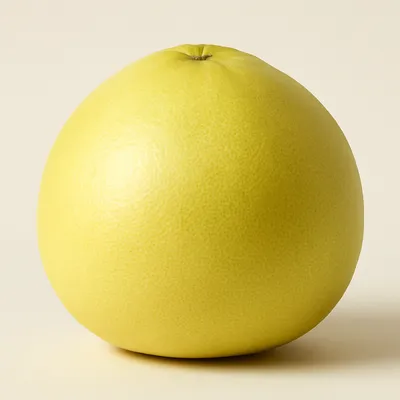




How it's made
5 steps · 30 min active + 5 min waiting
- 112 min
Peel 1 large pomelo (som-o); break segments apart and gently tease the flesh into pearl-sized vesicles, discarding membrane — you want 300g of clean dry pulp. Use thin-wristed work; they crush easily.
Watch outTease the pomelo into whole pearl-shaped vesicles with juice still sealed inside — crush them and you get a wet shred that weeps and kills the texture pop.
- 28 min
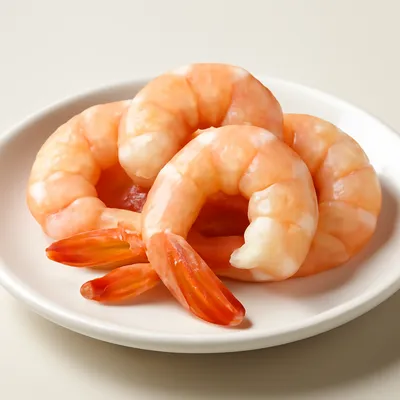
Poach 200g medium shrimp in salted water 90 seconds until just pink; drain, halve lengthwise. Toast 30g shredded unsweetened coconut in a dry pan over medium heat 4 minutes until deep gold. Toast 40g raw peanuts the same way; cool and rough-chop.
Watch outEnsure shrimp are not overcooked; they should be just pink and firm.
- 37 min
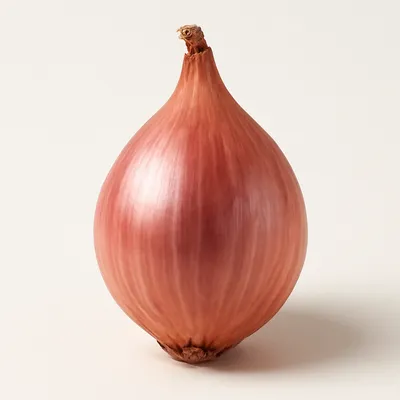
Fry 60g thinly sliced shallots in 100ml neutral oil over medium heat, stirring, for 6-7 minutes until uniformly golden brown. Drain on a rack — they crisp as they cool. Reserve 2 tbsp shallot oil.
Watch outFry the shallots to an even golden brown, then lift them out — they crisp as they cool, so pull them before they look fully crunchy or they'll scorch.
- 42 min
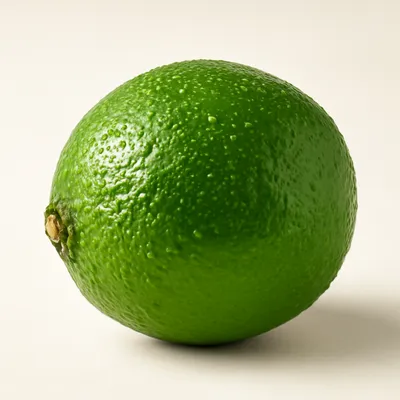
Whisk dressing: 3 tbsp fish sauce, 2 tbsp fresh lime juice, 2 tbsp palm sugar (warmed to dissolve), 1 tsp roasted-chile flakes (prik pon), 2 tbsp shallot oil. Taste — should pull sour-salty-sweet in equal weight.
Watch outEnsure palm sugar is fully dissolved for a smooth dressing.
- 51 min
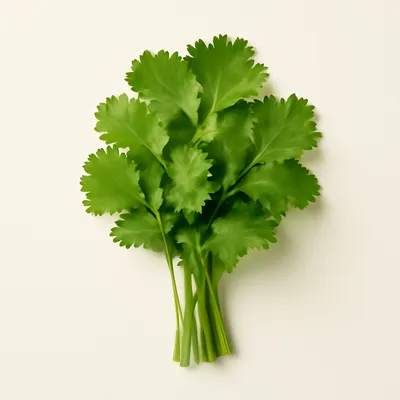
Just before serving: in a wide bowl, toss pomelo pulp gently with shrimp, half the coconut, half the peanuts, half the fried shallots, and the dressing. Plate; top with the remaining toppings and a few cilantro leaves. Eat immediately — pomelo weeps within 10 minutes.
Watch outDress and toss only at the last second before serving — pomelo starts releasing water on contact and the whole salad collapses within 10 minutes.
Archive tool suggestions — not reviewed
These legacy suggestions have not been evidence-reviewed and are not presented as required tools.


