
Goong ten — "dancing shrimp" — is the most theatrical dish in the Isaan repertoire: tiny live freshwater shrimp tossed at the table with lime juice, fish sauce, chili, shallot, and mint, and eaten while they still twitch, which is the dance the name refers to. It is a thrill dish of the Mekong, ordered as much for the spectacle as the bright, briny, sour-hot flavour. It should come with a clear caution: the shrimp are raw and the dressing does not cook them, so this is best understood as a high-risk regional specialty rather than an everyday plate.
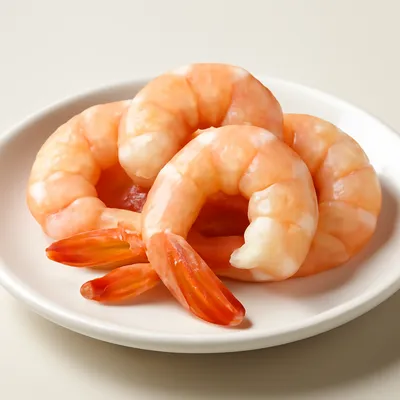
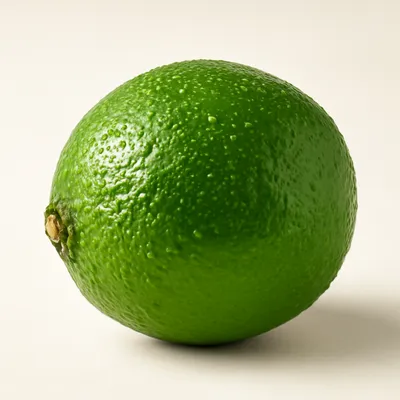

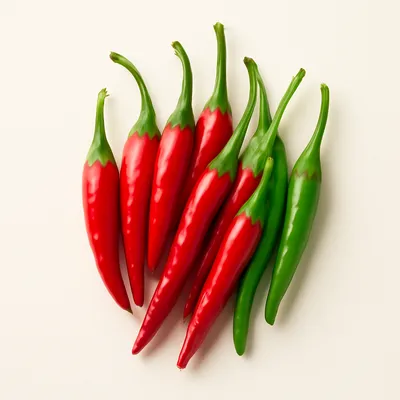
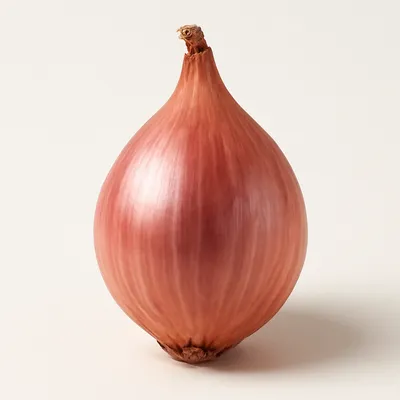

Goong ten belongs to the raw-and-fresh tradition of Isaan and the Lao banks of the Mekong, where the tiny translucent river shrimp it uses are seasonally abundant and were long eaten with little more than lime and chili. It sits alongside other Isaan raw preparations like koi and some larb dib. There is no fixed origin date; it is a folk street-cart dish rather than a documented creation, and it remains a regional novelty more than a national staple.
A jolt of cold lime and salty fish sauce, the chili biting immediately, mint and shallot keeping it sharp and green — and underneath, the live shrimp popping and faintly sweet against the teeth, their shells crackling. The sensation is as much about movement and freshness as taste. It is bracing, fast, and over in a few bites.
The dressing works almost entirely on the palate, not the shrimp. Lime acid does denature surface proteins and turn the shells slightly, the way it does in ceviche, but it acts only on the outside and over minutes — far too little to cook the flesh through or, importantly, to kill parasites or bacteria inside it. The shrimp's freshness and translucency are the whole point, so they are dressed and eaten at once. This is also exactly why the dish carries real risk: northeast Thailand and Laos are an endemic zone for the liver fluke Opisthorchis viverrini, and raw freshwater shrimp and crustaceans can also carry lung-fluke larvae; acid and salt do not make them safe. Many vendors now chill or briefly freeze the shrimp first, which calms them and reduces — but does not eliminate — that risk.
Variations
Some versions use small live crayfish or river prawns instead of shrimp, dressed the same way. A milder, food-safer take blanches or stir-flashes the shrimp for a few seconds before dressing, trading the live spectacle for cooked safety — closer to a warm shrimp larb. Roasted rice powder, ground chili, and toasted galangal are common additions for more body.
On the Palate
Where Goong Ten sits in the Thai flavor cloud
Ingredients
Serves 2
How it's made
6 steps · 10 min
- 13 min
Source very fresh small live freshwater shrimp; rinse them well in clean water.
Watch outThis stays raw start to finish, so the shrimp must be alive and spotless — the lime firms the surface but kills nothing inside.
- 23 min
For a safer plate, chill the shrimp in iced water or briefly freeze them to calm them before dressing.
- 32 min
In a bowl, mix lime juice, fish sauce, ground chili, sliced shallot, and a little sugar to taste.
- 41 min
Add chopped mint, sawtooth coriander, and toasted rice powder to the dressing.
- 51 min
Tip in the drained shrimp, toss quickly to coat, and serve immediately while fresh.
Watch outToss and serve in the same minute — the moment it sits, the shrimp weep and the dressing goes watery.
- 60 min
Eat at once with sticky rice — and be aware that the shrimp remain raw and carry parasite and bacterial risk.


