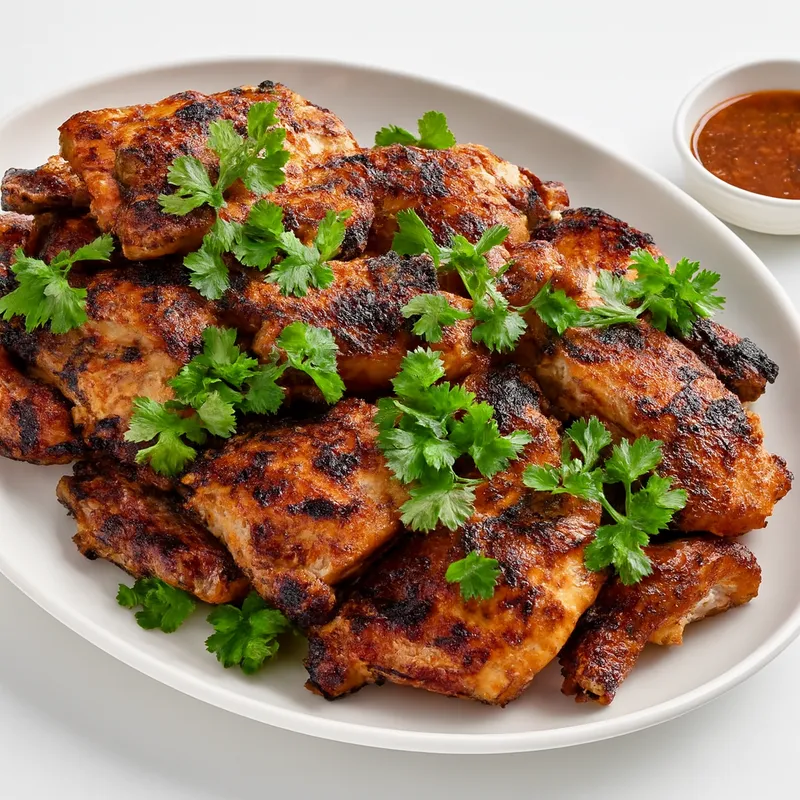
A seasonal Isaan and Lao delicacy of weaver-ant eggs and pale larvae, tossed barely-dressed with lime, fish sauce, sliced shallot, spring onion, chili and herbs. The eggs pop like tiny pearls and carry their own clean, milky-sour tang, so the seasoning stays light to let them speak. Foraged from nests high in mango and other trees during the dry months, they are a prized, short-window treat rather than everyday food. The salad is eaten with sticky rice, often as a drinking snack.


Red ant eggs — the eggs, pupae and larvae of the weaver ant Oecophylla smaragdina — are a long-standing wild food across the Lao-Isaan northeast of Thailand and Laos, gathered where the aggressive ants build leaf-nests in fruit trees. The harvest is strictly seasonal, running roughly from late February into June with the prized eggs collected in the dry months of March to May, which keeps them scarce and expensive. No origin date attaches to so old a foraged food; it is village fare turned regional delicacy, valued for protein and for the eggs' natural sourness. Climbing the trees and smoking or shaking the nests down without being swarmed is a skill in itself.
Tiny white eggs that burst between the teeth with a cool, milky pop and a squeeze of natural sourness, mixed with the softer, custardy larvae. Against them, sliced shallot is sweet and sharp, spring onion green, chili a light heat, lime and fish sauce a clean salt-sour frame. There is almost no chew and no funk — it is delicate, fresh and faintly creamy, closer to a seafood than to meat. Sticky rice carries it.
The eggs are essentially fragile sacs of liquid protein and fat held in a thin membrane, which is why they 'pop' and read as juicy and creamy; that same fragility means the dish is barely tossed, not pounded, so the eggs survive whole. Their natural tartness comes from the ants' formic-acid chemistry carried into the brood, so very little added lime is needed and heavy seasoning would bury a flavour that is the whole point. Some cooks warm the mix very briefly or flash it in a hot pan to firm the larvae and tame any raw edge, but the classic koi is essentially raw and dressed cold, the lime giving only the gentlest acid set. Freshness is everything — the eggs spoil and weep quickly once gathered.
Variations
Tossed cold and raw it is koi khai mot daeng; the same eggs go into a tart clear soup (tom or kaeng khai mot daeng), into omelettes, and into som tam. Larvae-heavy lots are softer and milder; egg-heavy lots pop more. Lao kitchens across the Mekong make the near-identical dish. Because supply is short and wild, the salad is built around whatever ratio of eggs to larvae the day's foraging yields.
On the Palate
Where Koi Khai Mot Daeng sits in the Thai flavor cloud
Ingredients
Serves 4How it's made
6 steps · 20 min
- 15 min
Gently rinse the ant eggs and larvae and pick out any leaf, twig or stray ant.
- 25 min
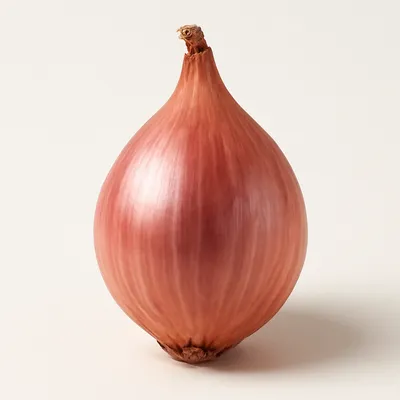
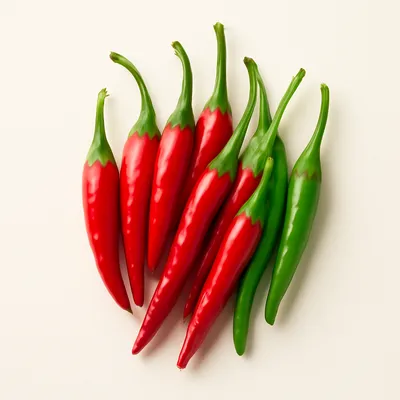
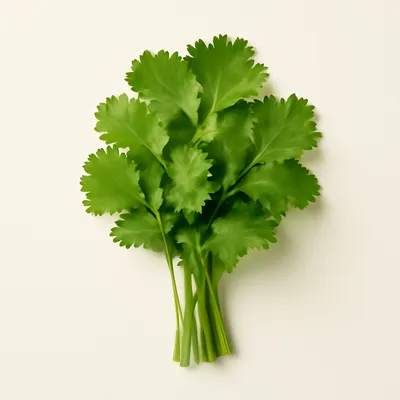
Slice shallots thin and spring onion into lengths; pick coriander and any tender herbs; slice chili.
- 32 min
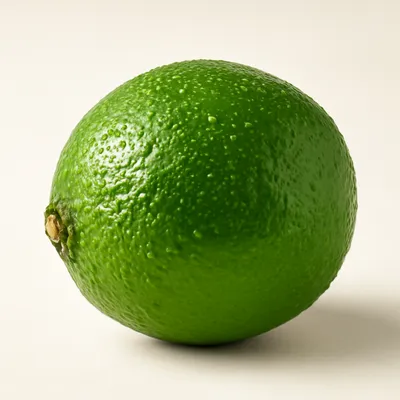
Mix lime juice and fish sauce into a light dressing and taste for a clean salt-sour balance.
- 41 min
Add the eggs and larvae and fold through very gently so the eggs stay whole.
Watch outFold, never stir hard — the eggs are fragile sacs; if they pop the dish weeps and loses its creamy juiciness.
- 51 min
Lightly toss in shallot, spring onion, chili and herbs without crushing.
- 61 min
Serve at once with sticky rice, before the eggs weep.
Watch outServe the instant it's dressed — let it sit and the eggs collapse and water out.