
Phuket's own oyster griddle-fry, set apart from the common Thai oyster omelette by one ingredient: taro. Soft-steamed cubes of taro are folded into a tapioca-and-wheat batter with small oysters, shrimp, bean sprouts and egg, then fried hard on a flat griddle until the edges crisp and the inside stays soft and chewy. The taro turns starchy-sweet and almost creamy against the briny oysters; pork cracklings and spring onion often join. It is eaten with a sweet-spicy dip and a heap of raw bean sprouts — a Phuket Town street snack that locals also take as a light meal.
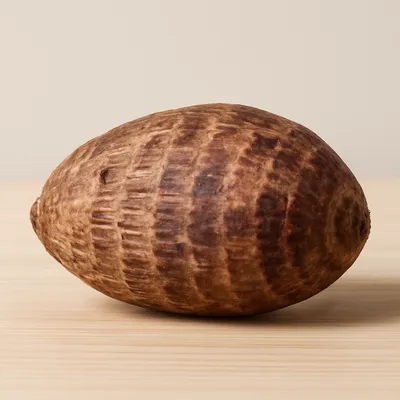

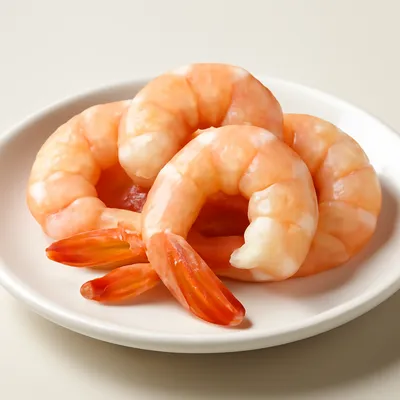



O-tao is a Hokkien-Phuketian dish, brought by the Fujianese migrants who settled the island during the tin-mining boom and adapted from a Fujian original. Its name carries the proof: 「o」 is Hokkien for taro, and 「o-tao」 derives from the Fujian dish ô-tau (蚵兜) or ô-á-tau (蚵仔兜), an oyster-and-starch griddle-fry. Phuket cooks kept the oysters and the starch binder but built the dish around cubes of local taro, which is what distinguishes it from the plain rice-flour oyster omelette (hoy tod) sold across Thailand. It remains a specialty of Phuket Town, where a handful of long-running griddle stalls have earned national recognition for it.
The pleasure is in contrasts. The griddled edges go brittle and golden, snapping like lace, while the body stays soft, sticky, and chewy from the tapioca. Cubes of taro are the surprise — starchy and faintly sweet, almost creamy, melting between the crisp bits. Small oysters give briny, custardy bursts; shrimp add sweetness, pork cracklings a savory crunch, and the raw bean sprouts on the side stay cool and snappy. The sweet-spicy dip ties it together, its sugar and chili playing off the salt of the sea.
Two starches divide the labor: tapioca gelatinizes at a low temperature and dehydrates on the hot griddle into glassy, crisp strands at the edges, while a little wheat flour binds the body. The taro must be steamed first so it is cooked through and tender before it ever hits the pan — added raw it would stay hard, since the fast griddle-fry is too brief to soften it; pre-steaming also lets its starch turn soft and almost creamy. The batter is kept loose enough that the rim spreads and crisps before the center sets. Egg is folded in to enrich and help bind, and the oysters go on so they just-set and stay plump rather than toughening.
Variations
Phuket's taro-built version is the distinctive one; the broader Thai dish without taro is hoy tod, sold crisp-laced or as a softer oyster omelette. Some stalls run it crispier, others wetter and softer; pork cracklings, more egg, or extra oysters are common adjustments. Mussels can stand in when oysters are scarce. The constant is the taro and the side of raw bean sprouts with a sweet-spicy dip — without the taro it is simply not o-tao.
On the Palate
Where O-Tao sits in the Thai flavor cloud
Ingredients
Serves 2

How it's made
8 steps · 25 min
- 110 min
Peel and cube the taro; steam until tender, then let cool.
Watch outSteam the taro fully tender before it ever hits the pan — the quick griddle-fry is too brief to soften it, so raw taro stays hard.
- 23 min
Whisk tapioca flour and a little wheat flour with water into a loose, pourable batter.
- 32 min
Heat a flat griddle or wide pan with oil until hot.
- 43 min
Pour in a ladle of batter and scatter the steamed taro over it; let the edges spread and begin to crisp.
Watch outLet the rim spread and start to crisp before you add anything — that lacy crisp edge is what sets this apart from a soft pancake.
- 53 min
Add oysters, shrimp, and pork cracklings; fry until the underside sets and browns.
- 62 min
Push aside and crack in the egg, then fold everything together and flip in sections.
- 73 min
Fry until the edges are crisp and golden and the inside is soft and just-set.
Watch outPull it when the edges are crisp and golden but the center is still soft and just-set — overcook it and the whole thing goes tough.
- 81 min
Slide onto a plate and serve with raw bean sprouts and a sweet-spicy dipping sauce.
Archive tool suggestions — not reviewed
These legacy suggestions have not been evidence-reviewed and are not presented as required tools.


