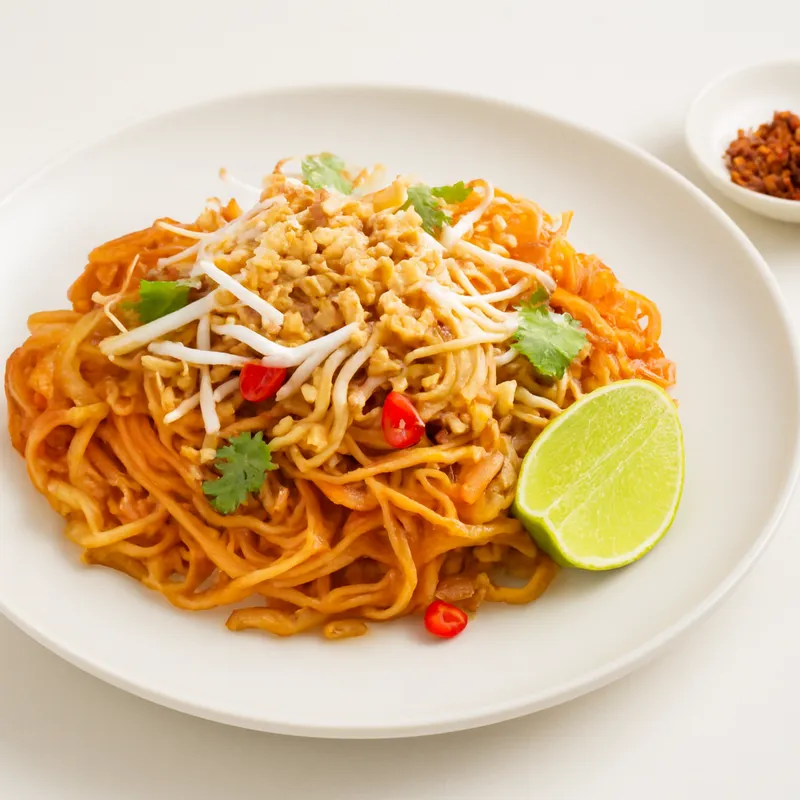
Soft, unfried spring rolls in which a pliable wheat or rice wrapper is rolled around a warm filling of stir-fried Chinese sausage, crab or shrimp, scrambled egg, bean sprouts, and shredded vegetables, then sliced and napped with a thick sweet brown sauce. Unlike the crisp fried po pia tod, these are eaten fresh and cool-to-warm, soft against the tooth. The format is the Hokkien fresh popiah, kept close to its Chinese-Thai roots, with a sweeter Thai sauce and a scatter of crushed peanut.

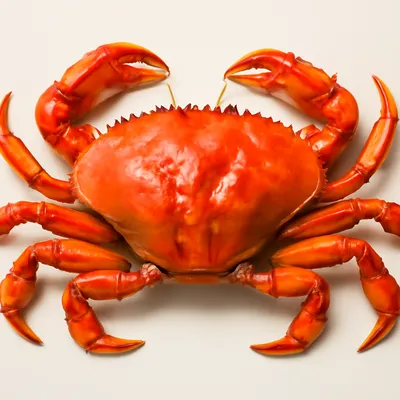



Po pia sod is the fresh, unfried branch of the same Hokkien popiah brought to Thailand by southern Chinese migrants, and it stays markedly closer to the Chinese original than its fried cousin does. The name again preserves the Hokkien word for the thin wheat skin; sod means fresh. In the Hokkien tradition the wrapper is folded around a braised jicama-and-vegetable mix at the table, and Thai versions of the more authentic kind echo this with stir-fried turnip or bean sprout, Chinese sausage, and a soy-based sweet sauce. The dish travels the same way Mee Krob and other Chinese-Thai items did — through Teochew and Hokkien kitchens in Bangkok — so its lineage is honestly Chinese-Thai rather than a Thai invention.
Soft and yielding, with no crunch from the wrapper itself — the contrast comes from inside: snappy bean sprout, the salty-sweet chew of Chinese sausage, sweet flakes of crab, and the silk of scrambled egg. The thick brown sauce is the binding flavor, sweet and faintly savory, and crushed peanut on top adds the only real crunch. It is a gentle, almost breakfast-light bite, cool and fresh against the richer fried snacks it shares a menu with.
This is an assembly dish, and its craft is moisture control without heat: every wet component must be cooked dry or drained, because a soft wrapper has no crisp shell to defend it and weeps the moment juice collects. Bean sprouts are flash-cooked so they stay crunchy but shed their water; the sausage and crab are stir-fried and cooled. The wrapper is steamed or used at room temperature so it stays supple and folds without cracking — over-dry skin splits, over-wet skin tears. The sweet sauce is thickened with a starch slurry to a clinging gloss so it coats the cut faces rather than soaking through, and it is added only at serving so the roll never sits in liquid.
Variations
The crab-and-sausage version is the richer restaurant style; a simpler vendor version fills the wrapper mostly with stir-fried bean sprout, turnip, and tofu in the older Hokkien manner. Shrimp can stand in for crab. Some kitchens add a leaf of lettuce inside for crunch and a strip of omelette; the sauce ranges from a dark sweet soy gravy to a lighter tamarind-tinged one, and chopped Chinese chives are a common finish.
On the Palate
Where Po Pia Sod sits in the Thai flavor cloud
Ingredients
Serves 4

How it's made
8 steps · 40 min active + 5 min waiting
- 16 min
Stir-fry diced Chinese sausage until its fat renders and the edges crisp; set aside.
- 27 min
Scramble egg into soft curds, and separately stir-fry crab or shrimp briefly; cool both.
- 36 min
Flash-cook bean sprouts and shredded vegetables in a hot pan so they stay crisp, then drain well and cool.
Watch outFlash-cook the sprouts and vegetables so they stay crisp, then drain them really dry — any trapped water will weep and turn the soft wrapper soggy.
- 48 min
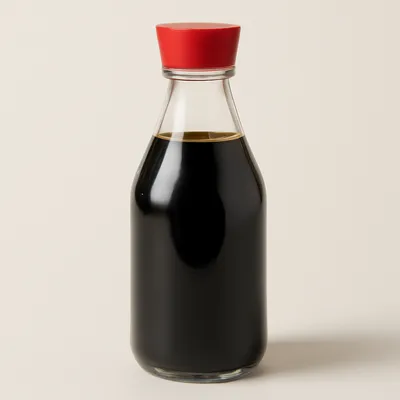
Make the sauce: simmer dark soy, sugar, and a little water, then thicken with a starch slurry to a glossy gravy.
- 55 min
Soften each wrapper by brief steaming or warming so it is pliable, and lay it flat.
- 68 min
Place sausage, crab, egg, sprouts, and vegetables along the lower third, fold in the sides, and roll up firmly.
- 73 min
Slice each roll on the diagonal into bite lengths and arrange cut-face up.
Watch outSlice on the diagonal and set cut-face up, and only spoon the sauce on at serving so the roll doesn't go slack too soon.
- 82 min
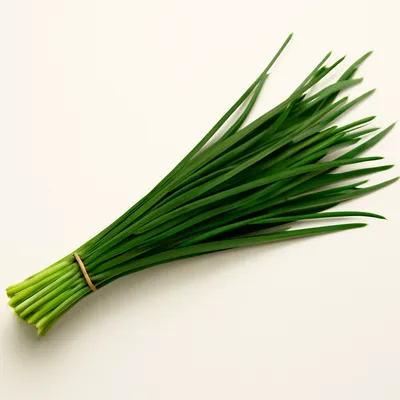
Spoon the warm sweet sauce over just before serving and finish with crushed peanut and Chinese chives.
Archive tool suggestions — not reviewed
These legacy suggestions have not been evidence-reviewed and are not presented as required tools.