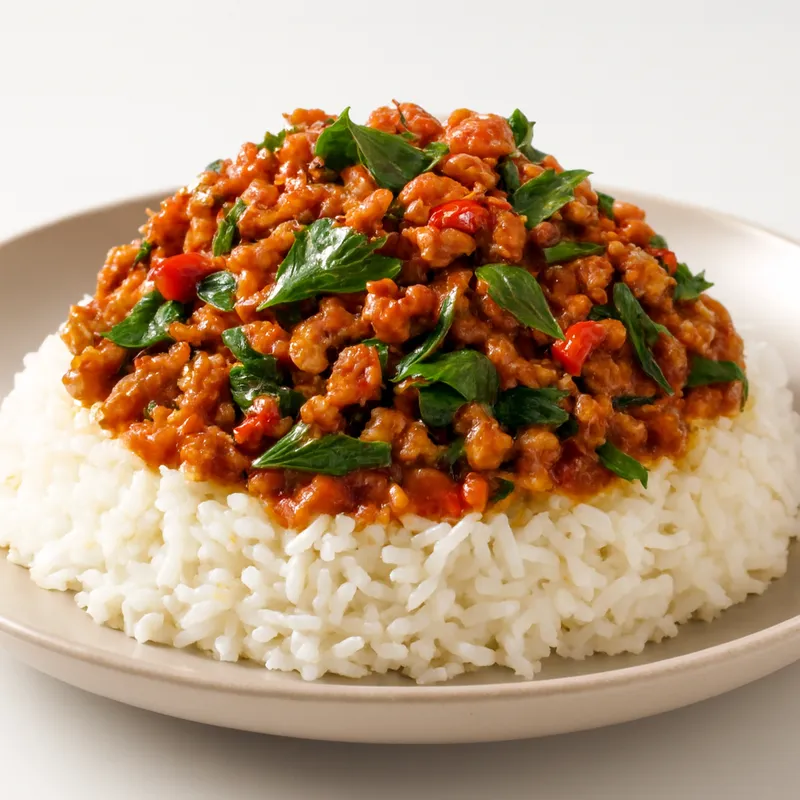
The most prized member of the Thai fried-rice family: day-old jasmine rice tossed over high heat with egg, garlic, and a generous heap of lump crabmeat, seasoned only with fish sauce, a little soy, and white pepper so the crab stays the star. It arrives plain-looking — pale gold, flecked with spring onion — and is finished at the table with a hard squeeze of lime and a few slices of cucumber. Because the crab is folded in late and barely cooked, this is the order that separates a good Bangkok kitchen from a cheap one. Restaurants charge a premium for it, and the better ones use blue-swimmer crab picked that morning from the Gulf.
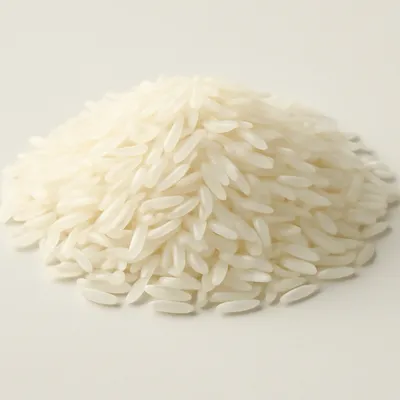
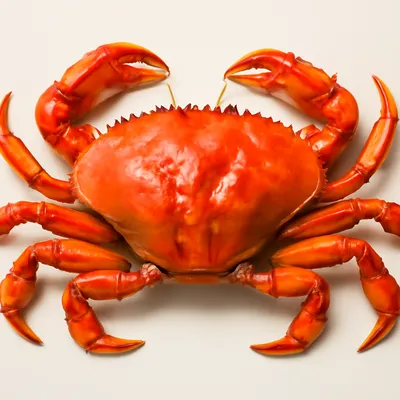



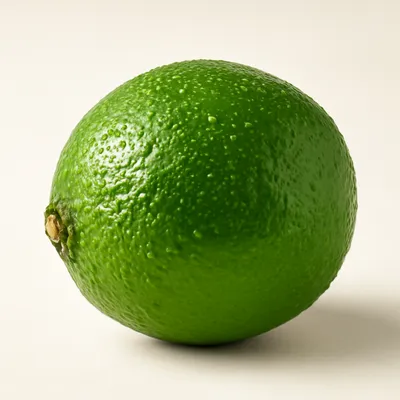
Thai fried rice (khao pad) is itself a Chinese-Thai dish — the wok and the technique came with Teochew and Hokkien migrants, who fried leftover rice the way their home kitchens did, then seasoned it with fish sauce instead of soy. The crab version belongs to Thailand's coasts and its restaurant trade rather than to any palace or single inventor; it is the dish you order when you want to show off good seafood, built around the sweet blue-swimmer and mud crabs of the Gulf of Thailand and the Andaman Sea. Its history is commercial and unglamorous: a way for a kitchen to turn a luxury ingredient into a plate of rice without burying its flavor.
Loose, dry grains that fall apart on the fork — never clumped or greasy. The taste is clean and mostly savory: fish-sauce salt, the toasty edge of egg and garlic, a whisper of white pepper. Then the crab arrives in soft sweet lumps, cool against the warm rice. The lime is not optional; squeezed over, it lifts the whole plate and cuts the richness, and the cucumber resets your palate between bites.
Everything turns on dryness and heat. Day-old rice has lost surface moisture, so the grains sear and stay separate instead of steaming into mush; a screaming-hot wok gives the rice that faint toasted aroma cooks call wok hei, the savory smell of starch scorching at the pan's edge. The egg goes in first and is set fast so it coats the grains rather than scrambling wet. Crucially the crabmeat is folded in at the very end and barely heated — overcook it and the delicate sweetness turns rubbery and fishy, so the cook is racing to keep it just-warm. Lime is added off the heat because its acid would turn flat and bitter in the wok; squeezed at the table it stays bright.
Variations
Khao pad goong swaps shrimp for crab; khao pad gai uses chicken, khao pad moo pork — all the same base. Up-market kitchens fold in whole crab claws or a mound of king-crab. Some cooks add a little Thai chili paste (nam prik pao) for a darker, sweeter rice; a fried egg on top (khai dao) is common. The universal companions are prik nam pla — fish sauce cut with sliced bird's-eye chili — and the wedge of lime.
On the Palate
Where Khao Pad Pu sits in the Thai flavor cloud
Ingredients
Serves 2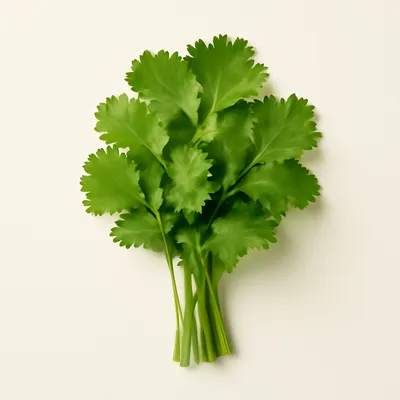
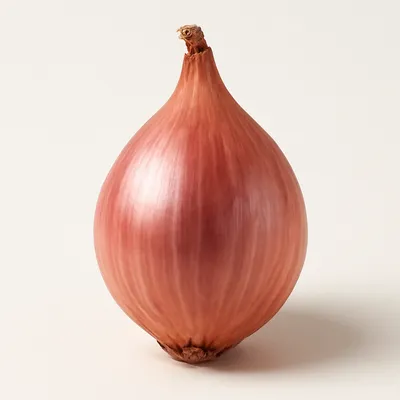
How it's made
8 steps · 20 min
- 13 min
Use cold, day-old jasmine rice; break up any clumps with wet hands so every grain is separate.
Watch outUse cold day-old rice and break every clump apart; fresh warm rice still holds surface moisture and will steam into mush instead of frying up separate and toasty.
- 23 min
Pick over the crabmeat for shell and keep it cold and aside; do not let it sit in the heat.
- 31 min
Heat a wok until it just smokes, add oil, and fry minced garlic for a few seconds until fragrant.
- 41 min
Push the garlic aside, crack in the egg, and let it set briefly before breaking it up.
- 53 min
Add the rice and toss hard over the highest heat, pressing and flipping so it sears and dries.
Watch outToss hard over the highest heat, pressing and flipping, until the grains sear dry and you catch that faint toasted-starch smell of wok hei.
- 62 min
Season with fish sauce, a little light soy, sugar, and white pepper; keep tossing until evenly colored.
- 71 min
Fold in most of the crabmeat off the direct flame, just to warm through, then kill the heat.
Watch outFold the crab in off the flame just to warm through, then kill the heat; overcooked crab turns rubbery and fishy and loses its sweetness.
- 81 min
Plate, crown with the reserved crab and spring onion, and serve with lime wedges and cucumber.