
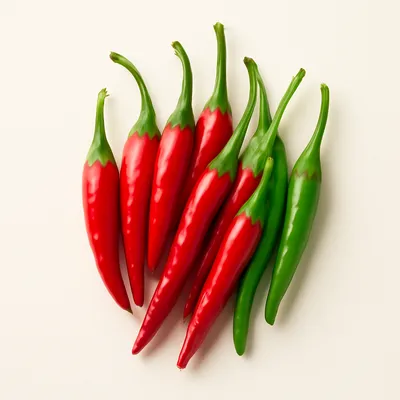
A fast home-cook stir-fry of sliced chicken with a generous tangle of shredded young ginger, soaked black fungus, onion, and yellow bean sauce, finished with spring onion and long red chili. The ginger is the dish — used as a vegetable in volume, not a background aromatic — and the seasoning stays light so its heat and brightness lead. It is everyday rice-shop and household food across central Thailand, cooked in minutes in a hot wok.
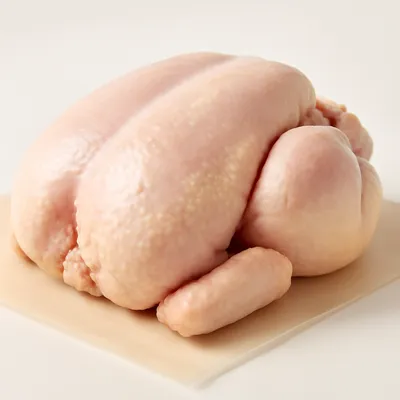


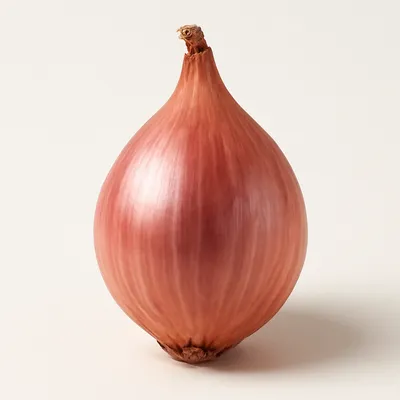


Gai pad khing belongs to the large family of Thai-Chinese stir-fries that entered everyday Thai cooking through Teochew and Hokkien migrants and their wok, and the yellow bean sauce (tao jiao) that seasons it is itself a fermented-soybean condiment of southern-Chinese origin. There is no single inventor or origin story; it is generic home and rice-shop food, the kind of plate-over-rice (raat khao) ordered at lunch counters nationwide. Ginger-and-chicken stir-fries appear across the broader Chinese diaspora, and the Thai version's distinguishing marks are the volume of shredded ginger treated as a vegetable, the black fungus, and the fish-sauce-and-bean-sauce seasoning.
Ginger leads — peppery, sharp, slightly numbing on the tongue when the young ginger is fresh — followed by the round salty-savory base of yellow bean sauce and fish sauce. The chicken stays tender and just-cooked; the black fungus brings a cool, gelatinous snap against the soft onion. It is meant to taste clean and bright rather than heavy or sweet, a foil to plain rice. Done well it is barely saucy, the seasoning clinging rather than pooling.
Young ginger versus old matters: young ginger (khing on) is pale, thin-skinned, low in fiber and milder, so it can be used in volume as a vegetable; mature ginger is too fibrous and hot for that role. Slicing it into fine matchsticks maximizes surface contact so its gingerol and shogaol read sharp and immediate. The yellow bean sauce is a fermented-soybean paste whose free glutamates layer a second savory note under the fish sauce, and adding it toward the end keeps it from turning bitter. The black fungus is soaked, not cooked soft — it must keep its crunch — and the whole stir-fry is done fast over high heat so the chicken sears and the ginger stays bright rather than stewing down.
Variations
Pork (moo) or firm tofu replace chicken in the same seasoning; some cooks add baby corn or sliced bell pepper for color and sweetness; a sweeter, saucier rendition leans on more bean sauce and a touch of sugar, while a leaner home version keeps it almost dry with ginger and chicken alone. A Buddhist-vegetarian (jay) version uses tofu and omits the fish sauce.
On the Palate
Where Gai Pad Khing sits in the Thai flavor cloud
Ingredients
Serves 2

How it's made
6 steps · 20 min
- 115 min
Soak dried black fungus in warm water until pliable, then trim and tear into bite-size pieces; peel young ginger and cut into fine matchsticks.
- 25 min
Slice chicken thigh thin against the grain; mix yellow bean sauce, fish sauce, oyster sauce, a little sugar, and a splash of water into a small bowl of sauce.
- 33 min
Heat oil in a wok until shimmering, add garlic, then the chicken; stir-fry over high heat until it whitens and picks up color.
Watch outWait until the oil shimmers and the garlic sizzles on contact — a cold wok steams the chicken grey instead of searing it.
- 42 min
Add the ginger and onion and stir-fry until fragrant and the ginger softens at the edges but stays bright.
Watch outToss the ginger just until its edges soften and the raw sharpness turns fragrant — keep it bright, don't let it go limp.
- 52 min
Add the black fungus and the sauce mixture, tossing hard so everything is coated and barely saucy.
Watch outAdd the fungus and sauce and toss hard and fast — you want everything glossy and barely wet, not swimming in liquid.
- 61 min
Toss in spring onion and red chili off the heat and serve immediately over jasmine rice.


