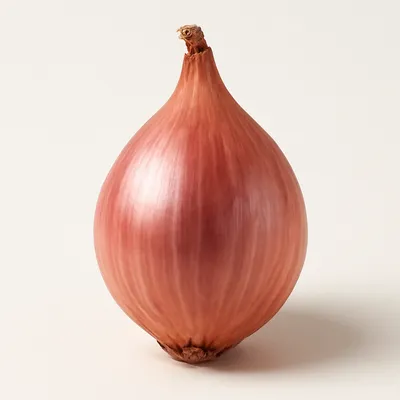
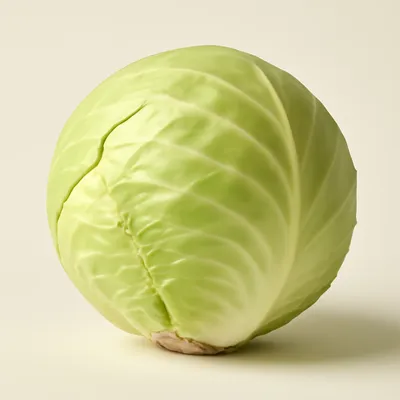
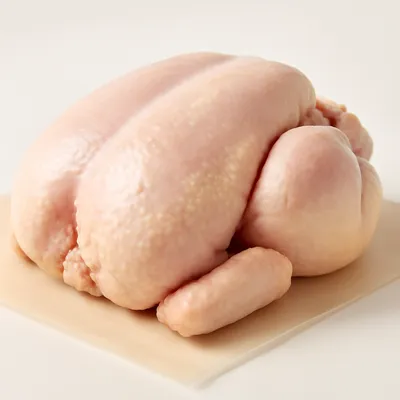
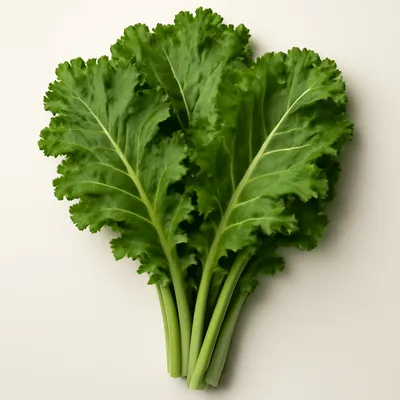
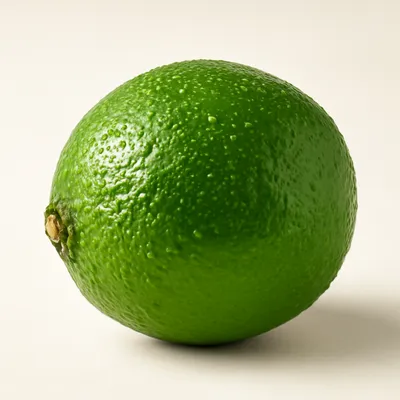
Mie goreng is Indonesia's everyday fried noodle: yellow egg noodles tossed in a hot wok with garlic, shallot, and a generous pour of kecap manis until each strand turns glossy and sweet-savoury. It carries cabbage, mustard greens, and egg, plus whatever protein is to hand — diced chicken, prawns, or meatballs — and is finished with fried shallots, a wedge of lime, and acar pickle. Sold by street carts, warungs, and instant-noodle brands alike, it is the noodle counterpart to nasi goreng and just as ubiquitous. The defining note is the dark, faintly smoky sweetness of caramelised sweet soy.



Mie goreng descends from the wok noodle-frying brought to the archipelago by Chinese traders and immigrants, the same lineage as bakmi and kwetiau, but it became thoroughly Indonesian once kecap manis — the thick, palm-sugar-sweetened soy sauce — was made its backbone. The word mie itself derives from Hokkien, a reminder of that Chinese root, while goreng is simply Indonesian for fried. There is no single inventor or founding date; it grew as a folk street-food staple across Java and the wider archipelago and was carried far beyond it by the country's instant-noodle industry in the late twentieth century. Today it is eaten everywhere, from late-night carts to home kitchens.
The first impression is sweet and savoury at once — kecap manis lacquers every strand a deep mahogany and leaves a sticky gloss on the lips. The noodles are springy with a faint char from the wok, the cabbage keeps a little crunch, and the egg clings in soft ribbons. Fried shallots add a toasty crackle, a squeeze of lime cuts the richness, and a spoon of sambal brings the heat. Each forkful is chewy, sweet, smoky, and bright in quick succession.
Two things make mie goreng work. First, the noodles are par-boiled and drained well, then often tossed with a little oil so they fry rather than steam in the wok; high heat and constant tossing give them a touch of wok hei, the smoky char of properly seared starch. Second, kecap manis behaves differently from ordinary soy: thickened with palm sugar to a near-syrup, it is sticky rather than watery, so it coats each strand and caramelises against the hot metal via the Maillard reaction, building both the dark colour and the deep sweet-savoury flavour. Adding it toward the end, after the aromatics and protein, prevents the sugar from scorching.
Variations
Mie goreng jawa leans sweeter and is often served with a little broth on the side; seafood versions pile on prawns and squid, while mie goreng instan is the famous packet noodle eaten nationwide. Vegetarian cooks build it on tofu and extra greens, and some stalls crown it with a fried egg, as for nasi goreng. The same kecap-manis treatment is given to flat rice noodles to make kwetiau goreng and to thin vermicelli for bihun goreng.
On the Palate
Where Mie Goreng sits in the Indonesian flavor cloud
Ingredients
Serves 2
How it's made
8 steps · 20 min active + 10 min waiting
- 18 min
Par-boil the egg noodles until just tender, drain, and toss with a little oil to keep them separate.
Watch outPar-boil the noodles just tender, drain well, and oil them — wet, clumped noodles steam in the wok instead of frying to that smoky char.
- 26 min
Finely chop garlic and shallot; slice the cabbage and mustard greens; dice the chicken or prepare the prawns.
- 32 min
Heat oil in a wok over high heat and fry the garlic and shallot until fragrant.
- 43 min
Add the chicken or prawns and stir-fry until cooked through.
- 52 min
Push everything aside, crack in the egg, and scramble it lightly before combining.
- 62 min
Add the cabbage and greens and toss until just wilted but still crisp.
- 74 min
Add the drained noodles and pour in the kecap manis, salt, and a little white pepper; toss hard until every strand is glossy and lightly charred.
Watch outAdd the sweet kecap manis toward the end and toss hard until every strand is glossy and lightly charred — its palm sugar caramelizes against the hot wok.
- 81 min
Plate and finish with fried shallots, a lime wedge, and acar pickle on the side.