Soto is a family of regional soups across the Indonesian archipelago, with documented variants by the 19th century — Soto Madura, Soto Lamongan, Soto Betawi, Soto Banjar, dozens more. The dish likely evolved from Chinese caudo (cao du, offal soup) brought by Hokkien immigrants and popular among the Chinese community in Semarang, then absorbed local aromatics and coconut. Each region claims its own; the yellow Javanese version is just one branch.
A family of regional soups across the archipelago, documented since the 19th century. Likely evolved from Hokkien cao du (offal soup); the bumbu — shallot, garlic, turmeric, candlenut, ginger, lemongrass — must fry until the raw smell breaks before broth goes in.
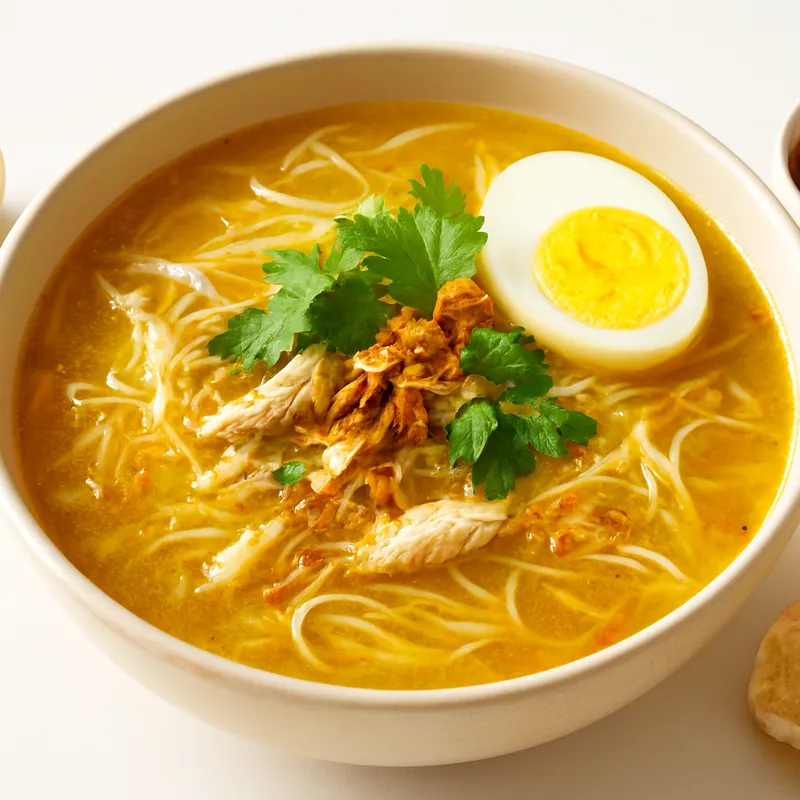
A bowl of yellow broth — turmeric and lemongrass on the steam — over rice or vermicelli, with shredded chicken, bean sprouts, fried shallots, a wedge of lime, and a spoon of sambal on the side. The first sip should taste of long-simmered chicken with kaffir lime brightness; if it tastes like turmeric powder, the spice paste was rushed.
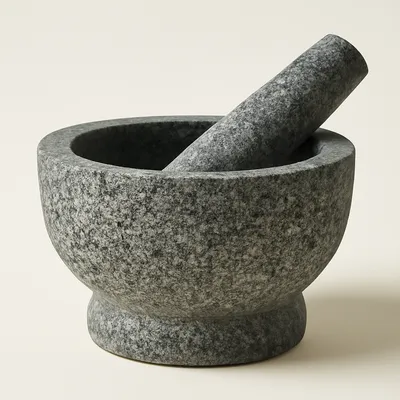
The bumbu (spice paste) is load-bearing: shallot, garlic, turmeric, candlenut, ginger, lemongrass — pounded and fried in oil until the raw smell breaks before the broth goes in. Skipping that fry leaves a chalky turmeric note. Garnish on the side, not in the pot, is the rule — sambal, fried shallot, lime stay crisp and acidic against the warm broth.
Variations
Soto Madura (clear, beef-heavy, lemongrass-forward); Soto Lamongan (yellow with koya powder of fried garlic and shrimp crackers); Soto Betawi (Jakarta — coconut milk and cow's milk together, offal-heavy); Soto Banjar (Kalimantan — chicken-and-cinnamon with potato cakes).
On the Palate
Where Soto sits in the Indonesian flavor cloud
Ingredients





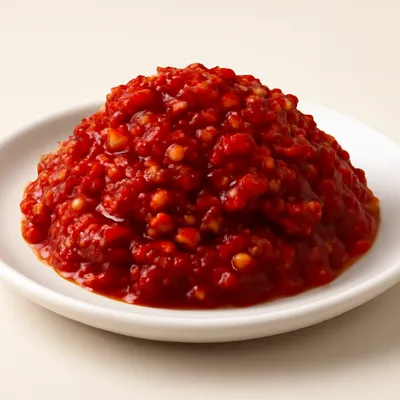

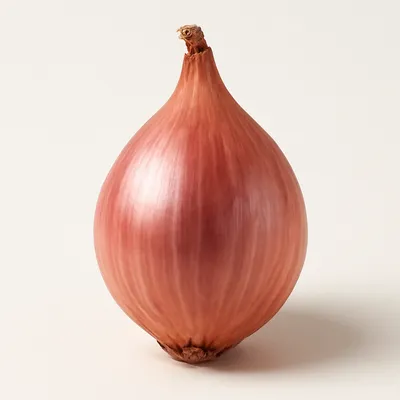





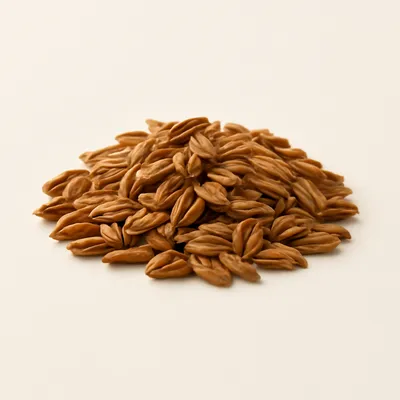
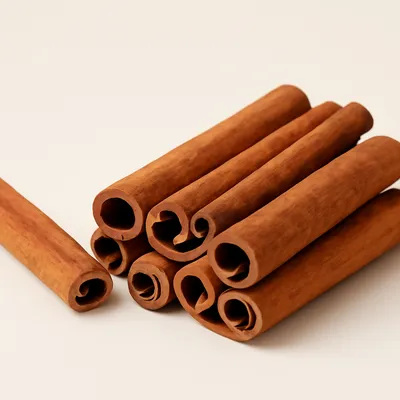
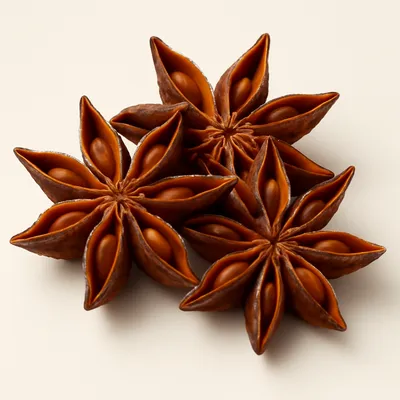


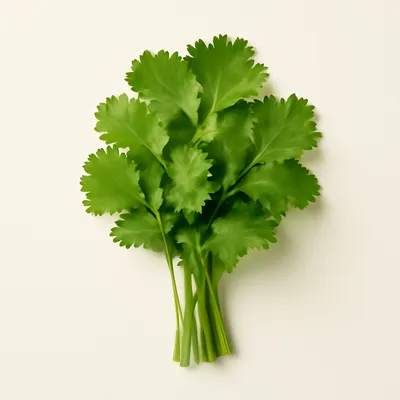
How it's made
6 steps · 1 hour 35 min
- 15 min
In a large pot, toast fennel, cumin, coriander seeds, and white peppercorns until fragrant. The spices should start to pop and release a warm, earthy aroma.
Watch outEnsure the spices do not burn; they should be fragrant but not dark.
- 210 min
Blend the toasted spices with shallots, garlic, ginger, turmeric, and chili into a smooth paste. Sauté this paste in a bit of oil in the pot until it turns golden and aromatic.
Watch outThe paste is ready when it stops smelling raw and sharp, turns a shade darker, and oil starts to seep out at the edges.
- 310 min
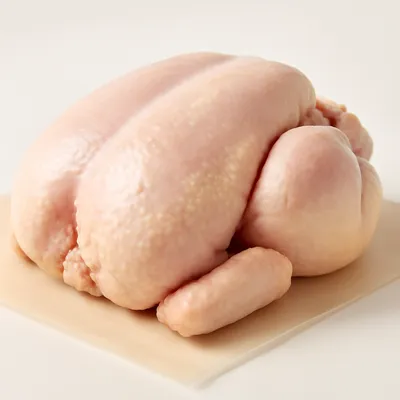
Add chicken pieces to the pot, coating them in the spice paste. Sear until the chicken is lightly browned and the spices cling to the skin.
Watch outMake sure the chicken is well-coated and browned; this enhances the flavor.
- 460 min
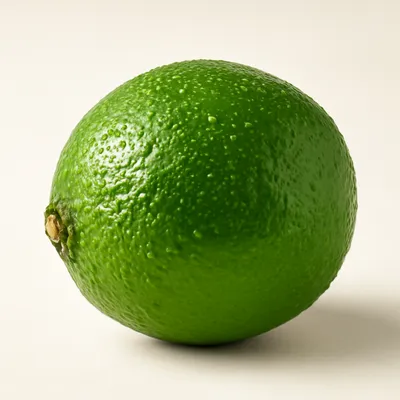
Pour in water, add lemongrass, cinnamon, star anise, and kaffir lime leaves. Simmer the soup gently, allowing the flavors to meld and the chicken to cook through, about an hour.
Watch outHold the pot at a lazy simmer with only a few bubbles breaking; a hard boil clouds the broth and toughens the chicken.
- 55 min
Strain the broth and return it to a boil. Stir in coconut milk and adjust seasoning with salt. The soup should be rich and aromatic, with a hint of creaminess from the coconut milk.
Watch outStir coconut milk in off the boil and taste for salt right away — the flavour flattens fast once the coconut goes in.
- 65 min
To serve, place cooked rice vermicelli in bowls, top with shredded chicken, bean sprouts, and a halved hard-boiled egg. Ladle the hot broth over, finishing with fried shallots, sliced red chili, and fresh coriander.
Archive tool suggestions — not reviewed
These legacy suggestions have not been evidence-reviewed and are not presented as required tools.