Javanese
Gado-Gado: vegetable salad, peanut sauce.
Gula Jawa
Gula jawa, or Javanese palm sugar, imparts a characteristic sweetness that defines many Javanese dishes, especially in Yogyakarta's kraton cuisine.
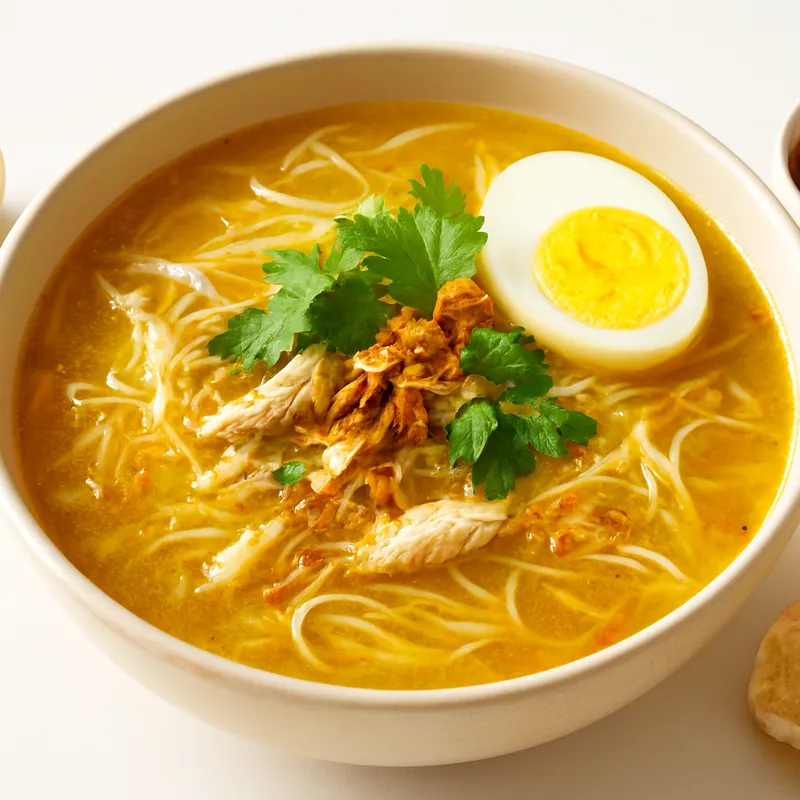
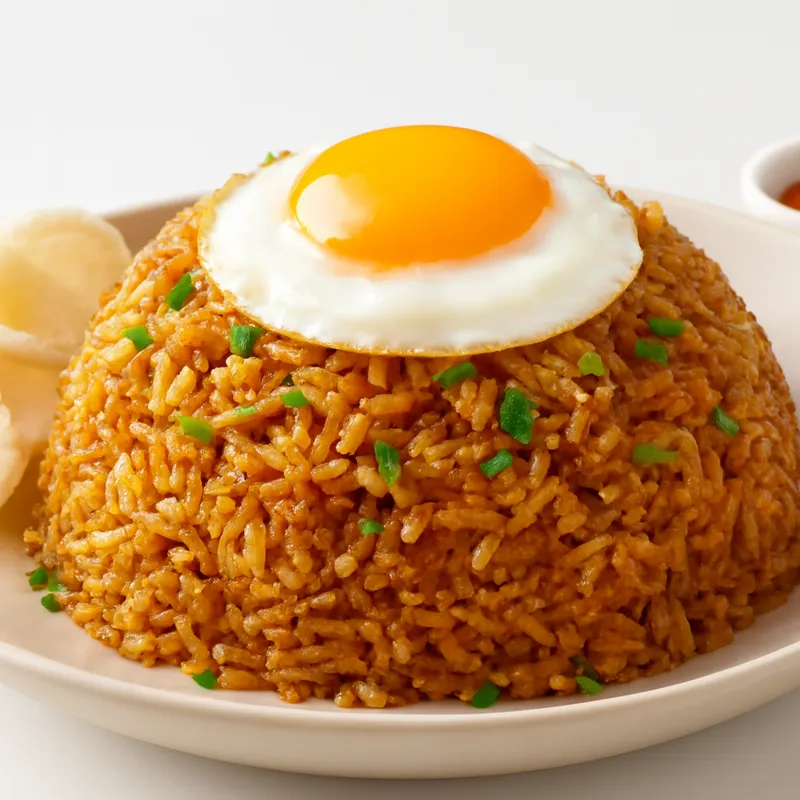
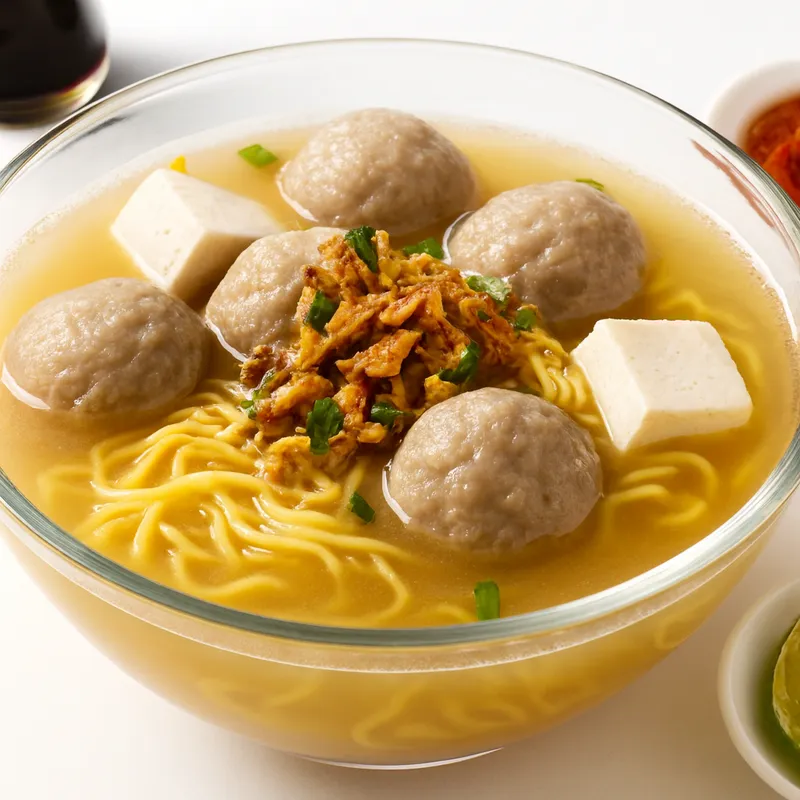
View page →Javanese food is the everyday street and market cooking of central and eastern Java, Indonesia's most populous island, and it skews notably sweet thanks to a free hand with palm sugar and kecap manis, a thick sweet soy sauce. The two dishes you find on every corner are gado-gado, blanched vegetables, tofu, tempeh and egg under a thick peanut sauce, and soto, a turmeric-yellow chicken soup ladled over rice or noodles with fried shallots and lime. Nasi goreng, fried rice glazed dark with kecap manis and topped with a fried egg, is the standard quick meal, while bakso, springy beef meatballs in clear broth, is the favorite snack. Sweet-and-savory martabak, a thick pan-fried pancake stuffed with anything from egg and meat to chocolate and cheese, is the late-night treat, all of it eaten with a sambal chili paste close at hand.
Start Here
Gudeg is Yogyakarta's coronation dish: young jackfruit braised six to eight hours in coconut milk, palm sugar, and teak leaves until the fruit collapses into a deep reddish-brown sauce of dizzying sweetness.
Why start here · More than any other Javanese dish, Gudeg shows the slow-cooked, palm-sugar-forward sweetness that defines Yogyakarta's palace-court cuisine.
Rawon is East Java's jet-black beef soup — colored not by spice but by fermented kluwek nuts that bring deep mushroom-truffle umami unlike anything else in Indonesian cooking.
Why start here · Rawon introduces the most distinctive flavor in all of Javanese cuisine — fermented kluwek nuts produce an umami profile found nowhere else in Indonesia.
Nasi Liwet is Solo's royal breakfast: rice cooked in coconut broth with lemongrass and salam leaves, served on banana leaf with opor chicken, telur pindang, and sambal goreng krecek arranged around the rice mound.
Why start here · Nasi Liwet teaches the Javanese 'liwet' technique — cooking rice in flavored coconut broth — which is the technical foundation of many regional rice dishes.
The Pantry

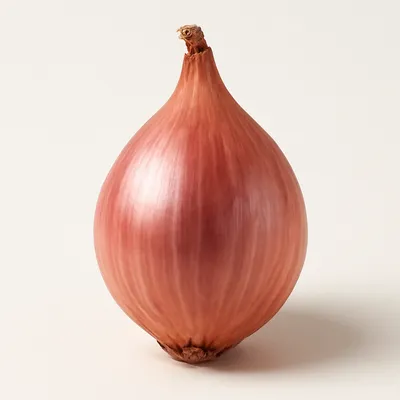


See all 108 ingredients›














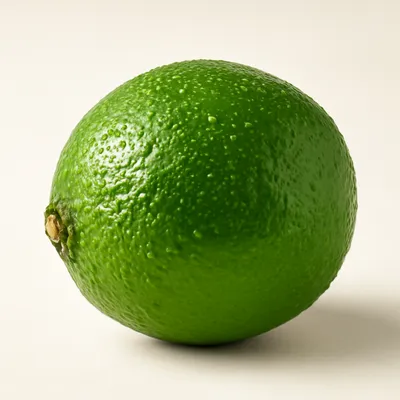
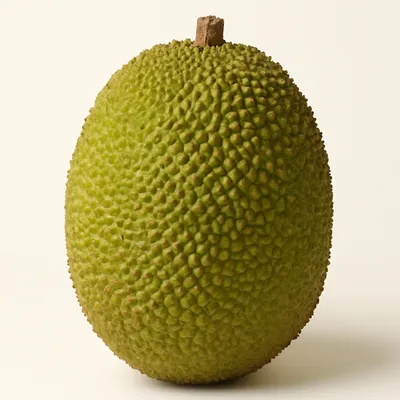


Herbs & Spices





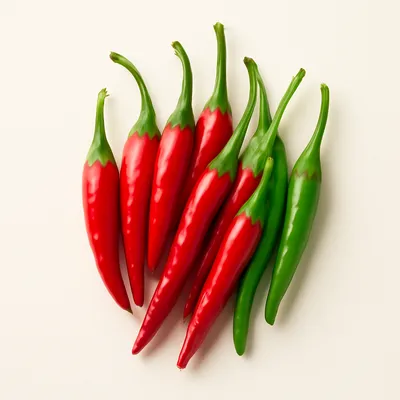
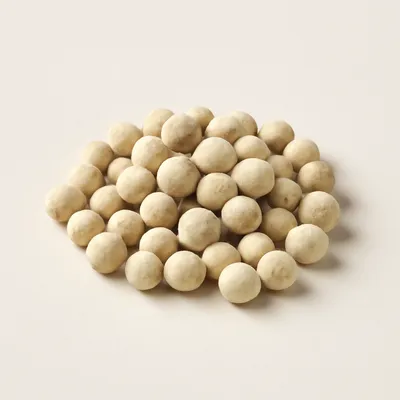
Grains & Staples






Dairy & Fats











How They Cook
Techniques that define this cuisine
Kindred Kitchens
Cuisines built on the same signature ingredients
Other regions
Siblings within Indonesian — each its own tradition.