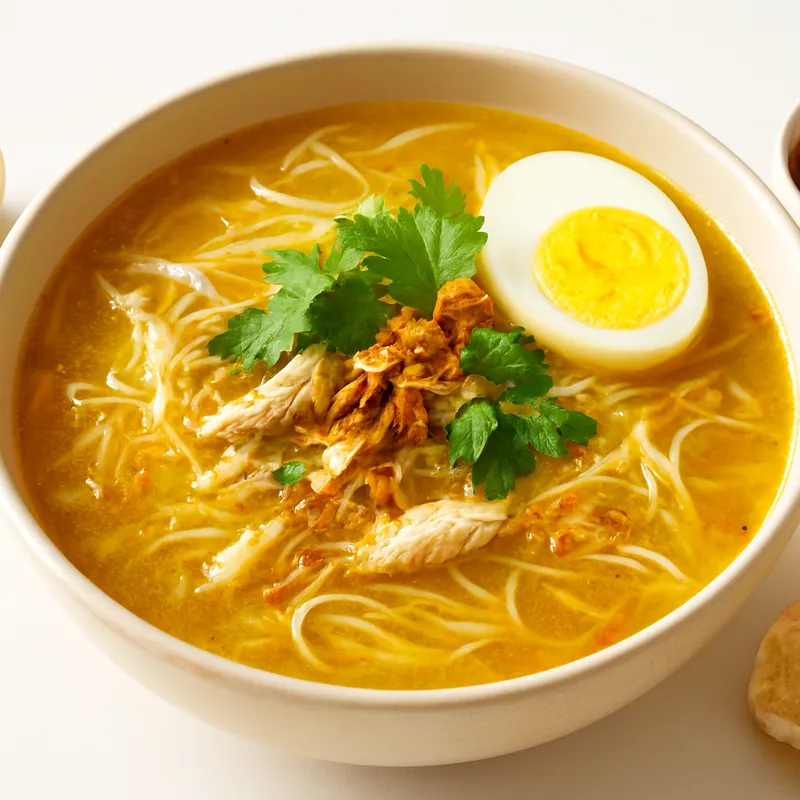
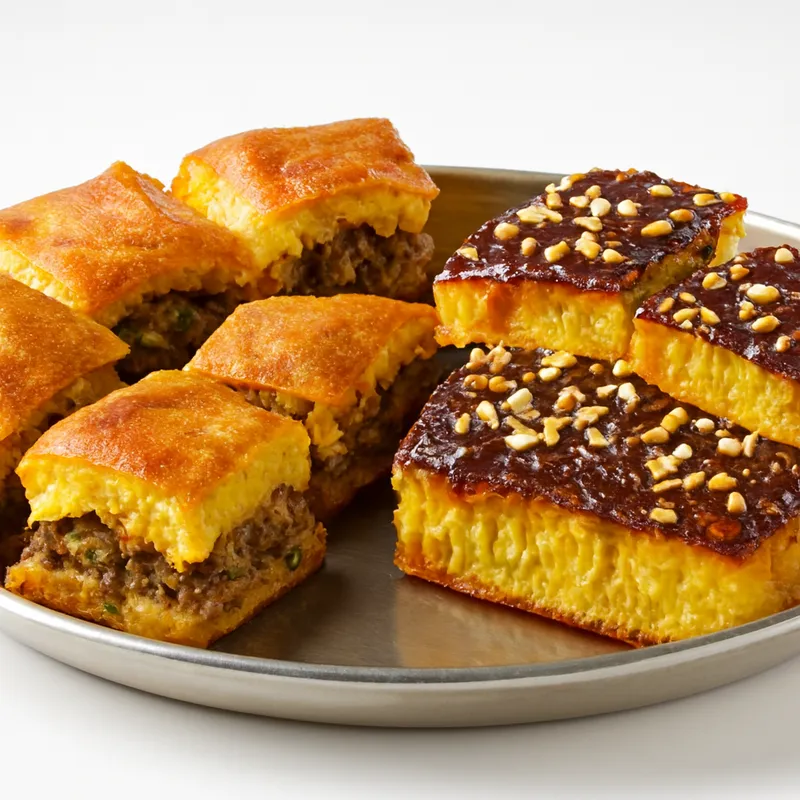
Gula Jawa is crafted from the sap of the Arenga palm, boiled down into thick, amber discs. The process begins with tappers collecting the sap in bamboo containers, which is then simmered over a gentle flame. The kitchen fills with the rich, smoky aroma as the sap reduces, transforming into a dense, pliable mass. Once cooled, it hardens into discs, each one the color of warm earth and veined with darker streaks. In dishes like Soto and Rendang, Gula Jawa imparts a complex sweetness that balances the spices and enhances the umami. Its caramel notes deepen the broth of Soto, while in Rendang, it melds with coconut and chili, creating a symphony of flavors that dances on the palate. The test for 'done' is the moment when the sugar's sweetness harmonizes perfectly with the dish's spices, neither overpowering nor lost.
Where it comes from
In the lush, tropical climes of Java, Gula Jawa emerged during the Majapahit Empire in the 13th century. The fertile volcanic soils and abundant palm trees provided the perfect environment for cultivating this distinctive sugar. Palm sap was traditionally collected by skilled tappers who scaled towering trees at dawn, their feet gripping the rough bark as they ascended towards the sky. As trade routes flourished across the Indonesian archipelago, Gula Jawa spread to neighboring islands, becoming a staple in regional cuisines. Unlike Thai or Malaysian palm sugars, which often incorporate coconut or other ingredients, Javanese Gula Jawa is prized for its pure, unadulterated palm essence. Its unique preparation method and flavor profile made it a defining ingredient in Javanese culinary tradition, setting it apart from other Southeast Asian variants.
In the kitchen
Gula Jawa, the smoky sweetness of Javanese palm sugar, enriches Indonesian dishes with a caramel depth.
Nutrition (per 100g)
Values are AI-estimated, not from a laboratory database