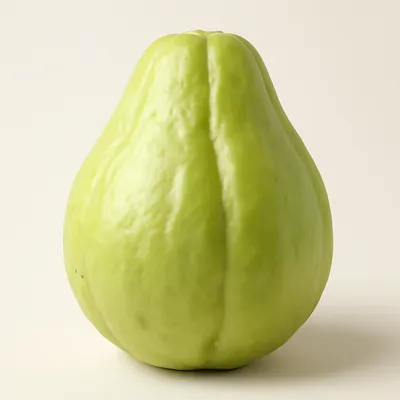
From Java, with the name appearing in print by the early 20th century — gado-gado in old Javanese means "mix-mix." The dish almost certainly predates the name; the dish's precise origin is undocumented; peanut sauce as a vegetable dressing is a long-established Javanese kitchen technique. Versions vary across the archipelago — Jakarta's gado-gado Betawi adds chayote and a sweeter sauce; the Surabaya version uses petis (shrimp paste) for funk.
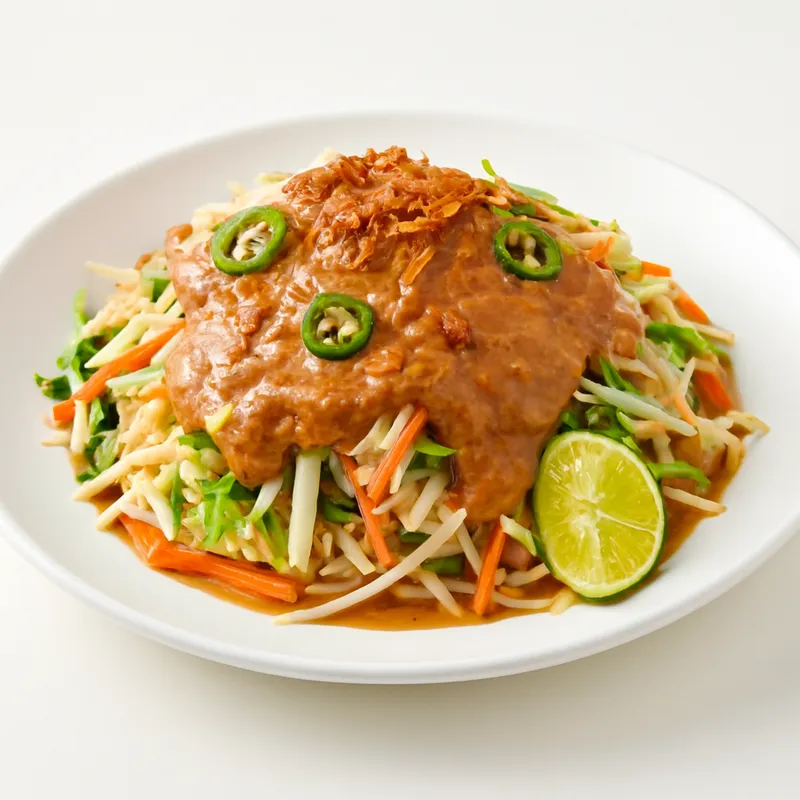
Javanese mixed-vegetable salad, peanut sauce as binder. The kerupuk (cracker) on top isn't decoration — it's the structural crunch the salad lacks.
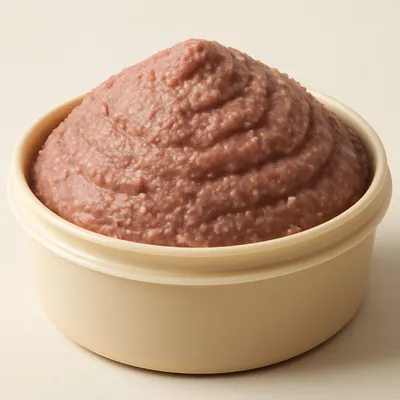
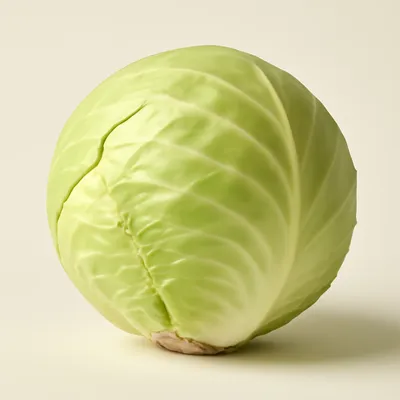
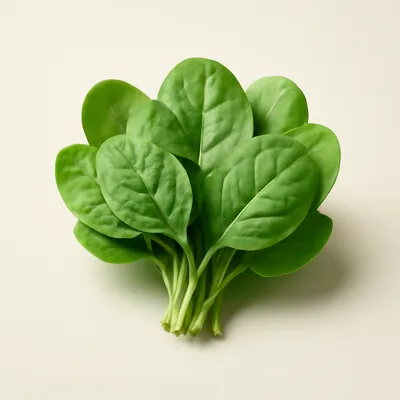
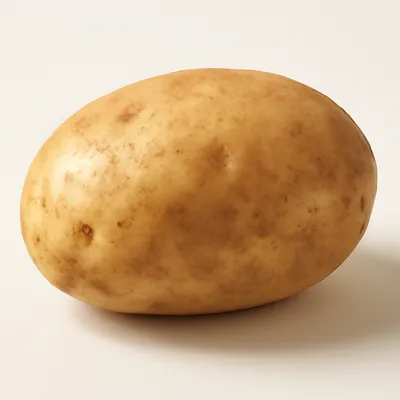
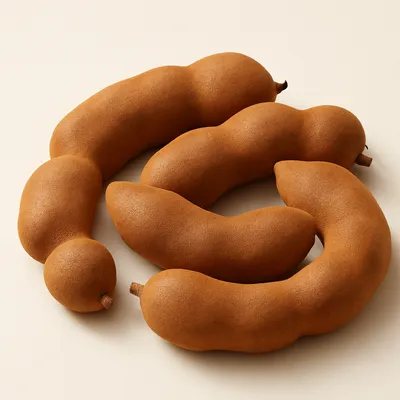
A composed plate, not a tossed salad: blanched long beans, cabbage, bean sprouts, and spinach laid alongside fried tofu, tempeh, boiled potato, hard-boiled egg, and slices of cucumber. A thick brown peanut sauce — chunky, with palm sugar and tamarind, lifted by lime leaf — is spooned over at the table. Krupuk (prawn cracker) goes on top for crunch. The peanut should taste roasted, not sweet first.
Peanuts are roasted then ground while still warm so the oil starts to release — that's where the body comes from. Cold-ground peanuts make a sandy paste. The sauce is loosened with coconut milk or hot water to a pourable thickness only at the moment of serving; it sets stiff in minutes. Vegetables are cooked separately to preserve color and individual texture, never together in one pot.
Variations
Gado-gado betawi (Jakarta, more vegetables); gado-gado siram (sauce poured over); ketoprak is the Jakartan rice-noodle cousin; pecel is the East Javan version.
On the Palate
Where Gado-Gado sits in the Indonesian flavor cloud
The whole plate rides on the peanut sauce: roast the peanuts, then grind them while still warm so the oil starts to release and the paste turns rich and glossy — cold-ground peanuts go sandy, and thin it with coconut milk to a barely-pourable sauce only at the moment of serving.
Ingredients











How it's made
5 steps · 40 min
- 15 min
Bring a pot of water to a boil and blanch the cabbage until just tender. Remove and immediately plunge into ice water to retain its vibrant color and crispness.
Watch outPull the cabbage the instant it turns tender-crisp and still vivid green, then straight into ice water — a few seconds too long and it goes drab and floppy.
- 28 min
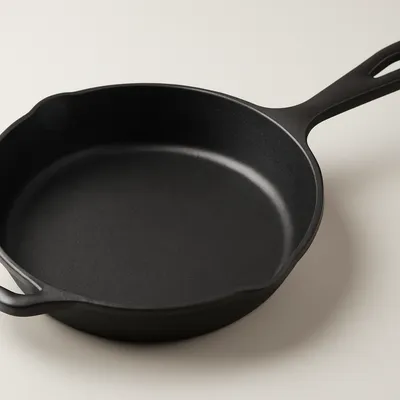
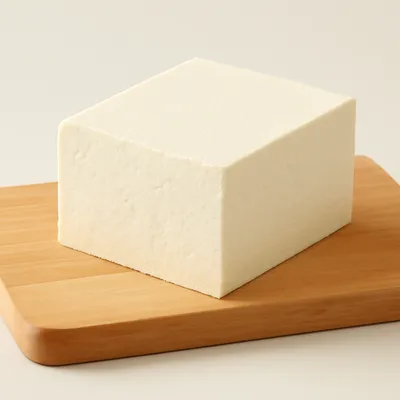
In a skillet, fry the tofu until golden brown on all sides. The tofu should be crispy on the outside while remaining soft inside.
Watch outFry the tofu until it's deep golden and crisp-skinned all over but still soft inside — a pale, soft crust soaks up sauce and turns soggy.
- 312 min
Boil the eggs until hard-boiled, about 10 minutes. Cool under running water, peel, and slice them neatly.
Watch outDo not overcook the eggs, as this can lead to a greenish ring around the yolk.
- 410 min
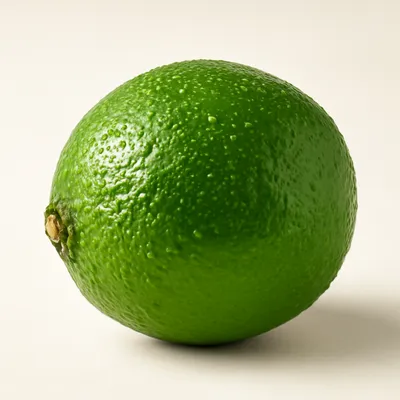
Prepare the peanut sauce by blending peanuts with garlic, chili pepper, tamarind, and lime juice. The sauce should be smooth and slightly thick, with a balance of spicy, tangy, and nutty flavors.
Watch outTaste the sauce and chase the four-way balance — spicy, sour, nutty, sweet all showing — then adjust with lime and sugar before it ever meets the vegetables.
- 55 min
Assemble the salad by layering the blanched cabbage, cucumber slices, fried tofu, and boiled eggs. Drizzle generously with the peanut sauce, ensuring each component is well coated.
Watch outMake sure to coat each layer evenly with the peanut sauce for balanced flavor in every bite.
Archive tool suggestions — not reviewed
These legacy suggestions have not been evidence-reviewed and are not presented as required tools.