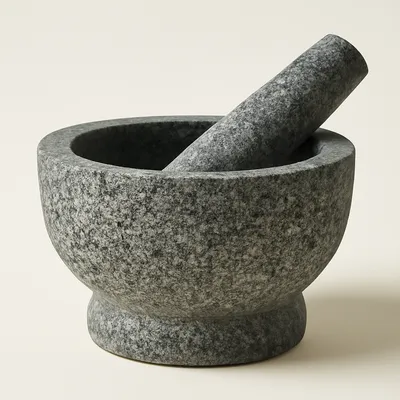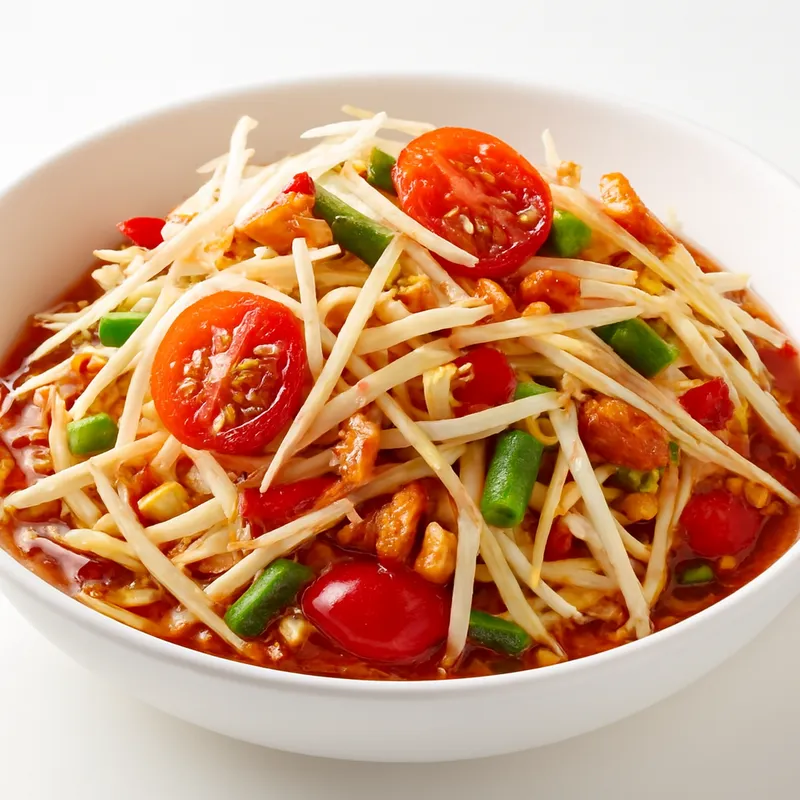
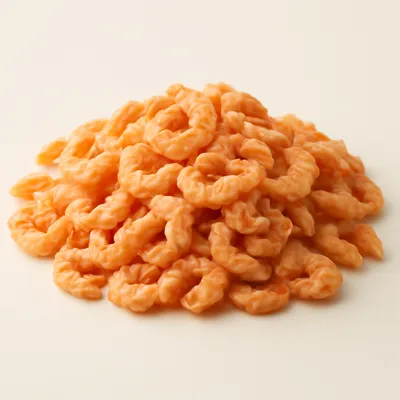
Thai green papaya salad pounded in a mortar with dried shrimp, peanuts, chili, lime, and fish sauce.





Som tum (literally 'sour pounded') comes from Isaan, Thailand's northeast region bordering Laos, where it's called tam mak hoong on the Lao side. Green papaya itself is a New World fruit (papaya reached Southeast Asia via Spanish/Portuguese trade in the 16th–17th centuries), so the dish is at most 300–400 years old. It migrated into Bangkok in the 20th century with Isaan labor migration and became Thai-national from there.
Isaan green-papaya salad pounded in a clay mortar — pla ra (fermented fish), tamarind, palm sugar, lime, dried shrimp, and a fistful of bird chilis. The 'thump' rhythm is how you tell a Lao-Isaan vendor from an imitation.
Shredded green papaya in a wet, glossy dressing — the salad is built in the mortar itself: garlic and chili pounded first, then dried shrimp, peanuts, palm sugar, fish sauce, lime, tomato, long bean, all bruised together with a wooden pestle. Crunchy, sour-first, then chili heat that climbs. Eaten with sticky rice and grilled chicken; the rice soaks up the dressing pooled at the bottom of the bowl.
Pounding, not mixing, is the technical move — the pestle bruises the papaya shreds enough that they release water and absorb dressing, while keeping the crunch a knife-tossed salad would lose. Dressing balance is regional: Isaan/Lao versions use pla ra (fermented fish) and stay funkier and saltier; Bangkok versions swap in plain fish sauce and more sugar, becoming sweeter and tamer. Order matters: hard ingredients first, soft last.
Variations
Som tum thai (sweeter, with peanuts, no fermented fish, Bangkok export version); som tum poo (with salted black crab, Isaan); som tum pla ra (full-funk version with fermented fish); tum sua (with khanom jeen rice noodles); Lao tum mak hoong is the original.
- ·Pounded in a mortar
- ·Includes dried shrimp and peanuts
- ·Classic Thai street food
On the Palate
Where Som Tum sits in the Thai flavor cloud
Pound, don't chop or stir: bruise the papaya shreds with the pestle just enough to make them weep juice and drink in the dressing, while keeping their crunch — a knife-tossed salad stays dry and slippery, an over-pounded one goes mushy.
Ingredients


How it's made
4 steps · 11 min
- 13 min
In a large mortar, place the garlic cloves and chili peppers. Pound them gently until they release their aroma and oils, forming a coarse paste.
Watch outStop pounding the garlic and chili while they're still a coarse, chunky paste — mashed to a smooth purée and the chili heat turns harsh and one-note.
- 22 min
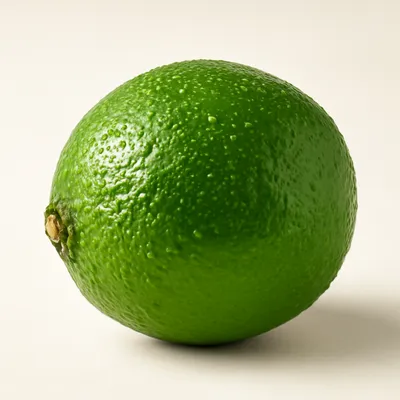
Add the fish sauce, lime juice, and palm sugar to the mortar. Continue to pound and mix until the sugar dissolves completely, integrating the flavors into a harmonious dressing.
Watch outEnsure the palm sugar is fully dissolved to avoid graininess in the dressing.
- 34 min
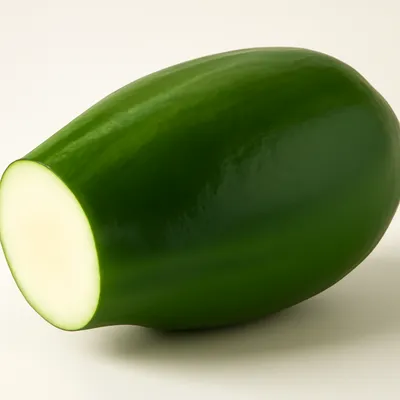
Introduce the shredded green papaya, green beans, and tomatoes into the mortar. Lightly pound and toss, ensuring the vegetables are well coated with the dressing and start to soften slightly.
Watch outThe shreds are ready when they've darkened and slumped a touch and juice pools at the bottom of the mortar — that liquid is the dressing pulling into the papaya.
- 42 min
Add the peanuts last, giving a few more gentle pounds to integrate them into the salad without crushing them completely. Taste and adjust seasoning as needed.
Watch outGive the peanuts only two or three light taps — you want them cracked and craggy for texture, not ground into the dressing.
Archive tool suggestions — not reviewed
These legacy suggestions have not been evidence-reviewed and are not presented as required tools.