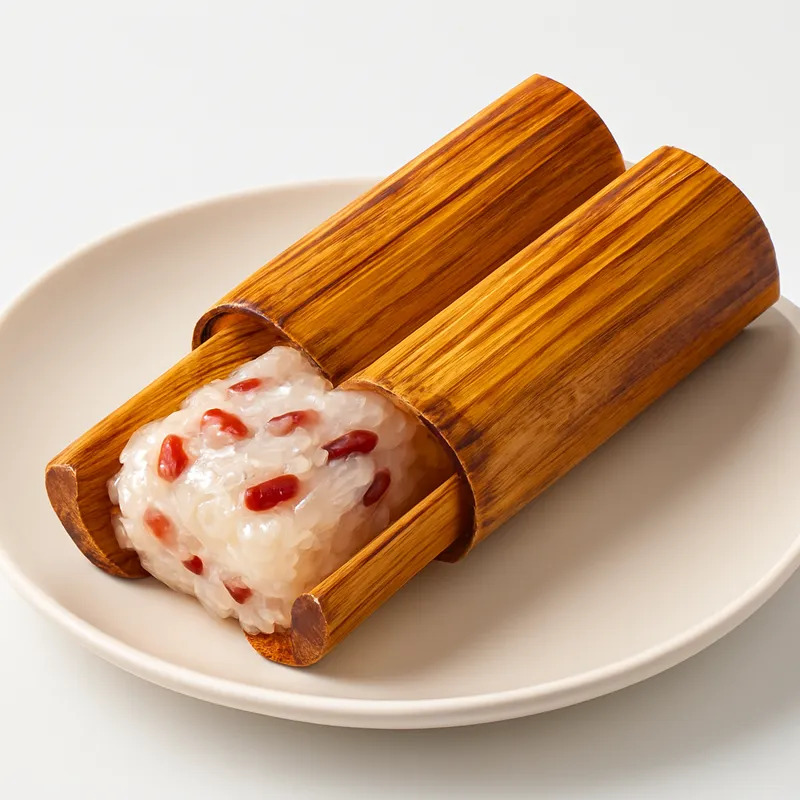
Sticky rice cooked in bamboo tubes, often served as a snack.




A Khmer New Year (Choul Chnam Thmey, mid-April) ritual food, traditionally made by villagers along Highway 5 between Phnom Penh and Battambang — the road is still lined with kralan stalls during festival season. Bamboo cookery itself is older than written Khmer history; the dish endures because the bamboo is both vessel and seasoning, no pots required.
Khmer New Year ritual food, sold along Highway 5 between Phnom Penh and Battambang during festival season. Young bamboo only — older bamboo doesn't release the right aromatics and splits on fire. The pink inner-bamboo membrane that lifts off the rice is the seasoning.
A bamboo tube the length of a forearm, charred black on the outside; inside, sticky rice pressed against the bamboo wall has formed a thin pinkish skin. Filled with glutinous rice, black beans, grated coconut, and palm sugar, then roasted whole over open fire. Peeled by tearing the bamboo back like a banana skin. Faintly smoky, sweet-savory, eaten with hands as roadside snack food.
Young bamboo only — older bamboo doesn't release the right aromatic compounds and risks splitting on the fire. The thin pink membrane that lifts off the rice is the bamboo's inner skin, partly transferred during cooking; that skin is the seasoning and the texture marker. Rice must be soaked overnight before stuffing or it cooks unevenly inside the sealed tube.
Variations
Battambang Highway 5 version (black beans, palm sugar, the canonical roadside snack); Kampong Cham riverside stalls add taro chunks; Khmer Krom (southern Vietnam) cook it with peanuts; Siem Reap tourist markets shorten the bamboo to single-bite portions.
On the Palate
Where Kralan sits in the Cambodian flavor cloud
Ingredients

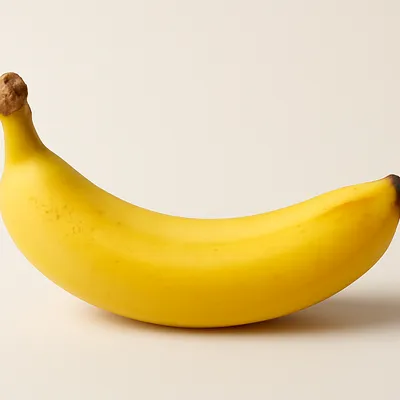
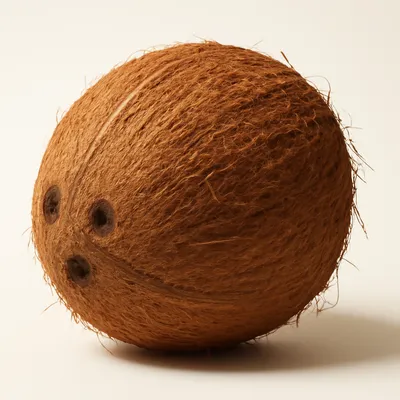
How it's made
5 steps · 33 min
- 15 min
Rinse the sticky rice thoroughly under cold water until the water runs clear. This removes excess starch and prevents clumping.
- 23 min
In a large mixing bowl, combine the rinsed sticky rice with coconut milk and a pinch of salt, stirring until the rice is fully coated and the coconut milk is evenly distributed.
- 310 min
Carefully fill the bamboo tubes with the coconut rice mixture, tapping gently to settle the rice without compressing it too much.
- 410 min
Place the filled bamboo tubes upright over a medium flame or charcoal grill. Roast them, turning occasionally, until the bamboo is charred and the rice inside is cooked and fragrant, about 45 minutes.
Watch outEnsure the bamboo doesn't catch fire; the goal is a slow, even roast.
- 55 min
Once roasted, carefully split the bamboo open and serve the sticky rice warm, either as a savory side or a sweet treat.
Archive tool suggestions — not reviewed
These legacy suggestions have not been evidence-reviewed and are not presented as required tools.
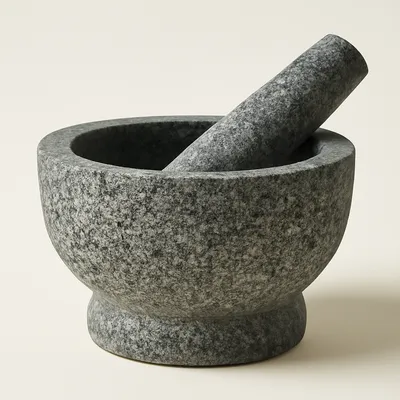
The simplest tool in any kitchen: a heavy bowl and a club to bash things in it. Different cuisines use different stones — Thai cooks pound green papaya in a tall granite mortar (krok hin); pesto Genovese requires the soft-pored Carrara marble; Indian masalas grind down on rough basalt. The bash-don't-cut motion releases volatile oils that a blade keeps sealed in the cell wall.
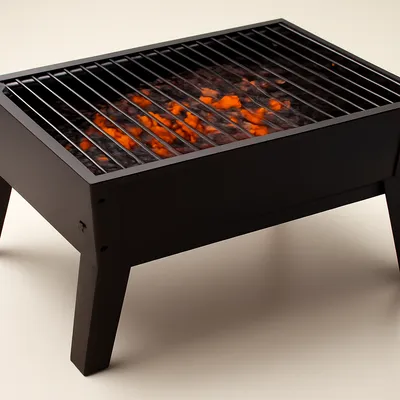
An open or hooded metal frame holding a bed of glowing charcoal embers, with a grate above. Charcoal burns at 700°C+ on the surface and emits short-wave infrared, which cooks proteins faster and with deeper Maillard browning than gas. Hardwood lump charcoal (oak, mesquite, fruitwood) lends its own smoke; cheap briquettes do not. Mastery is mostly heat zoning — direct over coals for searing, indirect off-coals for slow-roasting.