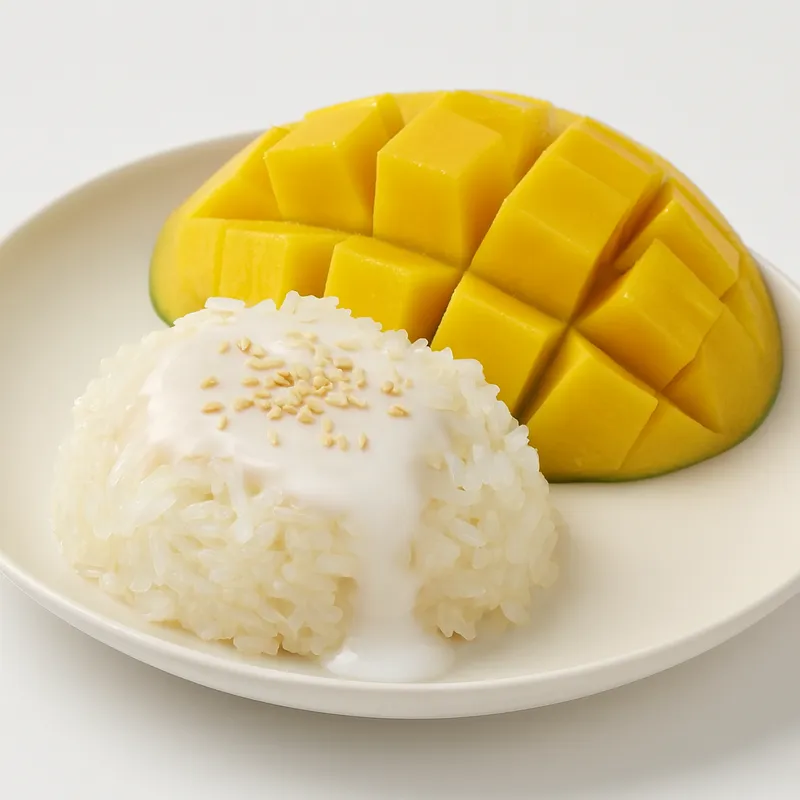
Beloved Thai dessert of sweet coconut-steamed sticky rice served with ripe mango and a drizzle of coconut cream.


Tied to mango season, late March through May, when nam dok mai mangoes ripen in central Thailand. Sticky rice cooked in coconut milk is older — it appears in the 1908 royal cookbook 「Mae Krua Hua Pa」— but the pairing with mango became standardized as a hot-season street dessert through the 20th century. The salted coconut sauce is the Thai feature; sweet-only versions are a foreign edit.
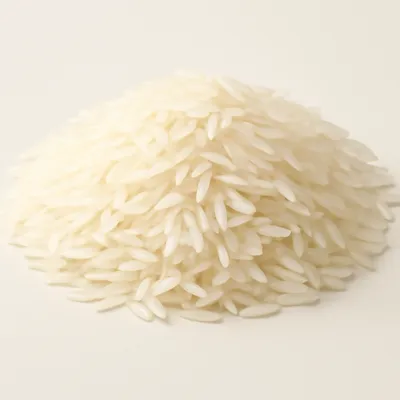
Khao niao mamuang — Thai sticky rice steamed in a bamboo basket, dressed with salted-coconut cream, served with Nam Dok Mai or Ok Rong mango. The salt in the cream is what keeps it from being one-note sweet.
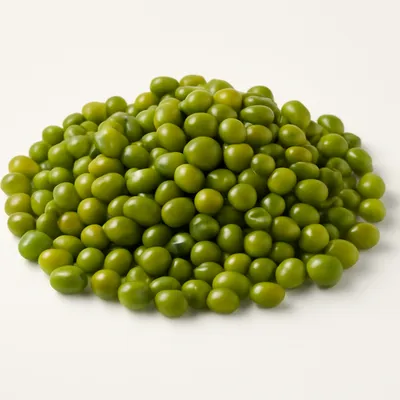
Half a peeled, ripe nam dok mai mango sliced beside a mound of warm sticky rice cooked in coconut milk salted enough to read as savory. A second pour of thicker coconut cream, sometimes with toasted mung beans or sesame, goes on at the table. Rice should be glossy and just-warm; cold rice tightens and turns chalky.
Two coconut sauces, not one: the first is salted and absorbed into the rice during steaming, seasoning it through; the second is thicker, slightly sweetened, poured on at service. Conflating the two flattens the dish — sticky rice without the salted soak tastes like plain glutinous rice with sugar on top.
Variations
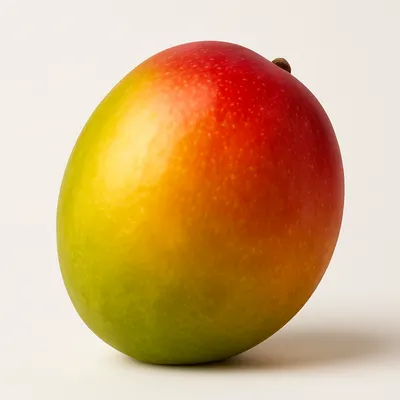
Nam Dok Mai (sweetest mango, peak in April); Ok Rong (smaller, more aromatic); black sticky rice version uses unpolished glutinous rice and is heavier; Lao khao niao mak muang is identical in technique; Cambodian bay damnaeb sankya uses durian instead.
- ·Served with ripe mango and coconut cream
On the Palate
Where Mango Sticky Rice sits in the Thai flavor cloud
Season the rice through the salted coconut soak while it is still warm, then reserve a thicker sweet coconut sauce for the top — the salt in the rice is what makes this a dish and not just sugared glutinous rice.
Ingredients
How it's made
6 steps · 55 min active + 4 hours waiting
- 15 min
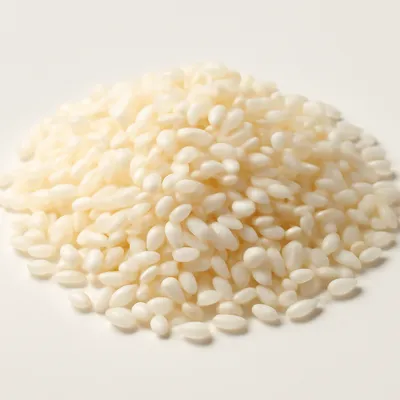
Rinse the sticky rice under cold water until the water runs clear, then soak it in fresh water for at least 4 hours or overnight. This will ensure the rice is soft and sticky when cooked.
Watch outThe rinse water should go from milky to clear, and after soaking a grain should crush easily between your fingers.
- 230 min
Drain the soaked rice, then steam it over boiling water for about 30 minutes until tender and sticky. It should have a glossy, translucent appearance when done.
Watch outDone rice turns glossy and translucent, not chalky-white in the center.
- 35 min
In a saucepan, combine coconut milk, sugar, and a pinch of salt. Heat gently over medium heat, stirring until the sugar dissolves completely. Do not allow the mixture to boil.
Watch outPull the sauce off the heat the moment the sugar and salt melt in — the surface should stay smooth, never bubbling.
- 45 min
Once the rice is cooked, transfer it to a large bowl and gradually stir in most of the coconut milk mixture, reserving some for serving. Cover and let it sit for about 10 minutes to allow the flavors to meld.
Watch outAfter ten minutes covered the rice should look moist and lacquered, having drunk in the sauce.
- 55 min
Peel and slice the mangoes into thin wedges. The fruit should be ripe and fragrant, adding a natural sweetness to the dish.
- 65 min
To serve, scoop the sticky rice onto a plate, arrange the mango slices alongside, and drizzle the reserved coconut milk over the top. Optionally, sprinkle with crispy mung beans for a crunchy contrast.
Archive tool suggestions — not reviewed
These legacy suggestions have not been evidence-reviewed and are not presented as required tools.