

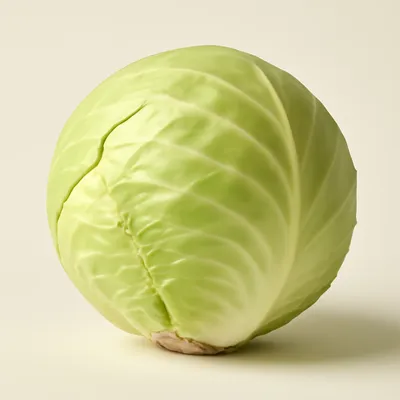
What Rengatei in Tokyo's Ginza created around 1895 was the thin, shallow-fried 'pork cutlet' (ponku katsuretsu) — chef Motojiro Kida swapped the French côtelette de veau's veal for pork and served it with rice, but it was still eaten Western-style with a knife and fork. The thick, deep-fried, pre-sliced tonkatsu eaten with chopsticks is generally credited to Ponchi-ken in Ueno around 1929, where former Imperial Household chef Shinjiro Shimada cut the pork 2.5–3 cm thick and deep-fried it. The raw shredded cabbage came from a labor shortage during the Russo-Japanese War (1904–05): with young staff conscripted, Rengatei switched from boiled to raw cabbage to skip a cooking step, and after coarse-chopped cabbage flopped, settled on fine shreds, which diners liked for cutting the grease — and it stuck. The dish defined yoshoku (Western-style Japanese) cooking.
An 1899 Tokyo invention sold as Western food, eaten with chopsticks, and served with rice. The panko shatter is the whole game.
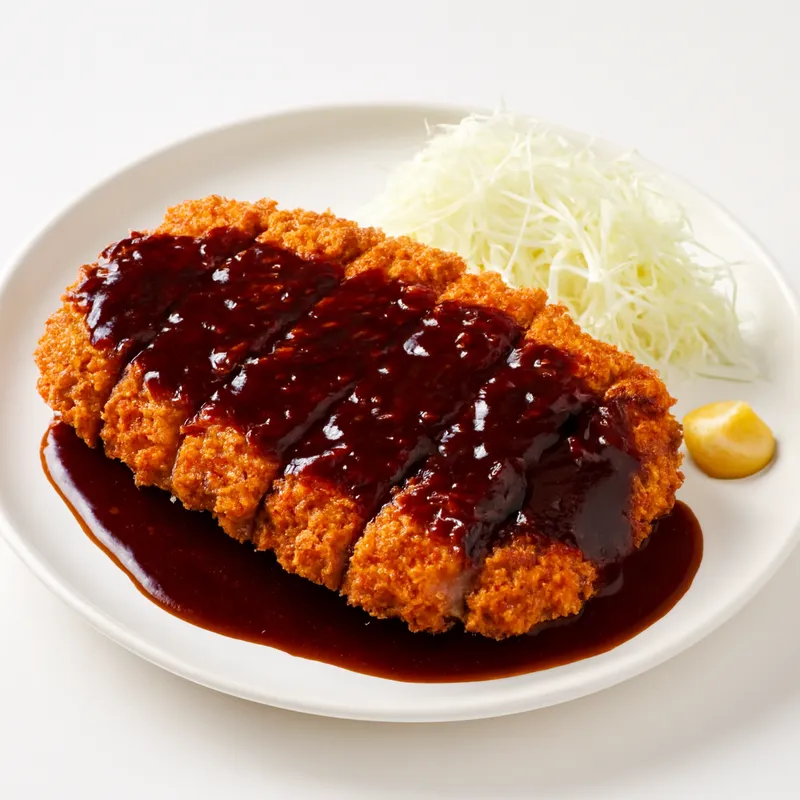
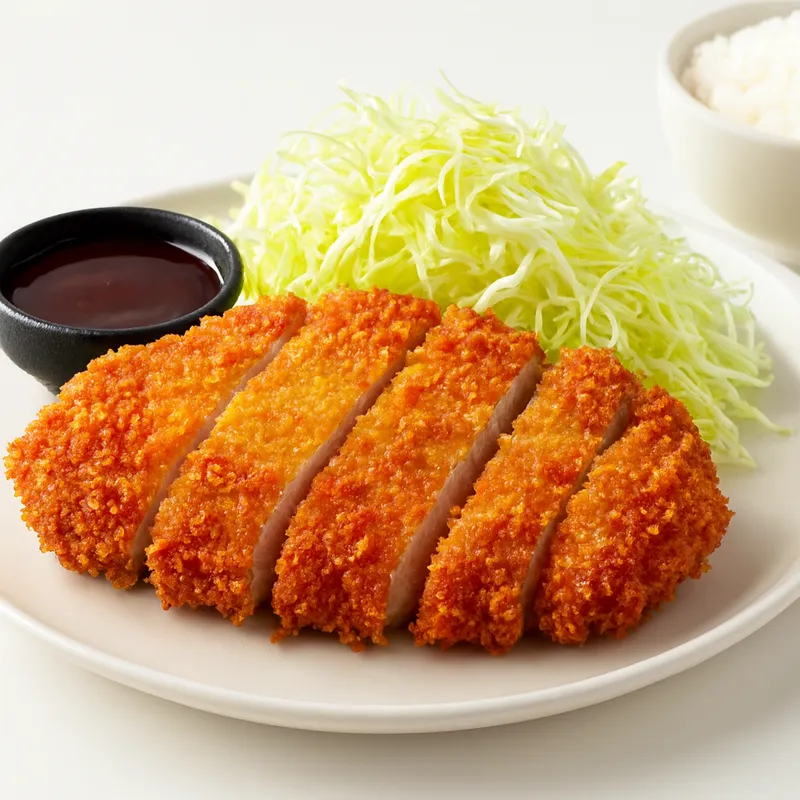
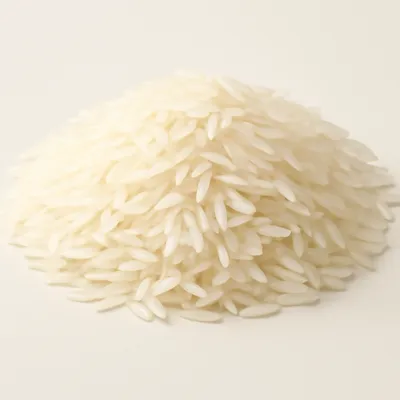
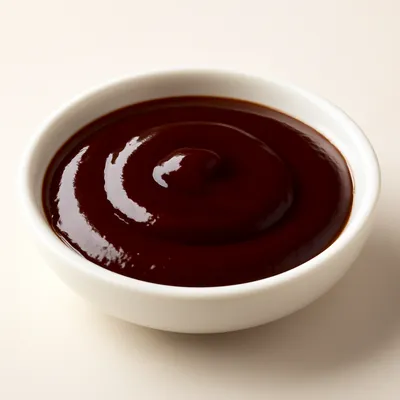
A thick pork loin or fillet cutlet, breaded in coarse panko and deep-fried to a pale gold; sliced crosswise so the pink-tinged interior shows. Served on shredded raw cabbage with a dollop of dark, fruity tonkatsu sauce, white rice, miso soup, and Japanese mustard on the side. The crust should crackle audibly when bitten; soggy panko means the oil was too cool.
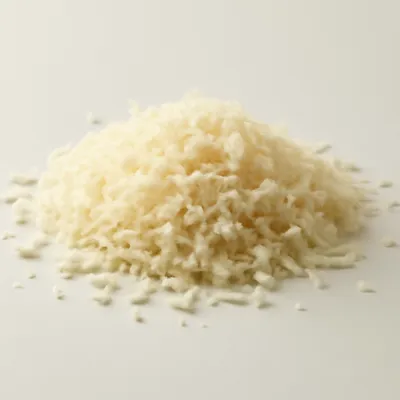
Panko is non-negotiable. Unlike Western breadcrumbs (made from crust-on bread), panko is from crust-less white bread shredded into long flakes — the open structure traps less oil and stays crisp longer. Double-frying (low temp 160°C to cook through, then high temp 180°C to crisp) is what separates shop-grade tonkatsu from a home pan-fry. Resting the meat at room temp before breading keeps the center juicy.
Variations
Hire-katsu uses fillet (leaner), rosu-katsu uses loin (fattier); miso-katsu in Nagoya swaps the sauce for hatcho miso.
On the Palate
Where Tonkatsu sits in the Japanese flavor cloud
Get the oil temperature right and use real panko — fry too cool and the coating drinks oil and turns greasy, too hot and it browns before the thick pork cooks through.
Ingredients

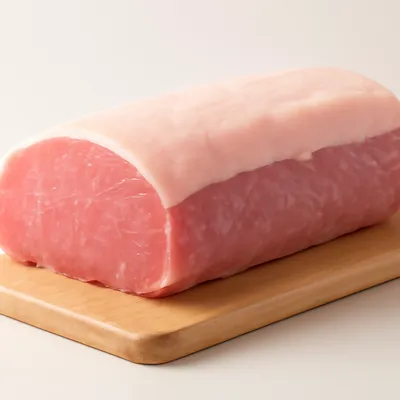
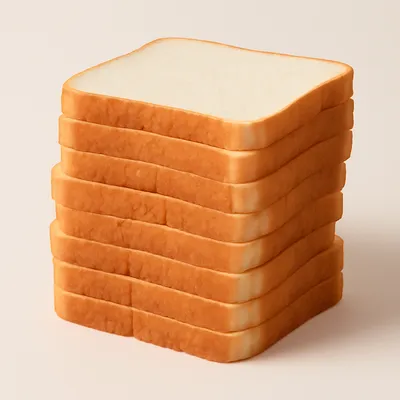

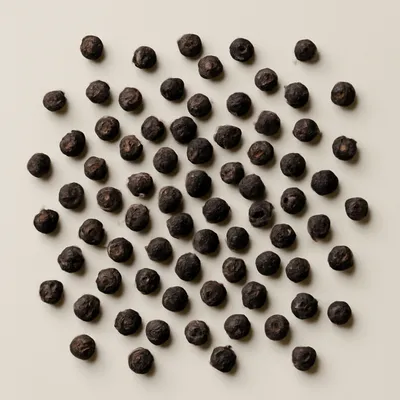

How it's made
4 steps · 30 min
- 110 min
Lightly season the pork slices with salt and pepper. Coat each slice first in flour, then in beaten egg, and finally in a generous layer of panko breadcrumbs.
Watch outPress the panko on firmly so it fully blankets the meat — bare patches blister and let oil into the pork.
- 210 min
Heat oil in a deep pan to 170°C (340°F). Gently lower the breaded pork into the hot oil and fry until golden brown and crispy, about 5 minutes per side.
Watch outThe oil is ready when a dropped crumb sizzles and rises straight back up; steady bubbling around the cutlet means it's cooking, a violent roar means too hot.
- 35 min
While the pork is frying, finely shred the cabbage and rinse it under cold water to keep it crisp. Drain well.
- 45 min
Remove the pork from the oil and let it drain on a wire rack or paper towels. Slice into strips and serve immediately with the shredded cabbage and a side of rice.
Watch outRest it on a rack, not a plate — sitting in its own steam softens the bottom crust in seconds.
Archive tool suggestions — not reviewed
These legacy suggestions have not been evidence-reviewed and are not presented as required tools.