

Kanto
Dorayaki: fluffy pancakes, sweet filling.
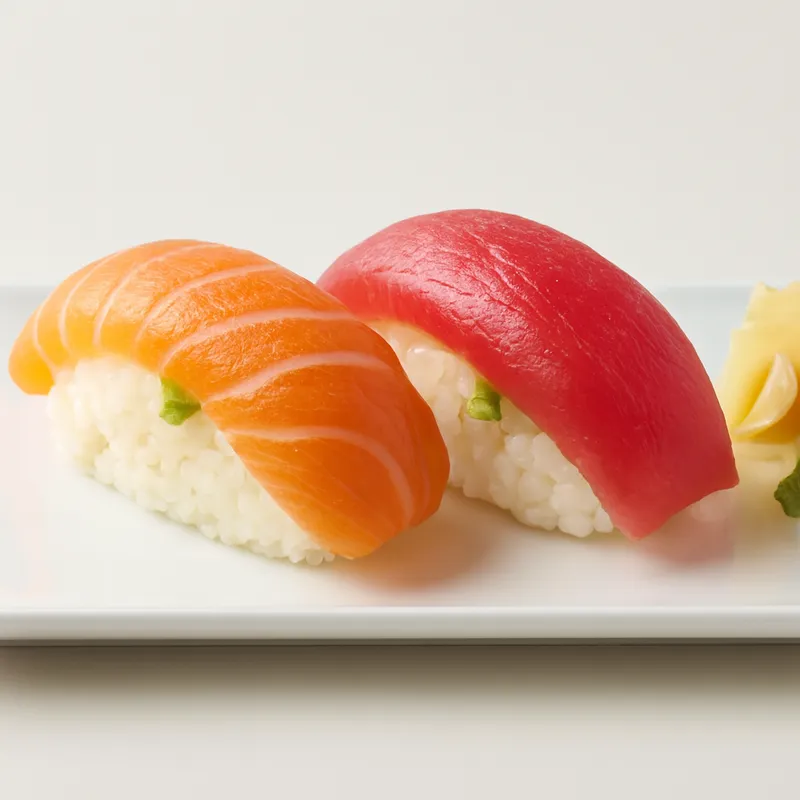
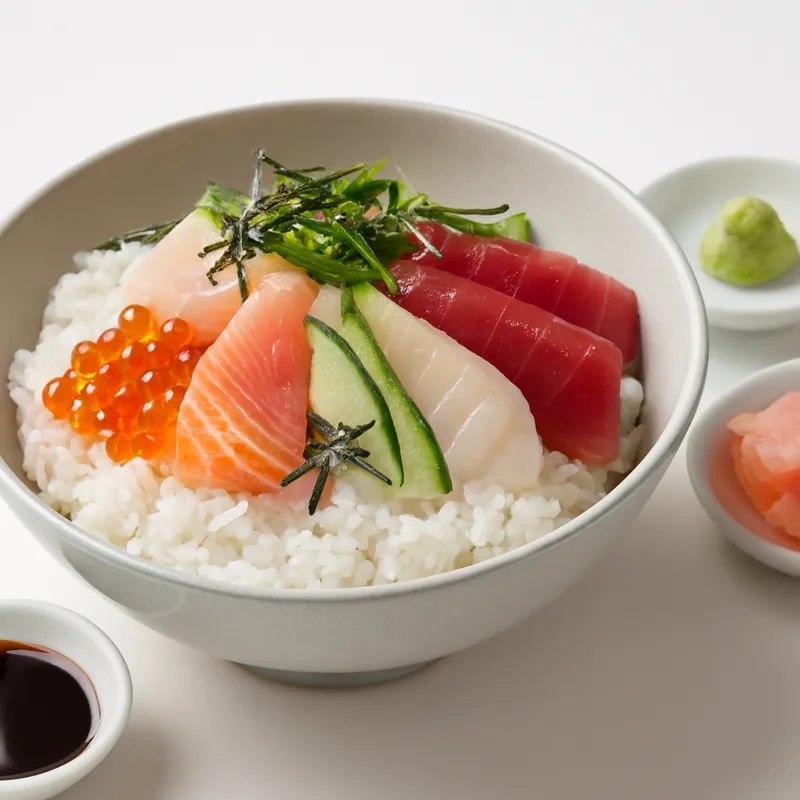
Edomae-zushi
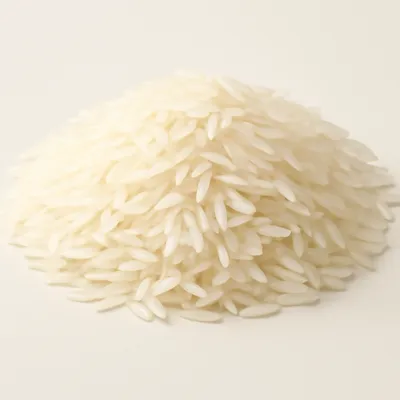
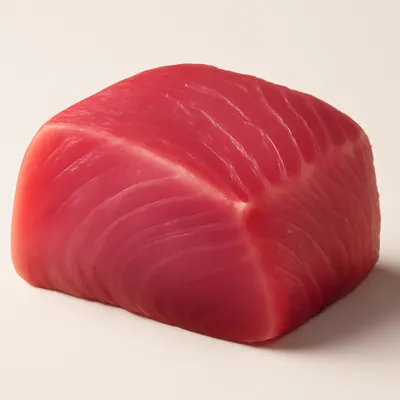
Edomae-zushi is a sushi-making technique using vinegared rice and fresh fish, epitomizing Kanto's Edo period culinary heritage.
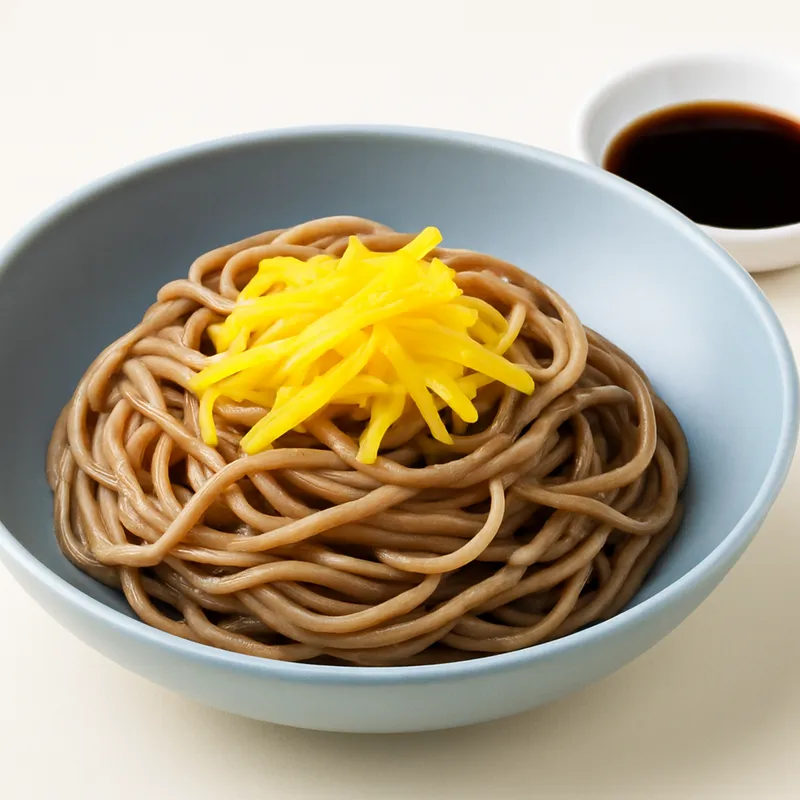
View page →Kanto cooking is the food of the Tokyo region in eastern Japan, and its flavors run dark, salty, and direct, built on strong dashi (stock) made with bonito flakes and dark soy sauce. Edomae sushi, the nigiri style invented in old Tokyo (Edo) as fast harbor food, is the region's great contribution: a slice of fish pressed over vinegared rice, traditionally using fish from Tokyo Bay. Soba, buckwheat noodles served cold with a strong soy dipping sauce or hot in broth, is the local noodle of choice, as opposed to the wheat udon favored in the west. Everyday comfort food includes gyudon, a bowl of thin-sliced beef and onion simmered in sweet soy over rice, and oden, a winter hotpot of fish cakes, daikon, and eggs stewed in soy-darkened broth. The seasoning here is unapologetically bold; Tokyo ramen, with its clear soy-based (shoyu) broth, is the regional benchmark.
The Palate
Start Here
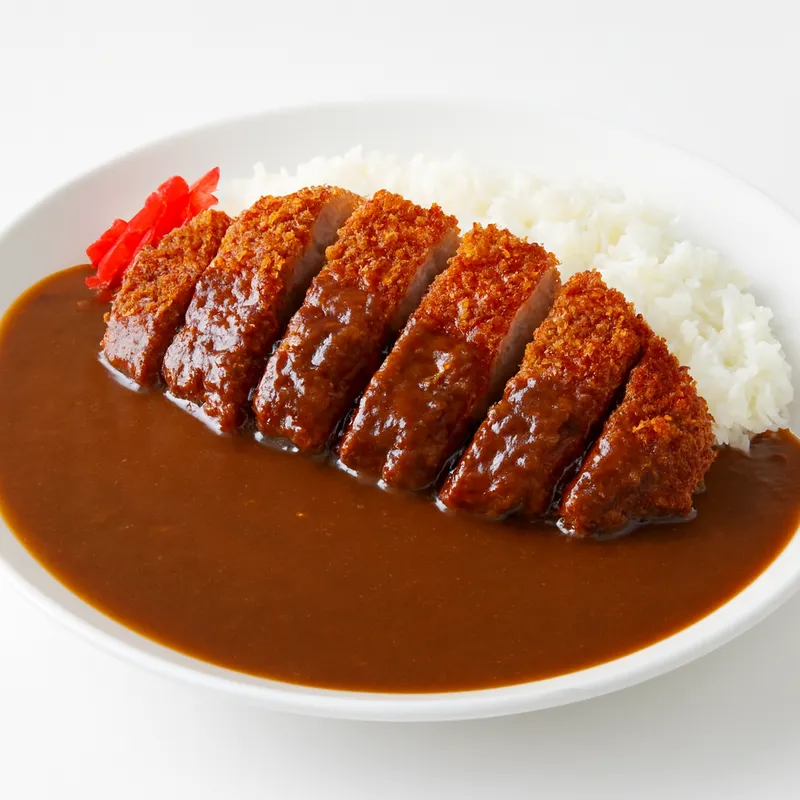
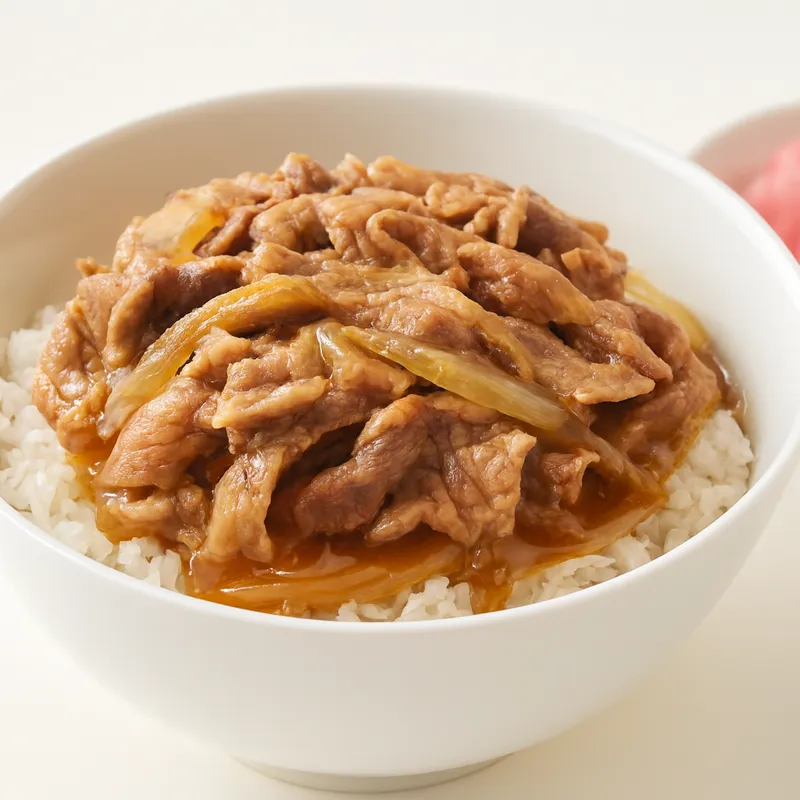
The sweet soy-dashi sauce perfectly complements the tender beef slices.
Why start here · This dish shows the easygoing, accessible nature of Kanto cuisine.
Fluffy honey pancakes encase a luscious sweet red bean paste.
Why start here · Dorayaki captures the playful sweetness that is a hallmark of Kanto's desserts.
An assortment of sashimi over vinegared rice.
Why start here · This dish showcases the fresh seafood and artistic presentation typical of Kanto.
The Pantry






See all 112 ingredients›












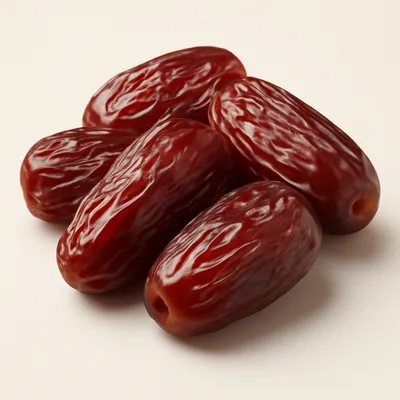
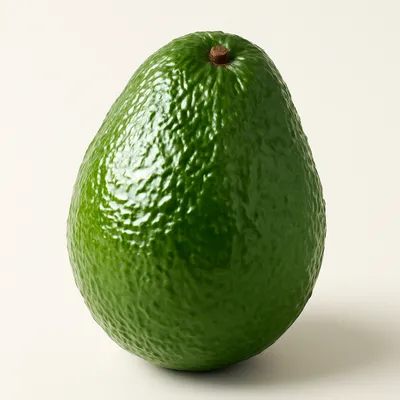
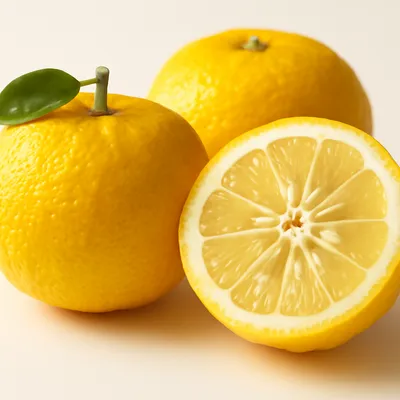
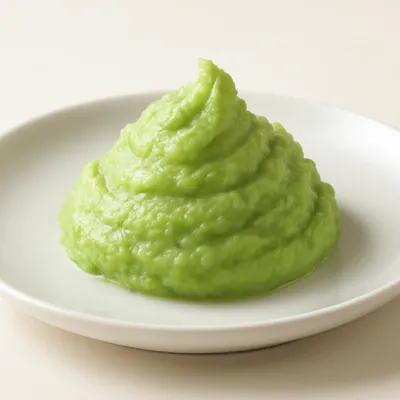








Dairy & Fats





How They Cook
Techniques that define this cuisine
Kindred Kitchens
Cuisines built on the same signature ingredients
Other regions
Siblings within Japanese — each its own tradition.
Signature Dishes (32)
Browse all 32 dishes›
Starters
2
Mains
27