


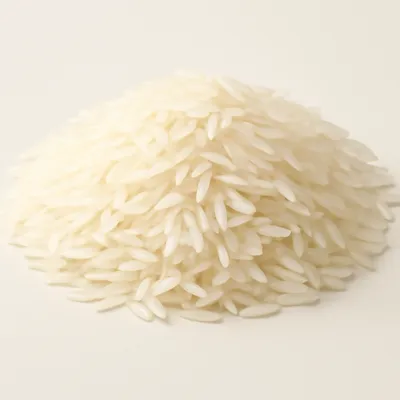
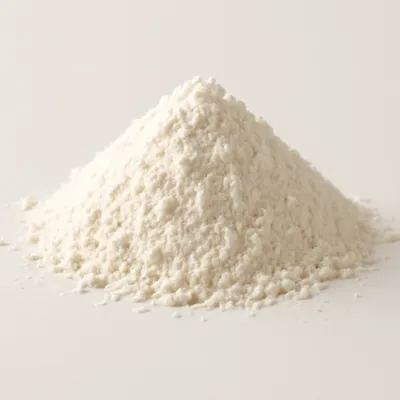
Curry came to Japan via the British Royal Navy in the 1870s — Britain had Anglicized Indian curry into a flour-thickened stew for shipboard cooking, and Meiji Japan adopted it for the Imperial Navy as a Friday meal to fight beriberi (Western diet supplied B vitamins missing from white rice). House Foods' predecessor released Japan's first instant curry as a powder in 1926, and the solid roux block followed in 1950; the supermarket box (Vermont Curry, 1963; Java Curry, 1968) made it a national home dinner.
A warm hug in a bowl, this curry is comfort food that balances sweetness and richness with every bite.
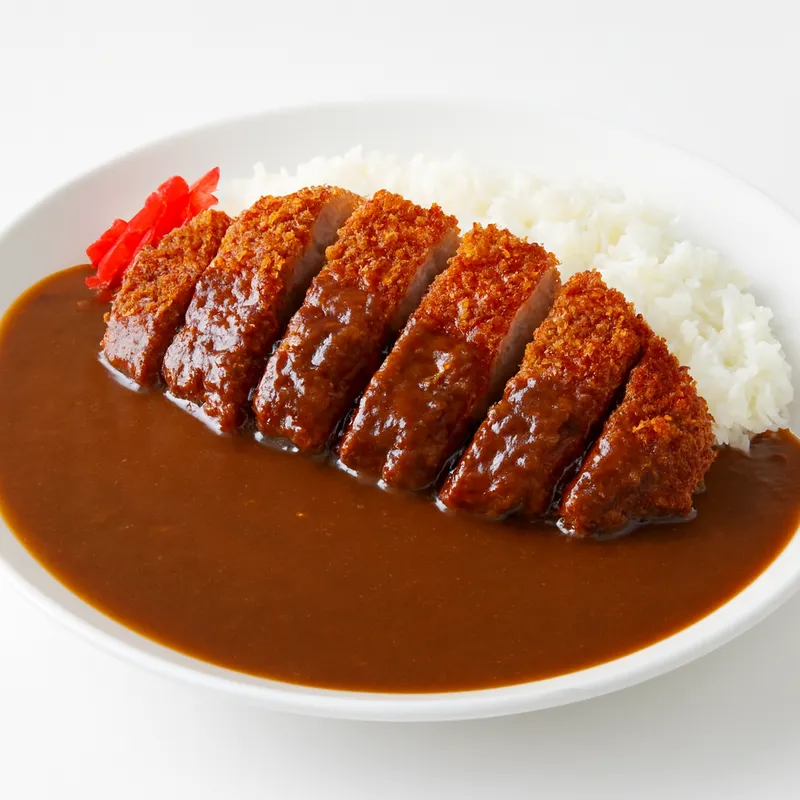
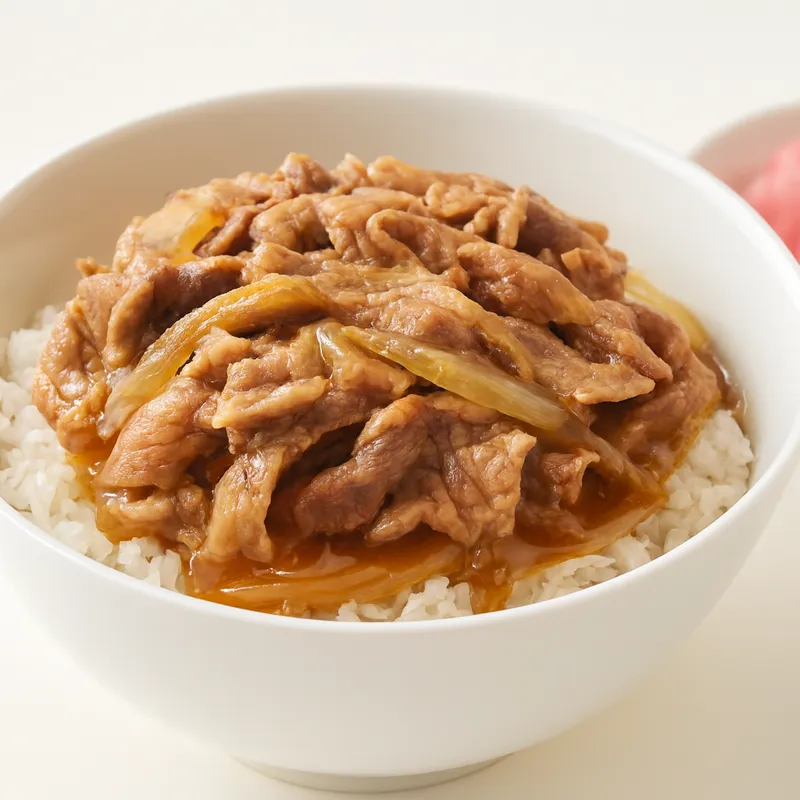
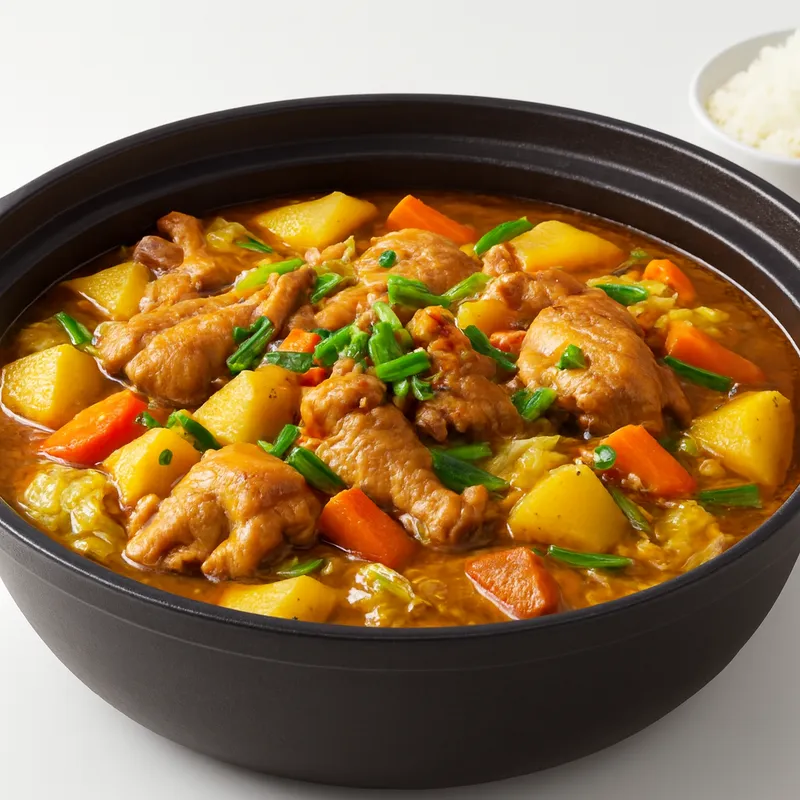
Thick brown gravy, almost stew-like, poured over a mound of short-grain rice — half the plate curry, half rice. Carrot, potato, onion in big chunks; beef or chicken or katsu on top. Mild and sweet by Indian or Thai standards, with a savory backbone closer to demi-glace than masala. Fukujinzuke pickle on the side. Eat with a spoon, mixing into the rice as you go.
The roux block is the pivot. It's a pre-made wheat-flour-and-fat brick with curry powder, sugar, fruit (apple, mango), and dairy solids — adding it to a vegetable-and-meat stew at the end thickens, sweetens, and seasons in one move. Apple is structural: pectin and fructose round the curry-powder edges into the characteristic sweet-savory profile. Long simmering after adding roux ruins the starch; stir in at the end and serve.
Variations
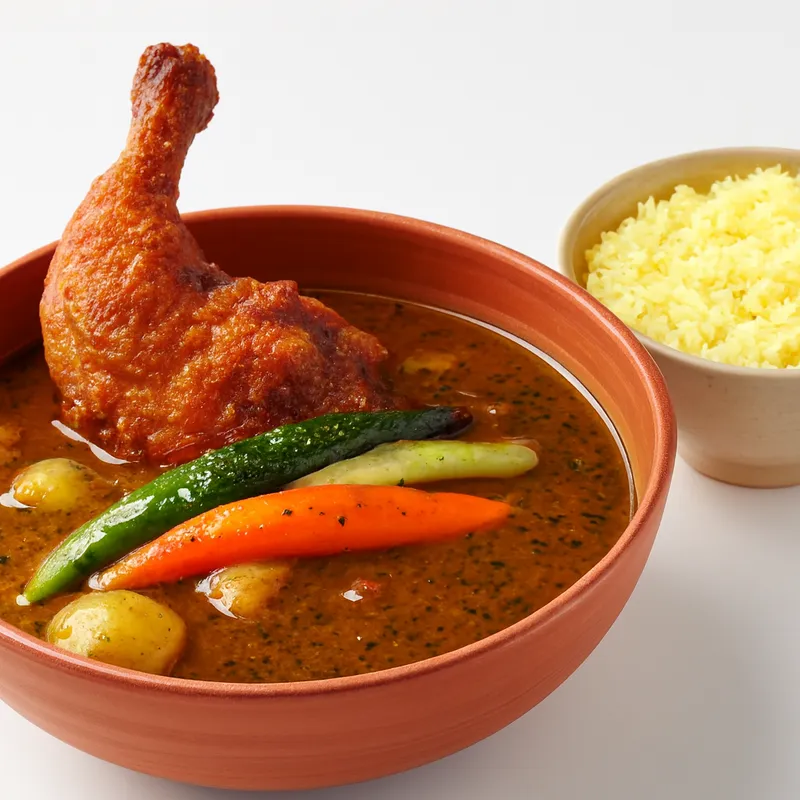
Hokkaido cream-style (with milk); soup curry (Sapporo, watery); katsu-curry (with breaded cutlet); Yokosuka Navy curry is the original; CoCoCurry chain set the modern home benchmark.
On the Palate
Where Japanese Curry sits in the Japanese flavor cloud
Ingredients



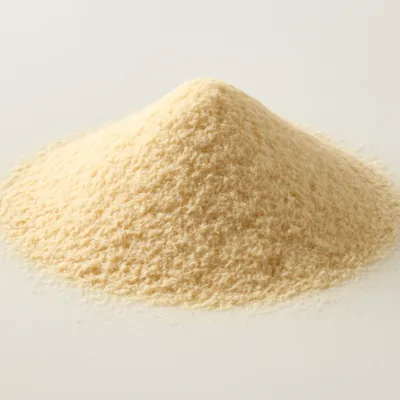
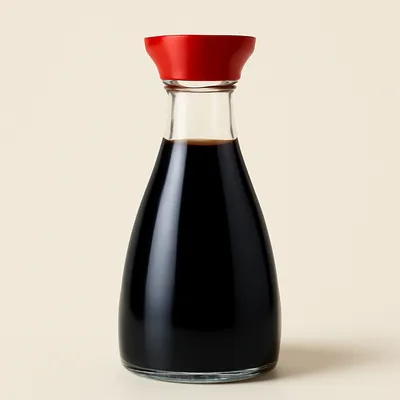



How it's made
5 steps · 47 min
- 110 min
Heat a large pot over medium heat and melt butter until it begins to foam. Add chopped onions and sauté until they turn translucent and start to caramelize, releasing their sweetness.
Watch outCook the onions until they slump and turn golden and sweet-smelling, not just clear — that's the flavor base.
- 25 min
Add diced carrots and potatoes to the pot, stirring occasionally, until the edges begin to soften. The vegetables should start to glisten as they absorb the butter.
- 32 min
Stir in flour to coat the vegetables evenly, cooking briefly to eliminate the raw taste. The mixture should form a light roux, slightly thickening as you stir.
Watch outStir the flour in until it smells nutty rather than raw and the mix looks like a pale paste coating the vegetables.
- 420 min
Pour in dashi or water, stirring constantly to prevent lumps. Add soy sauce and a touch of sugar, then simmer until the vegetables are tender and the curry thickens to a velvety consistency.
Watch outPour the liquid in slowly while stirring nonstop so no lumps form; the sauce should thicken to a smooth, coating gloss.
- 510 min
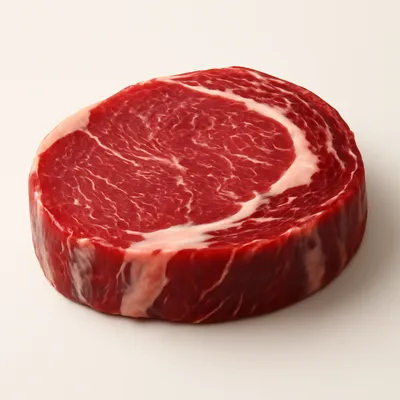
In a separate pan, brown your choice of meat, such as beef or pork, until the exterior is golden. Add to the curry and allow to simmer briefly, melding flavors.
Watch outSear the meat until the surface is properly golden before it joins the pot — that crust is where the savory depth comes from.
Archive tool suggestions — not reviewed
These legacy suggestions have not been evidence-reviewed and are not presented as required tools.