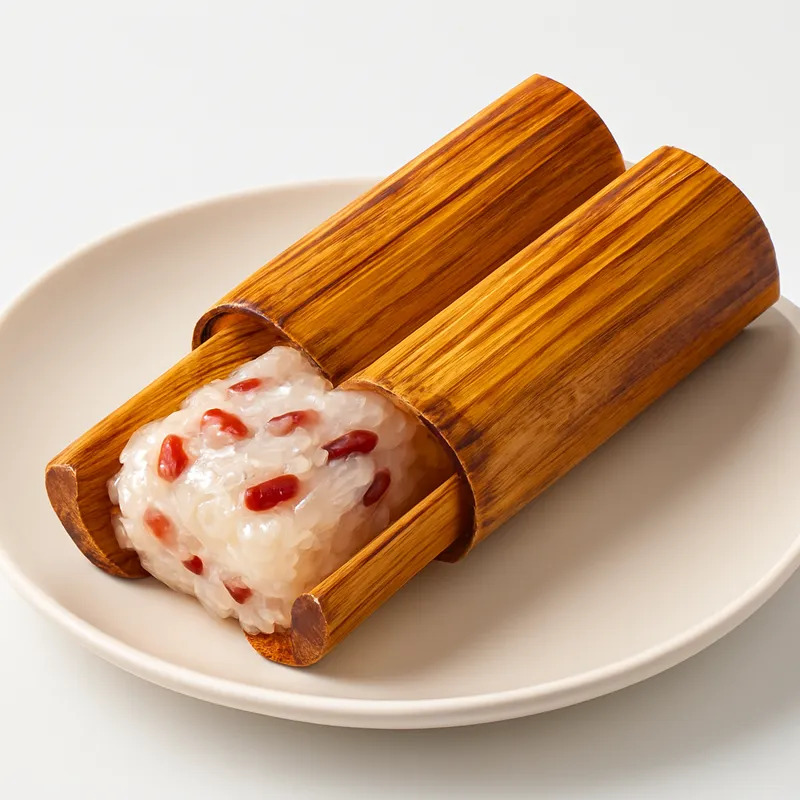
Steamed cylinders of rice flour and coconut.



A Tamil and Sinhalese staple of southern India and Sri Lanka, traceable in Tamil cookery for several centuries. The bamboo or hollow-cylinder steamer (pittu kuzhal or pittu bambuwa) is the defining tool — the dish exists in the form it does because of that vessel. Pittu spread with Tamil migration through Sri Lanka, the Maldives, and Malaysia, where it remains a Tamil-Indian-Malaysian breakfast staple.
Steamed rice-flour-and-coconut log built around its tool — the bamboo or hollow-cylinder pittu kuzhal. Tamil cookery has carried it for centuries; the dish only exists because of that vessel. The fist test: dough must clump when squeezed, fall apart when nudged.
Cylinders of steamed rice flour and grated coconut, layered alternately so the finished log shows pale-and-paler bands. Crumbly, dry, slightly sweet from the fresh coconut. Eaten by breaking off pieces and pouring thin coconut milk over them at the table, sometimes with a fish curry or a kiri hodi (white coconut curry). Without the milk pour, pittu reads as too dry — the moisture comes at the table, not the steamer.
The flour-to-coconut ratio and the moisture content are everything. The mix is dampened just enough to clump when squeezed in the fist but fall apart when nudged — too wet and it steams into a paste, too dry and the cylinder collapses when slid out. Steaming is short, 8–10 minutes; longer overcooks the coconut and turns the cylinder soggy from its own released moisture.
Variations
Rice-flour pittu (the standard); kurakkan pittu (finger millet, darker, nuttier); ulundu pittu adds urad dal for a denser bite; Malaysian Tamil putu mayam is the closer cousin in Penang and KL.
On the Palate
Where Pittu sits in the Sri Lankan flavor cloud
Get the moisture right: the mix must clump when squeezed but crumble when nudged, because too wet steams into paste and too dry collapses when you slide the cylinder out.
Ingredients


How it's made
5 steps · 27 min
- 15 min
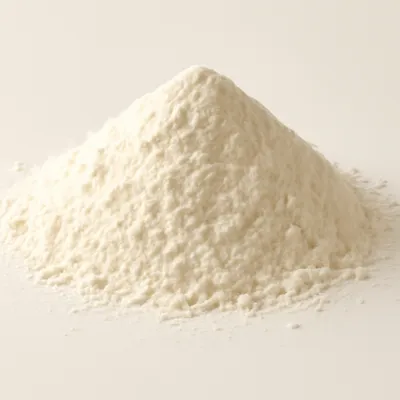
In a large mixing bowl, gradually add hot water to the rice flour, stirring continuously until it resembles damp sand. The mixture should hold together when pressed but crumble easily.
Watch outThe mix should just hold a shape when you fist it, then break apart at a touch — that crumble is the whole texture.
- 22 min
Sprinkle a pinch of salt over the rice mixture and gently fold in to distribute evenly. The salt should enhance the flavor without overpowering the subtlety of the rice.
- 35 min
In the puttu kutti vessel, fill the lower section with water and bring it to a gentle boil. The steam should rise steadily without bubbling over.
- 45 min
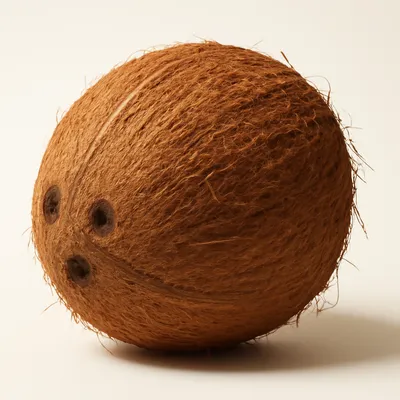
Layer the rice mixture into the upper section of the puttu kutti, alternating with generous layers of grated coconut. Start and end with coconut for a fragrant, sweet aroma.
Watch outLayer loosely, coconut on the bottom and top, so the cylinder stays airy and fragrant end to end.
- 510 min
Place the perforated lid on the upper section and fit it onto the lower section. Steam the puttu for about 10 minutes, or until you can smell the coconut aroma and the rice is soft to the touch.
Watch outThe coconut aroma coming through the lid is your timer; the rice should feel soft, not wet.
Archive tool suggestions — not reviewed
These legacy suggestions have not been evidence-reviewed and are not presented as required tools.