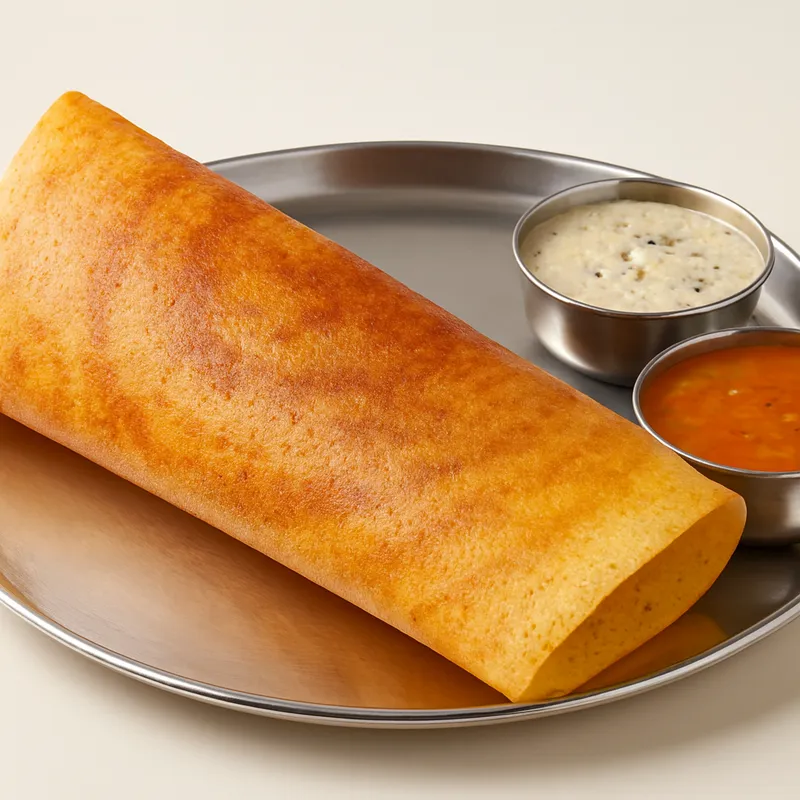
Fluffy and sweet Goan rice cakes, fermented with coconut toddy (the fermented sap of the coconut palm) or yeast, traditionally served with curries.
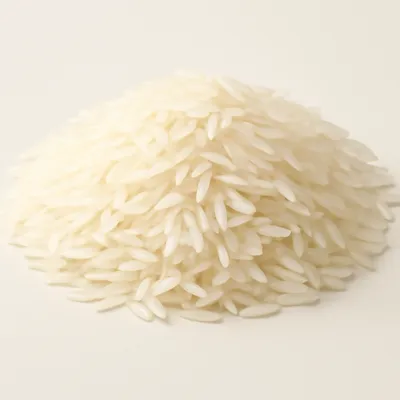
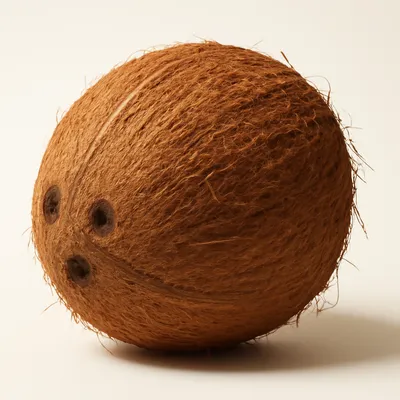


Goan Catholic festival bread tied to the 16th-century Portuguese colonization and the Christian conversion of coastal castes. Coconut toddy — the lightly fermented sap of the coconut palm — was the local yeast equivalent before commercial yeast existed. Sannas became the bread for Sunday curries and weddings, especially paired with sorpotel, because both keep well overnight and the toddy was tapped fresh on Saturday mornings.
Goan Catholic festival bread tied to 16th-century Portuguese conversion of coastal castes. Coconut toddy is the load-bearing detail — fresh sap carries wild yeasts and natural sugar that commercial yeast can't replicate. Without toddy the crumb is flat; any Goan grandmother spots it.
Small white domes the size of a large muffin top — open-pored, slightly sweet, faintly tangy from overnight ferment. Eaten torn, dipped into sorpotel or vindaloo gravy; the sponge soaks up the dark spiced oil and that's the point. Should bounce back when pressed; dense or gummy means the toddy was old or the second rise was skipped.
Toddy is the load-bearing detail. Fresh coconut toddy contains live wild yeasts plus a touch of natural sugar — it leavens the soaked-rice batter overnight in a way that commercial yeast can't replicate, giving sannas their faint tang and bigger irregular crumb. Bakers without toddy use yeast plus a spoon of feni or a pinch of sugar; it's edible but flatter, and any Goan grandmother will tell you straight away.
Variations
Mangalorean sannas are slightly sweeter and paired with khatti dali; Goan Christian sannas accompany sorpotel and vindaloo; East Indian (Vasai-Bassein) hand-bread version runs denser; modern Bangalore Catholic kitchens substitute yeast and sugar with feni, which old cooks tolerate but don't recommend.
On the Palate
Where Sannas sits in the Indian flavor cloud
Ingredients



How it's made
5 steps · 8 hours
- 186 min
Soak rice in water and grind to a fine batter.
- 251 min
Mix with coconut water, yeast, sugar, and let it ferment until frothy.
Watch outFerment until the batter is visibly frothy and smells faintly sour-sweet — that live rise is what gives sannas their tang and open crumb; flat and odorless means it's not ready.
- 3171 min
Pour batter into small molds and steam until set and fluffy.
Watch outSteam until a poke springs back and the surface is dry to the touch — open the lid early and the half-set crumb sinks into a dense disc.
- 486 min
Cool before unmolding and serving.
- 586 min
Traditionally paired with spicy curries or sweetened coconut milk.
Archive tool suggestions — not reviewed
These legacy suggestions have not been evidence-reviewed and are not presented as required tools.