A gentle Chettinad sweet. Tiny dumplings of ground rice and urad dal are fried only until set and pale — never browned — then bathed in warm, cardamom-scented coconut milk until they drink it in and turn soft and pillowy. It is the milk-steeped, sweet member of the paniyaram family, set out at the close of a Chettinad feast and served to new mothers as nourishment.



Paal paniyaram is an heirloom sweet of the Chettinad table, set out at weddings and household celebrations. Its most distinctive craft is the shaping: an older Chettiar cook would take a cleaned coconut shell — the kind with three natural eyes — pierce one eye open, fill the shell with batter and let it fall in an even thread into hot oil, forming uniform little balls; today a spoon or the fingers stand in for the shell. The fried white dumplings are then steeped in sweetened coconut milk. Because coconut milk and urad dal are both regarded as strengthening, the dish is also fed to women after childbirth. It sits apart from its savoury kin — the pit-cooked kuzhi paniyaram and the plainly fried vellai paniyaram — by that bath of sweet milk.
Each ball is spongy and light, its pale crumb saturated with sweet coconut milk that runs at the first bite. The flavour is mild and milky, cardamom drifting over the top, with a faint savoury note from the urad dal grounding the sweetness.
Grinding raw rice with urad dal beats air into the batter, and the dal's proteins and mucilage hold those bubbles, so the fried balls set with a light, porous crumb — the same physics that lifts an idli. They are fried at a moderate temperature and pulled while still white: the inside sets as starch gelatinises and proteins coagulate, and trapped steam expands the crumb, but the fry is stopped before Maillard browning, leaving a tender, open shell rather than a hard crust — crucial, because the ball has to soak. A brief dip in hot water leaches surface oil and opens the sponge. In the sweetened coconut milk, warmed but never hard-boiled, capillary action wicks the liquid into the crumb's air pockets so the dumpling swells and softens; the milk is kept off a rolling boil because prolonged high heat with sugar destabilises coconut's emulsion and proteins into a curdled grain.
Variations
Cardamom is sometimes joined or replaced by a pinch of saffron, and a little boiled cow's milk is often blended into the coconut milk for body. Palm jaggery can stand in for sugar, tinting the bath amber. The poached cousin, paal kozhukattai, skips frying altogether — plain rice-flour balls are simmered straight in the sweet coconut milk.
On the Palate
Where Paal Paniyaram sits in the Indian flavor cloud
Ingredients
Serves 4

How it's made
7 steps · 15 min
- 1180 min
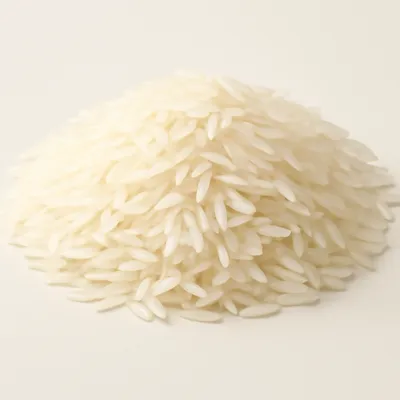
Soak raw rice and whole urad dal together (equal parts) for about 3 hours, then drain.
- 210 min
Grind with a little ice-cold water into a smooth, thick yet fluffy batter, like idli batter; beat well to aerate and add a pinch of salt.
Watch outBeat the batter well to aerate it — those trapped bubbles are what set the fried balls light and porous so they'll drink up the milk.
- 38 min
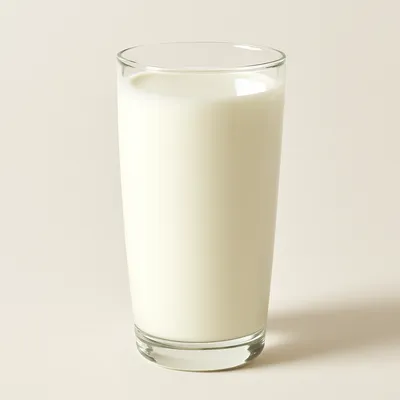
Warm the coconut milk (thinned first-press) with sugar and cardamom until the sugar dissolves; do not let it boil hard, and set aside warm.
- 45 min
Heat oil for deep-frying to a moderate heat — hot but not smoking.
- 512 min
Drop tiny dollops of batter into the oil (traditionally extruded through a coconut-shell mould, or use a spoon), frying in batches on medium heat only until set and pale, without letting them brown.
Watch outFry on medium only until set and pale — stop before any browning; a hard browned crust won't soak up the sweet coconut milk.
- 62 min
Lift out and dip the balls in hot water for a few seconds to draw off oil, then drain.
- 715 min
Slip the balls into the warm sweetened coconut milk and let them soak 10–15 minutes until swollen and saturated; serve warm or lightly chilled.
Watch outKeep the coconut milk just warm, never at a hard boil — boiled, it splits and turns oily and grainy.


